
Quick answer
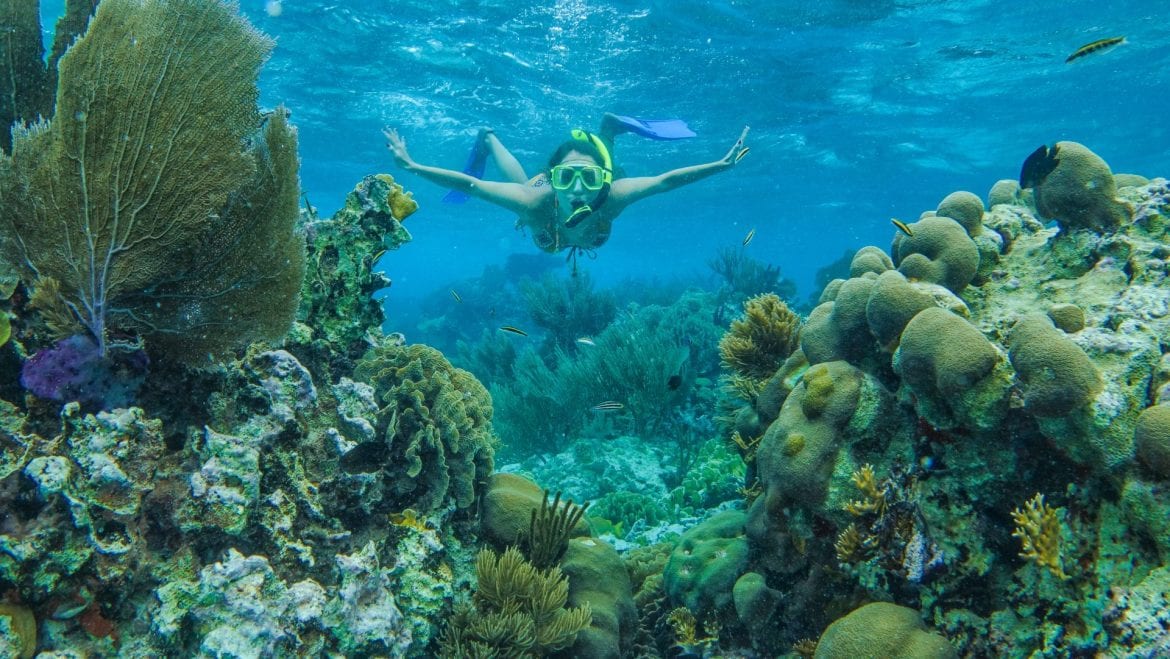
Ambergris Caye and Caye Caulker offer the shortest boat rides to Hol Chan Marine Reserve and Shark Ray Alley, with trips under 20 minutes. Hopkins and Placencia on the mainland provide direct access to South Water Caye Marine Reserve and Gladden Spit, though transit times run 30 to 60 minutes. Turneffe and Lighthouse Atolls require overnight liveaboard stays or dedicated day charters from San Pedro, as no permanent accommodation exists on-site.
The Belize Barrier Reef system includes over 400 cayes, three offshore atolls, and seven marine reserves, each managed under separate conservation mandates enforced by the Belize Audubon Society and Fisheries Department. No single base town grants equal access to all zones—northern island communities serve Hol Chan and Mexico Rocks, southern mainland villages connect to Laughing Bird Caye and Silk Cayes, and the offshore atolls remain reachable only by extended charter. Ambergris Caye places snorkelers within a 10- to 25-minute boat ride of Hol Chan Marine Reserve, Mexico Rocks, and the Bacalar Chico zone. San Pedro town hosts the largest concentration of dive shops and water-taxi operators, with morning departures between 08:00 and 09:30 capturing calmer surface conditions before midday wind chop arrives. Caye Caulker sits five miles south and shares access to the same northern reserves, though its smaller harbor means fewer daily departures and occasional trip consolidations during low season. Both islands require a 15-minute puddle-jumper flight or 90-minute water taxi from Belize City. Hopkins and Placencia anchor the southern mainland corridor, where the reef lies farther offshore but marine park density increases. South Water Caye Marine Reserve, Glover's Reef Atoll, and Gladden Spit all fall within this region's charter range, with boat runs typically launching before 08:00 to reach outer sites by mid-morning. Hopkins offers a quieter Garifuna village atmosphere and direct road access from the Southern Highway, while Placencia's longer peninsula holds more lodging tiers and a paved airstrip for commuter flights. Snorkeling Belize's southern barrier reef from these bases requires factoring in longer transit windows, but the tradeoff delivers access to less-trafficked sites and pelagic encounters rare in the northern reserves. Turneffe Atoll and Lighthouse Reef lie 25 and 50 miles offshore, respectively. Day charters depart San Pedro and require four to six hours of round-trip navigation, leaving limited in-water time. Multi-day liveaboard vessels and the handful of private atoll lodges remain the only practical options for extended snorkeling at these outer formations, where the reef wall descends to abyssal depths and nutrient upwellings draw larger species year-round.
“Northern island communities serve Hol Chan and Mexico Rocks, southern mainland villages connect to Laughing Bird Caye and Silk Cayes, and the offshore atolls remain reachable only by extended charter.”
Where To Stay In Belize For Snorkeling: Getting To Each Base Area
The Belize Barrier Reef runs offshore along the Belize District, Stann Creek, and Toledo Districts, so every base area is reached first through Belize City's Philip S. W. Goldson International Airport, then onward by water taxi, domestic flight, or road depending on which coastal town or caye you're headed to.
San Pedro Belize Express or Ocean Ferry Belize, Belize City Marine Terminal to San Pedro (Ambergris Caye)
Belize City Marine Terminal to Caye Caulker
Southern Highway, Belize City to Placencia
Tropic Air or Maya Island Air, Belize City (municipal or international airstrip) to Placencia Airstrip
Southern Highway, Belize City to Punta Gorda, then local boat charter to southern cayes near Toledo/Stann Creek
Where To Stay In Belize For Snorkeling: Comparing The Main Base Areas
Snorkelers choosing a base in Belize are really choosing between distance to the reef and the pace of the town around them: Ambergris Caye and Caye Caulker sit closest to the barrier reef, while Placencia and Toledo trade proximity for a quieter, more southern setting.
|
Top pick Ambergris Caye (San Pedro) Closest reef access, busiest town |
Caye Caulker Close reef access, low-key island | Placencia / Toledo (southern cayes) Southern base, farther reef runs | |
|---|---|---|---|
| Proximity to reef | Barrier reef lies roughly 0.3 miles offshore at points near San Pedro | Reef sits a few miles east of the island, similarly close as San Pedro | Reef and southern cayes are farther offshore, requiring longer open-water crossings |
| Typical boat time to snorkel sites | 10-20 minutes to sites like Hol Chan Marine Reserve | 10-20 minutes to nearby reef cuts and Caye Caulker Marine Reserve | 30-60 minutes to reach southern reef and atoll sites |
| Character of the base | Golf-cart town with a full range of restaurants, bars, and dive shops | Smaller, car-free island with a slower, backpacker-friendly feel | Fishing-village and coastal-town atmosphere with fewer visitors overall |
| Best suited for | Travelers wanting the shortest boat rides and the most tour operator choice | Travelers wanting reef access without San Pedro's density and pace | Travelers combining snorkeling with Toledo culture, jungle trips, or Placencia's beach setting |
Verdict: Choose Ambergris Caye or Caye Caulker for the shortest boat rides to the reef, and Placencia or Toledo if a quieter southern base matters more than minimizing travel time to snorkel sites.
Best Time To Stay In Belize For Snorkeling
Late April through early June offers the most reliable pairing of calm seas and clear water in Belize, before summer rains raise runoff and cloud cover. Within any given day, arriving between 08:00 and 11:00 keeps conditions calmest before afternoon winds build.
Late Nov to May (dry season)
Higher, especially Feb-MarDry, 75-85°F, lower humidity
The dry season brings the flattest water and best underwater visibility of the year, making it the strongest window for reef-based stays.
June to November (rainy season)
Lower outside holidaysHumid, 80-90°F, frequent showers
Rain and runoff can cloud inshore water near river mouths, though outer reef sites often stay clearer than mainland-facing spots.
August to October (peak hurricane risk)
Lowest of the yearWarm, unsettled, storm risk
This stretch carries the highest chance of tropical storm disruption, so operators and lodges may cancel trips on short notice.
Daily 08:00-11:00
Fewer boats before midday— (varies by season)
Morning light angle improves visibility and winds are typically calmer than afternoon, regardless of season, which favors early check-ins near the water.
Weekday mornings
Thinner crowds than weekends— (varies by season)
Fewer day-trip boats operate on weekdays, so a base near the reef feels less trafficked than the same spot on a Saturday.
Verdict: Late April to early June, with mornings between 08:00 and 11:00, gives the calmest, clearest combination for a reef-focused stay.
Where To Stay In Belize For Snorkeling: Reef Sites Near Each Base
A stay near the barrier reef pairs naturally with a short boat trip to one or two named reef sites, since bases like San Pedro, Caye Caulker, and Placencia each sit close to a distinct cluster of snorkel spots.
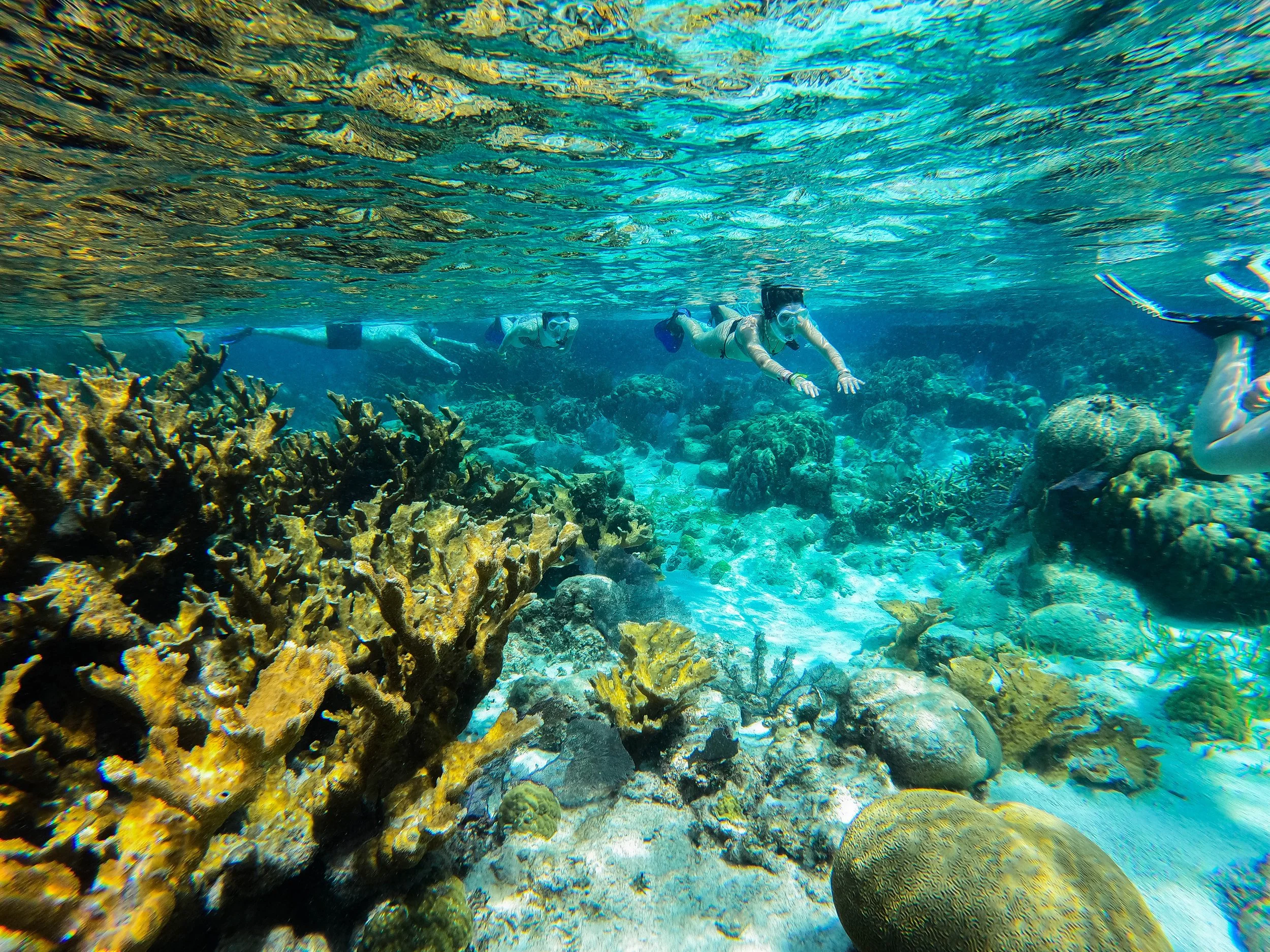
Hol Chan Marine Reserve
A channel cut through the reef with defined snorkel zones, a natural add-on for bases in the San Pedro/Caye Caulker corridor since it's the closest established reserve to both.
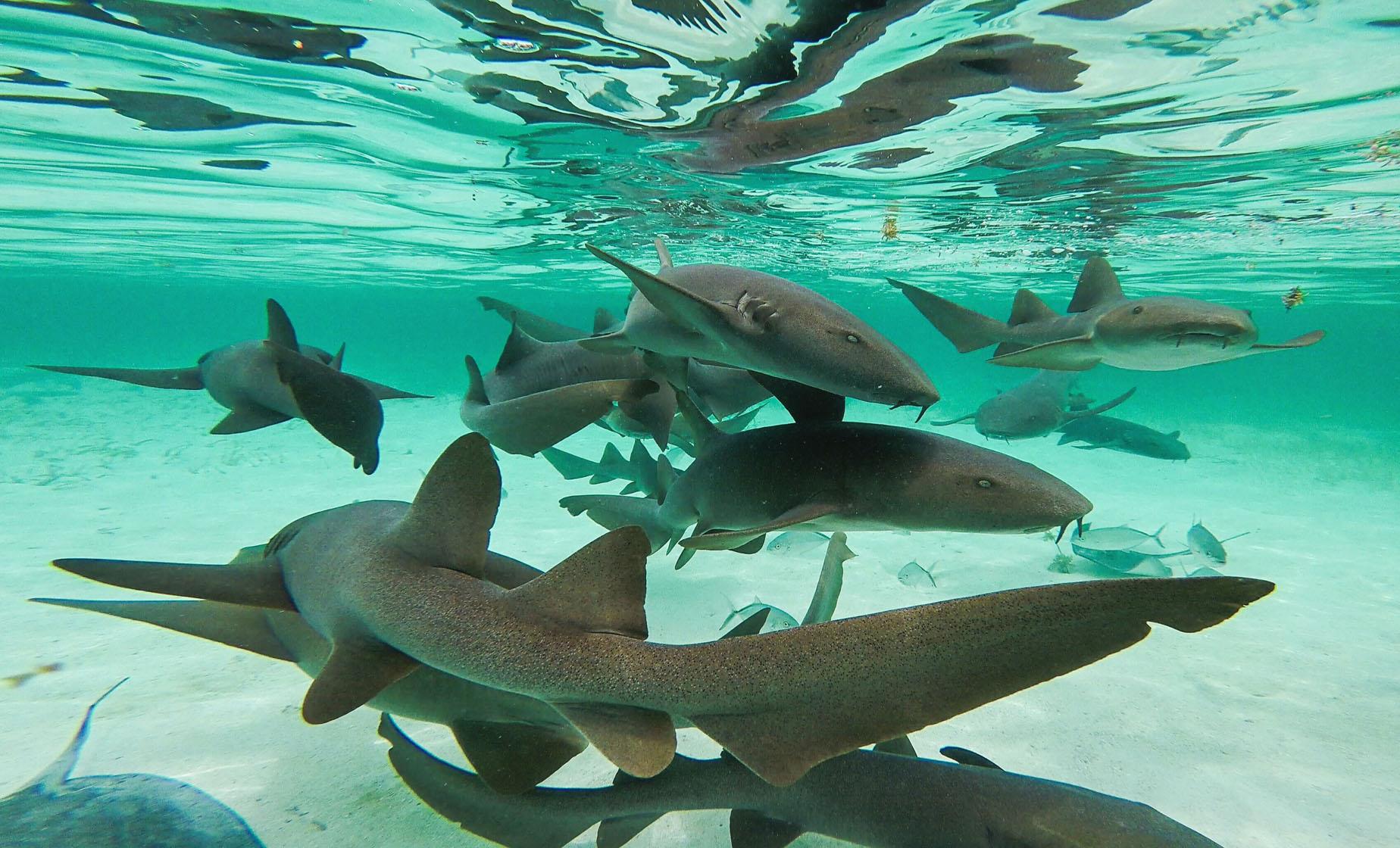
Shark Ray Alley
Nurse sharks and southern stingrays gather in shallow water here, so operators typically combine it with Hol Chan in one outing rather than a separate trip.
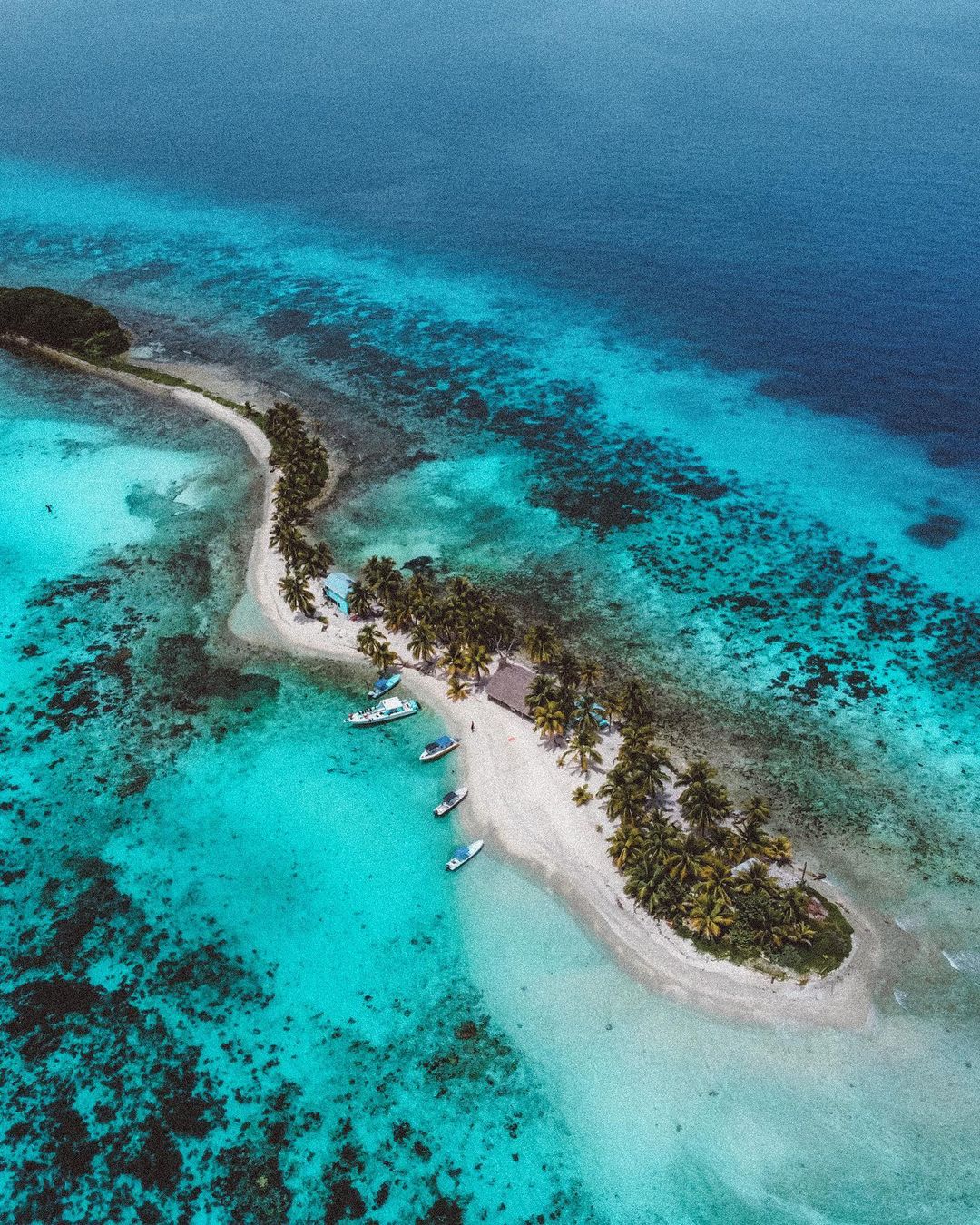
Laughing Bird Caye National Park
A narrow caye with drop-offs close to shore, this is the standard pairing for a Placencia-based stay rather than the San Pedro sites further north.
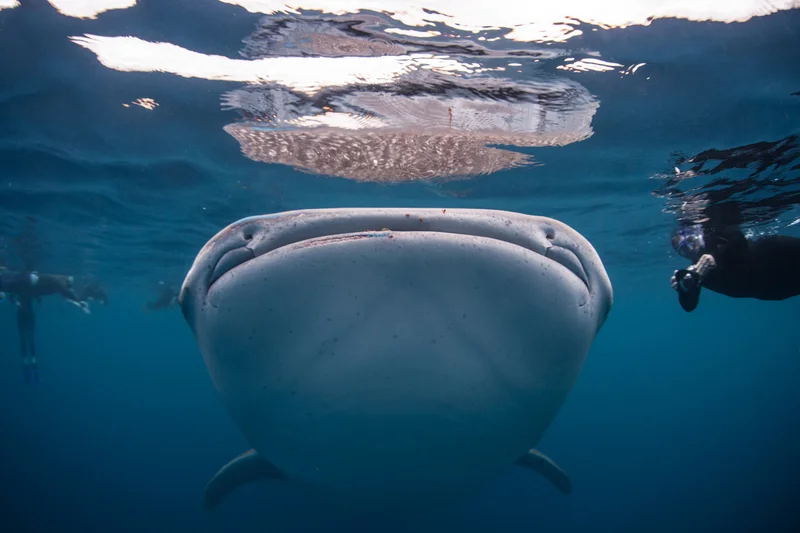
Silk Cayes (Gladden Spit and Silk Cayes Marine Reserve)
Known for seasonal whale shark activity timed to full moons in spring, this site suits a Placencia base planning around that specific window.
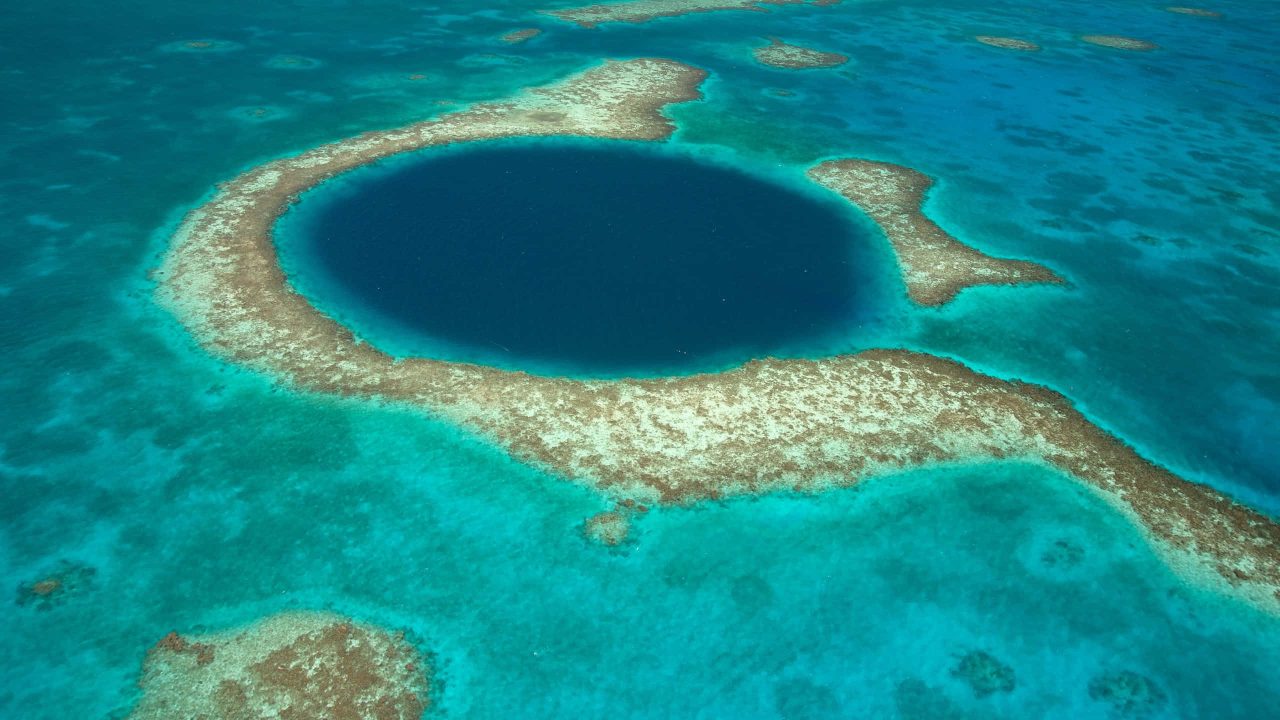
Great Blue Hole (Lighthouse Reef Atoll)
A longer day trip rather than a quick add-on, best suited to travelers based in the northern cayes who can allot a full day for the crossing.
Marine Park Fees Near Where You Stay In Belize
There is no single gate fee for the Belize Barrier Reef. Instead, each marine reserve or national park within the system charges its own conservation fee, collected on-site or through your tour operator.
A typical adult snorkeler pays a per-park conservation fee of roughly 10 USD at sites like Hol Chan, and the main variable is which specific marine reserve or park your base area gives you access to.
Where To Stay In Belize For Snorkeling: Reef Etiquette Rules
The Belize Barrier Reef is a fragile UNESCO World Heritage Site where visitor conduct directly affects coral health and marine life. Following these rules protects the reef for future snorkelers.
Do
- Use reef-safe mineral sunscreen (zinc oxide or titanium dioxide only)
- Keep a safe distance from coral—maintain at least 3 feet clearance
- Report any marine life injuries or coral damage to your guide
- Secure all loose items before entering the water
- Respect marine reserve boundaries and no-anchor zones established by park authorities
Don't
- Touch, stand on, or grab coral—even dead-looking formations support living organisms
- Feed fish or interfere with natural marine behavior
- Wear chemical sunscreens containing oxybenzone or octinoxate—they bleach coral
- Anchor boats directly on coral reefs—use mooring buoys or sand patches
- Chase, corner, or harass sea turtles, rays, or other wildlife
Before You Book Where To Stay In Belize For Snorkeling
Reef-access logistics vary sharply by base town and season, so confirm these details before you commit to accommodation.
-
Reserve water taxis or island transfers early — High-season boats to Caye Caulker and Ambergris Caye fill weeks ahead, especially December through March.
-
Verify marine park fee cash requirements — Most reserves charge 5–10 USD per person in Belize dollars or US cash; cards are rarely accepted offshore.
-
Check snorkel gear rental availability at your base — Caye Caulker and Placencia have plentiful shops, but smaller cayes and mainland coastal towns may not.
-
Confirm boat-tour advance booking policies — Popular operators on Ambergris Caye and South Water Caye often require deposits 7–14 days before departure.
-
Carry photo ID for protected-area permits — Hol Chan, Bacalar Chico, and Glover's Reef reserves require passport or driver's license at ranger stations.
-
Download offline maps of your base area — Cell coverage is patchy on outer cayes; GPS works, but app downloads fail once you leave Belize City or Dangriga.
Check availability
FAQ: Where to Stay in Belize for Snorkeling
Everything you need to know about where to stay in belize for snorkeling