2 hr 30 min
Blue Hole & Turneffe Islands Helicopter Adventure
- Private experience
- Personal attention
- Premium amenities
- Free cancellation
Belize Blue Hole Snorkeling Tours — Reef, Cave & Helicopter Adventures
Descend into limestone caverns, circle the world's largest marine sinkhole from the air
Compare fares, pick the fit — all bookings are mobile-voucher and eligible for free cancellation where shown.
2 hr 30 min
5 hr
5 hr
| Experience | From | Duration | Rating | Transfers | Small group | Free cancel. | Price | |
|---|---|---|---|---|---|---|---|---|
|
Luxury / Private
Most popular
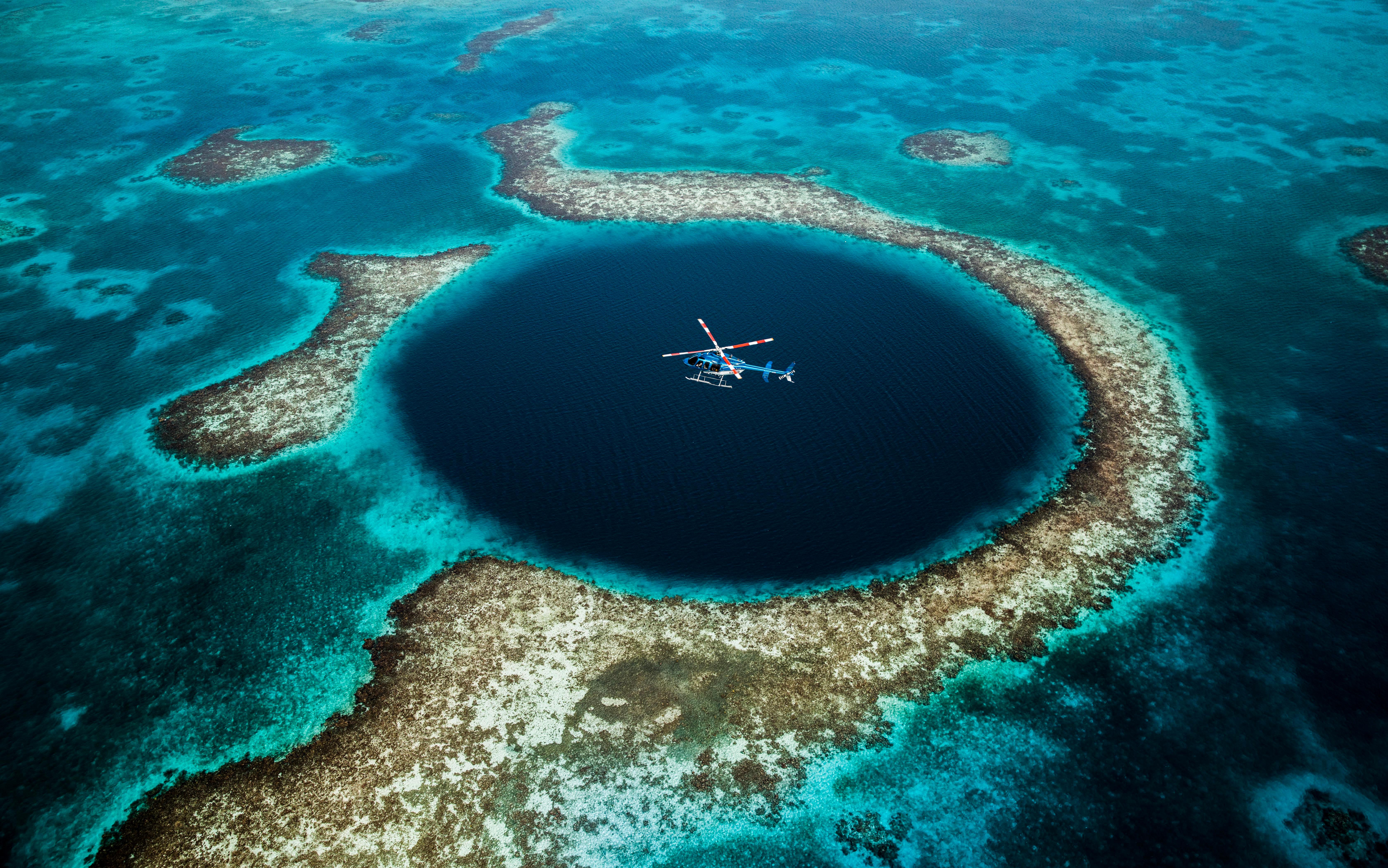
Blue Hole & Turneffe Islands Helicopter Adventure
|
— | 2 hr 30 min | ★ 5.0 | ✓ | — | ✓ | €825 | Book → |
|
Standard Entry
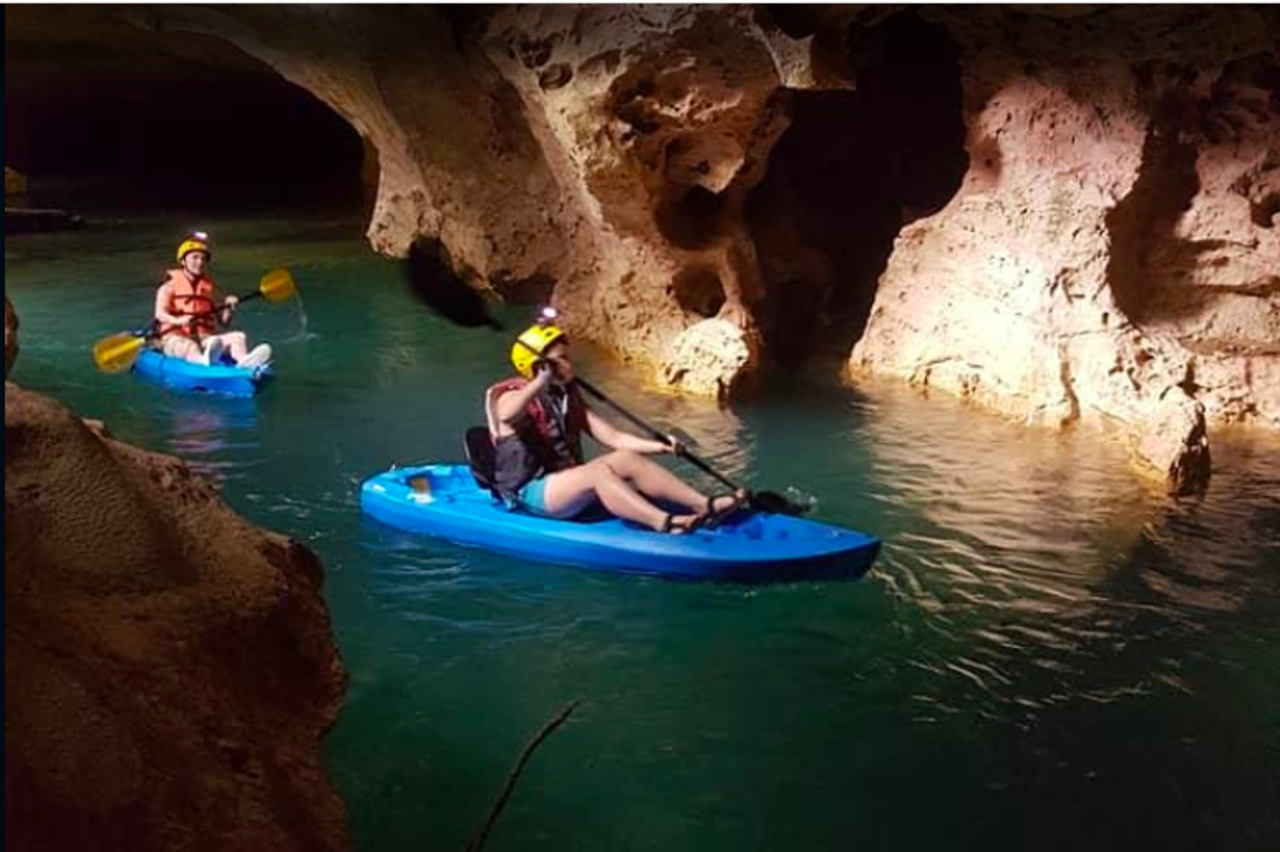
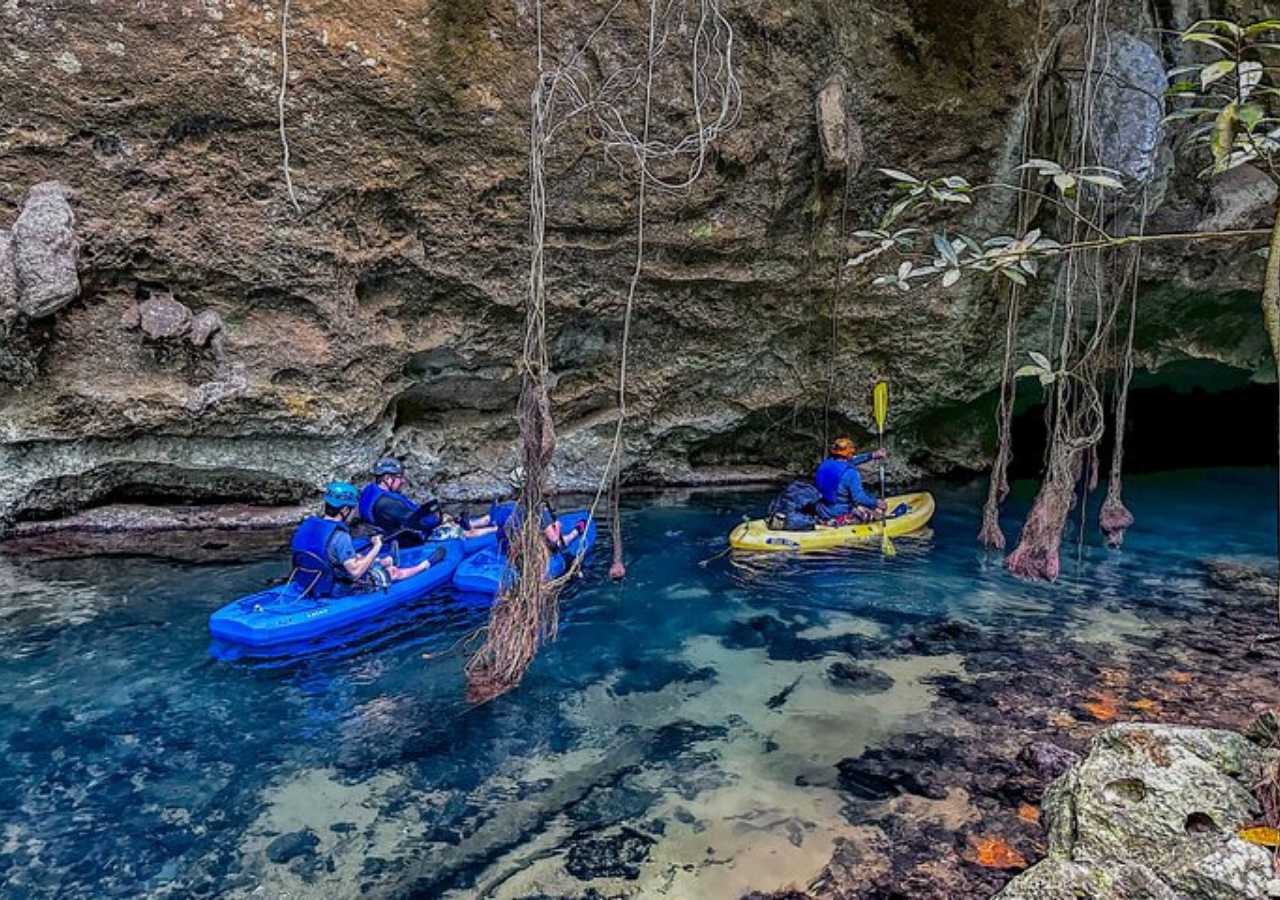
Belize Cave Kayaking & Jungle Adventure
|
— | 5 hr | ★ 4.9 | — | ✓ | ✓ | €61 | Book → |
|
Standard Entry
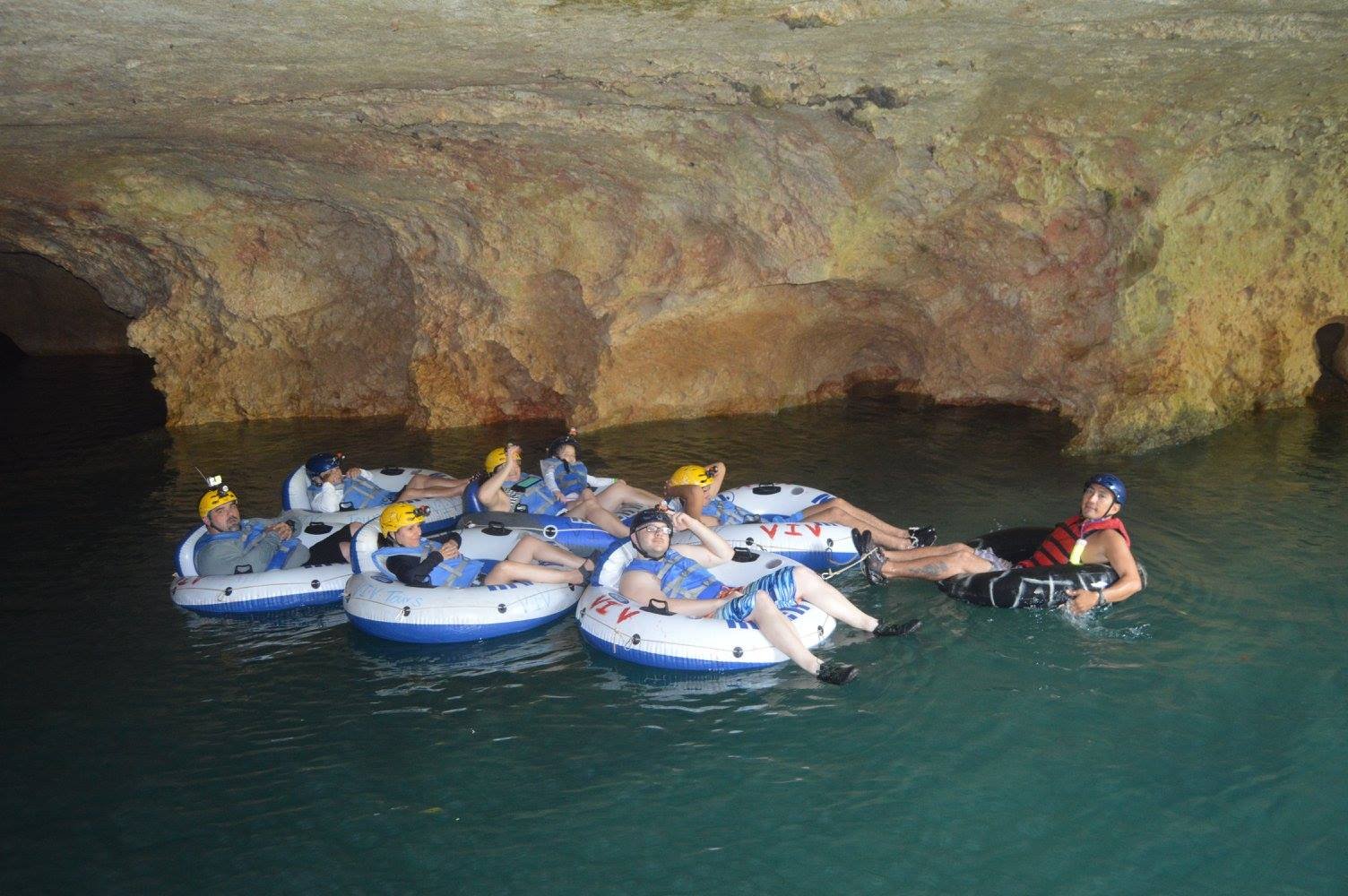
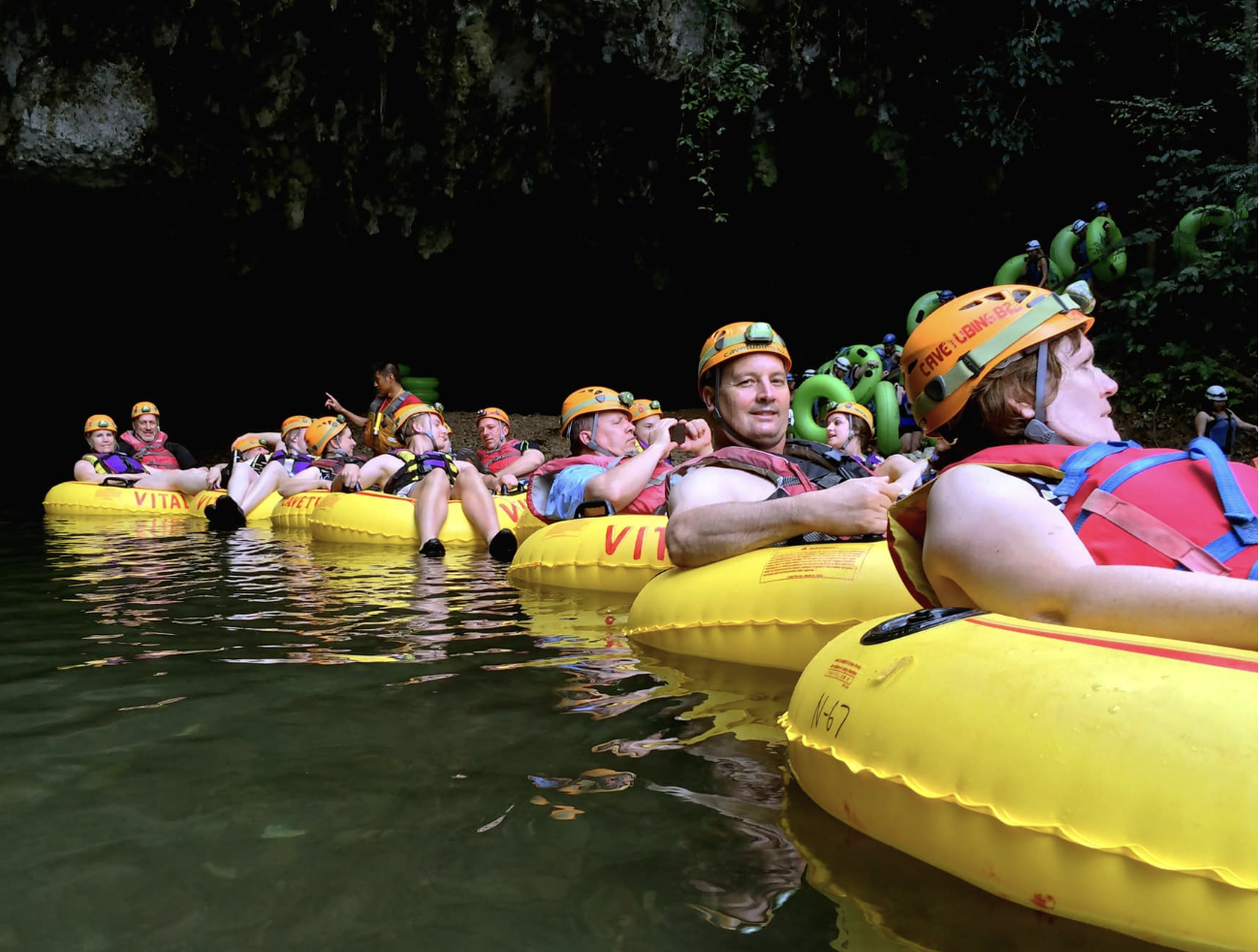
Cave Tubing, Crystal Cave & Zipline Adventure from Belize City
|
Belize City | 5 hr | ★ 4.8 | — | ✓ | ✓ | €61 | Book → |
Worth it for divers, limited for snorkelers
Belize blue hole snorkeling tours present a value paradox. The 80 BZD park fee covers access to the Blue Hole Natural Monument at Lighthouse Reef Atoll, but snorkeling the rim reveals little—most of the iconic stalactite formations and geological drama sit 40 meters down, visible only to certified divers. Tour operators bundle the Blue Hole with stops at Half Moon Caye and Long Caye Wall, where shallow coral gardens and nurse sharks deliver better snorkeling value than the hole itself. The helicopter tour offers aerial perspective without the reef stops, trading underwater time for visual scale. Snorkeling tours to Turneffe Atoll or Hol Chan Marine Reserve often outperform Blue Hole trips for marine life encounters at lower cost. If you're booking belize blue hole snorkeling tours expecting underwater cathedral views, you'll surface disappointed—the real spectacle requires scuba certification and a deeper descent into the limestone sinkhole.
Bottom line: Book it for the journey and surrounding reefs, not the Blue Hole snorkeling itself.
They answer different questions: Hol Chan wins for dense, guaranteed marine life on a short hop from Ambergris Caye, while belize blue hole snorkeling tours win for open-water depth and the bucket-list dive site itself. Most visitors doing a skip-the-line Blue Hole tour treat Hol Chan as the easier half-day add-on, not a substitute.
|
Top pick Blue Hole |
Hol Chan Marine Reserve | |
|---|---|---|
| What you see underwater | Coral wall, deep blue drop-off, reef sharks in outer zones | |
| Nurse sharks, stingrays, groupers, dense reef fish | How you get there | Boat or small plane from Belize City/Caye Caulker |
| Boat from San Pedro or Caye Caulker | Travel time from Belize City/Ambergris Caye | 2–3 hours by boat, ~1 hour by air |
| 15–30 minutes by boat | Visibility and depth | Over 100 ft visibility, drops past 400 ft |
| 30–80 ft visibility, average 15–35 ft depth | Price | 80 BZD park entrance fee (per person) |
| Hol Chan park fee separate from tour cost | Best for | Experienced snorkelers wanting open-water drama |
| See tickets & prices |
Verdict: Choose the Blue Hole for the deep-water landmark experience and Hol Chan for reliable, close-up marine encounters on a shorter trip — many operators pair both in a single day out of San Pedro.
Hand-picked experiences loved by thousands of travelers
6 hours 30 minutes
Free Cancellation
Journey through jungle waterways to one of Mesoamerica's longest-inhabited archaeological sites
4 hours
Free Cancellation
Explore ancient Maya temples and colonial landmarks on this enriching half-day journey through Belize's past.
7 hours
Free Cancellation
Cruise through tropical waterways to explore ancient temples deep in the Belizean jungle
2 hours
Free Cancellation
Comfortable shuttle transfers connecting Belize City airports, water taxi terminal and San Ignacio town
3 hours 30 minutes
Free Cancellation
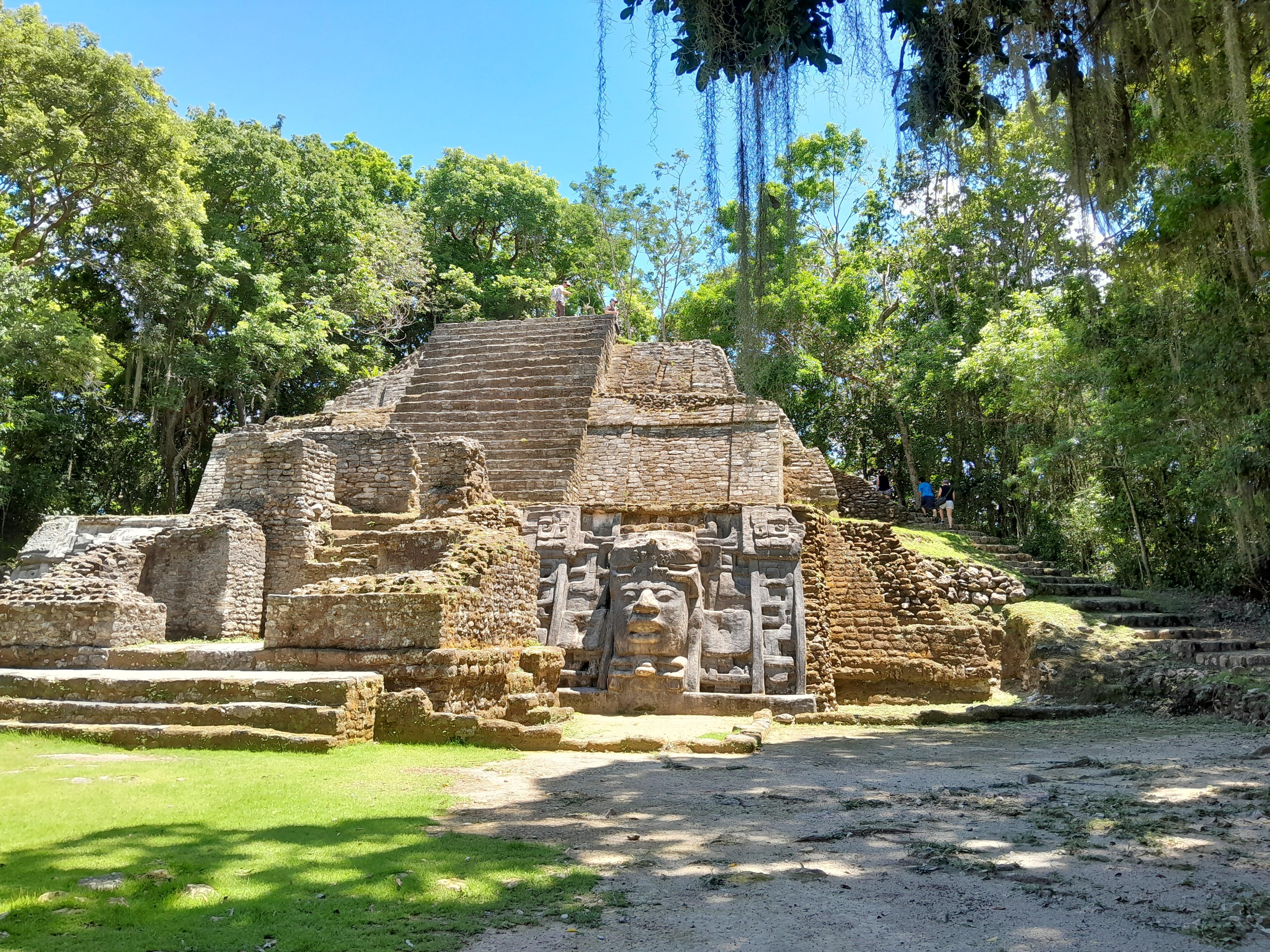
Discover ancient Maya temples and plazas at one of Belize's most important archaeological sites
2 hours
Free Cancellation
Discover colonial landmarks, vibrant neighborhoods, and local wildlife before sampling authentic Belizean rum
5 hours 20 minutes
Free Cancellation
Float through ancient Mayan caves on inner tubes, exploring sacred limestone chambers with a private guide
1 hour
Free Cancellation
Paddle through an ancient underground river system illuminated only by your headlamp in Belize's jungle
Depart from Belize City, San Pedro, or Caye Caulker on a high-speed catamaran toward Lighthouse Reef Atoll
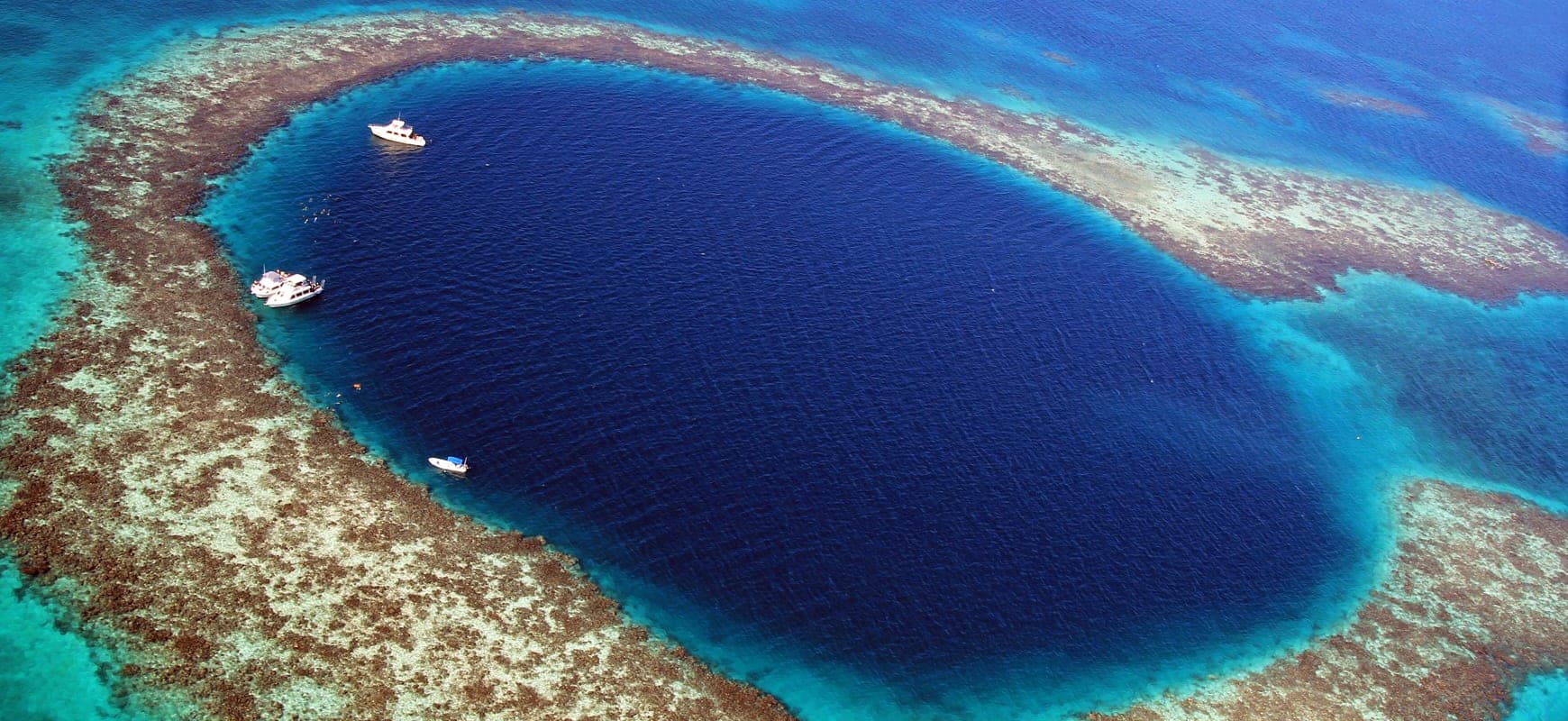
Boat moors near the rim of the Blue Hole Natural Monument while the Belize Audubon Society park fee is confirmed
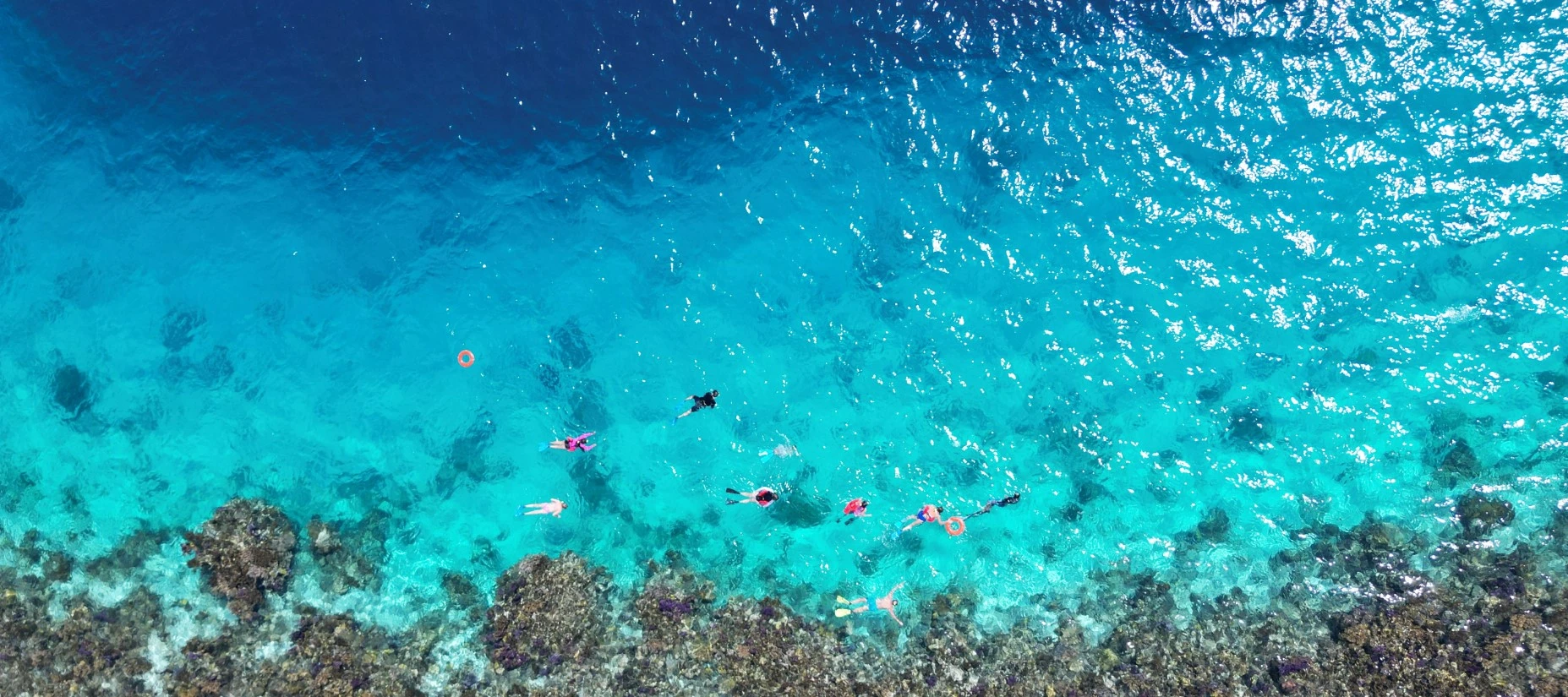
Snorkelers explore the coral rim and drop-off edge of the sinkhole, observing the sharp color transition into deep blue water
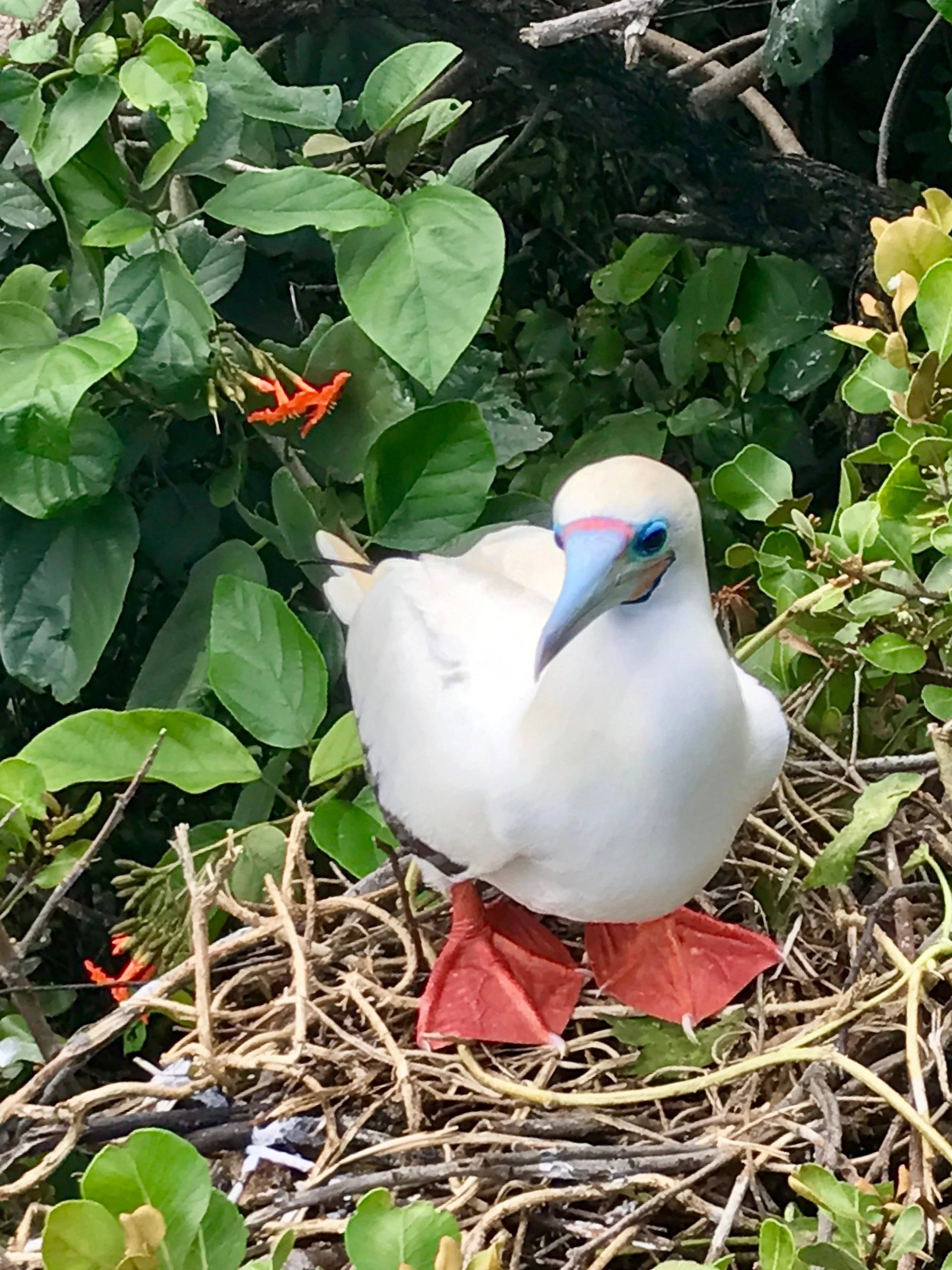
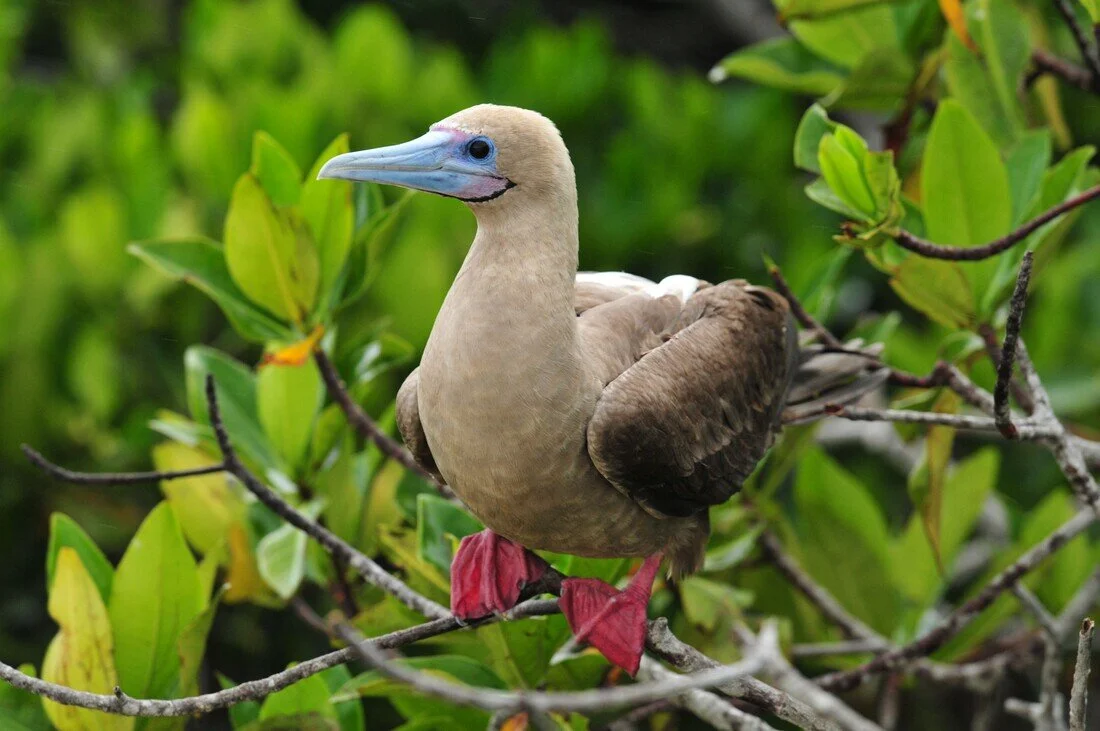
Many tours continue to Half Moon Caye Natural Monument to see the red-footed booby colony and a sand beach
Boat returns to the mainland departure point, often with lunch served on board
The shallow coral rim surrounding the sinkhole is where snorkelers spend most of their time, observing the sharp drop-off where the reef floor plunges from a few meters to over 124 meters at the center. Parrotfish, sergeant majors, and occasional reef sharks patrol this shallow edge.
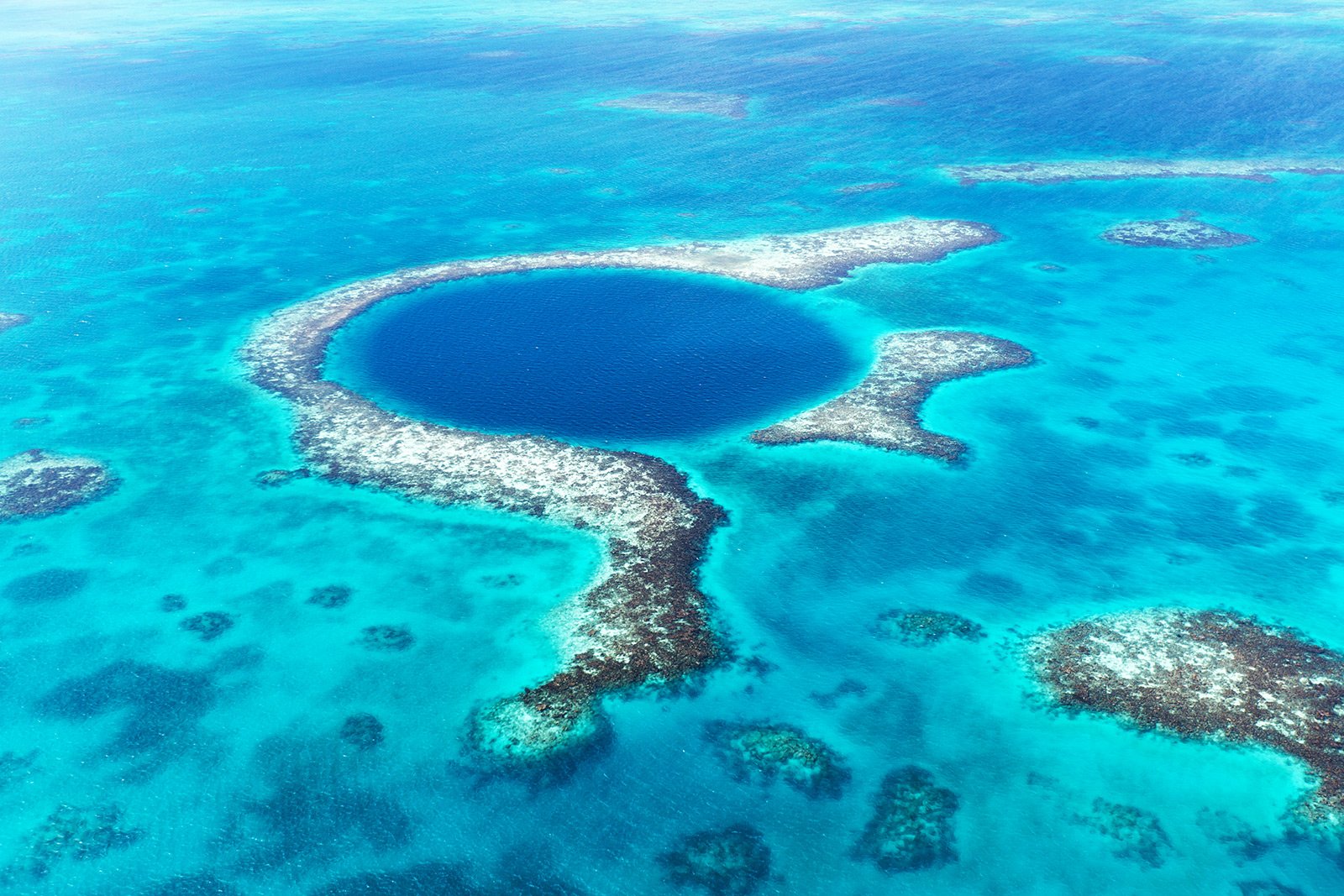
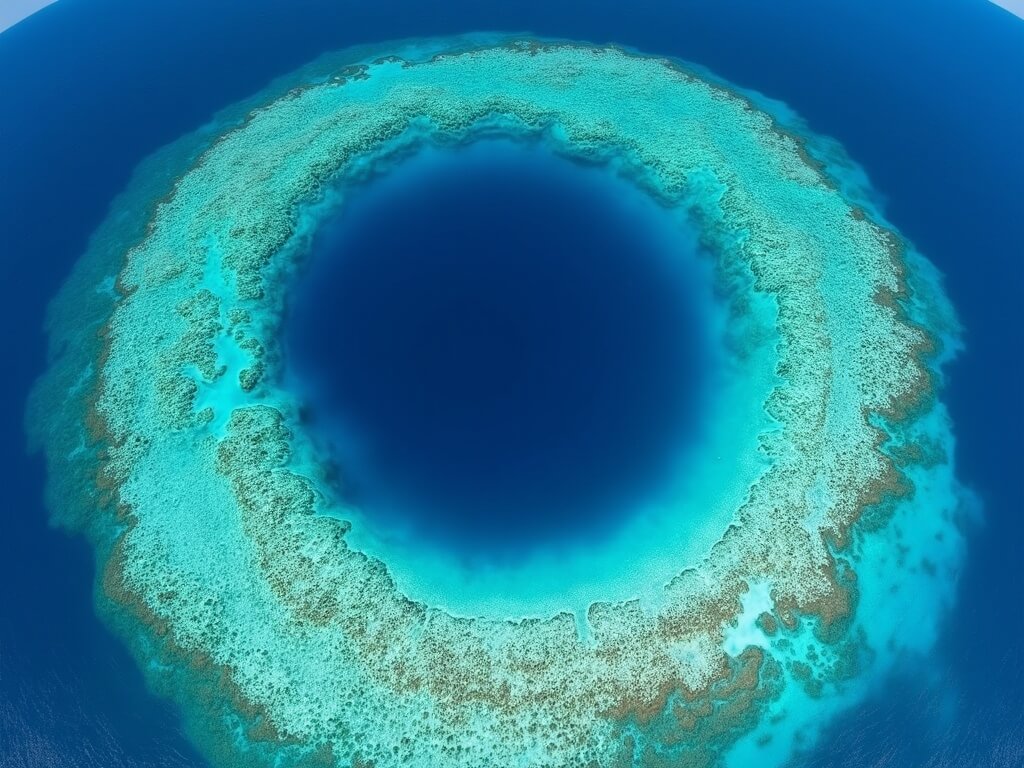
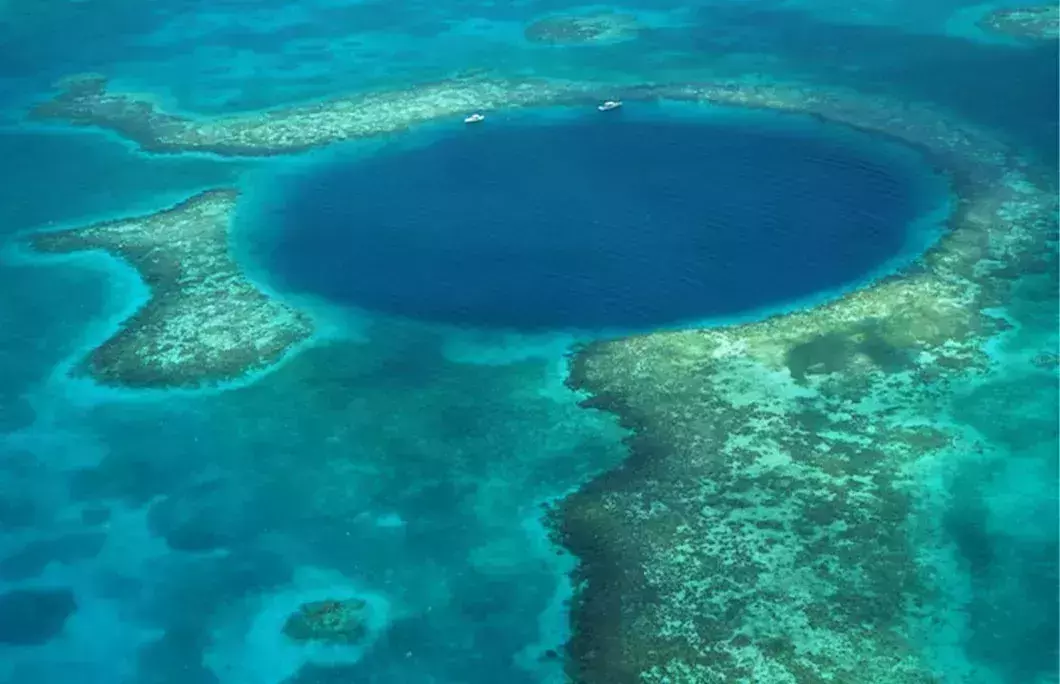
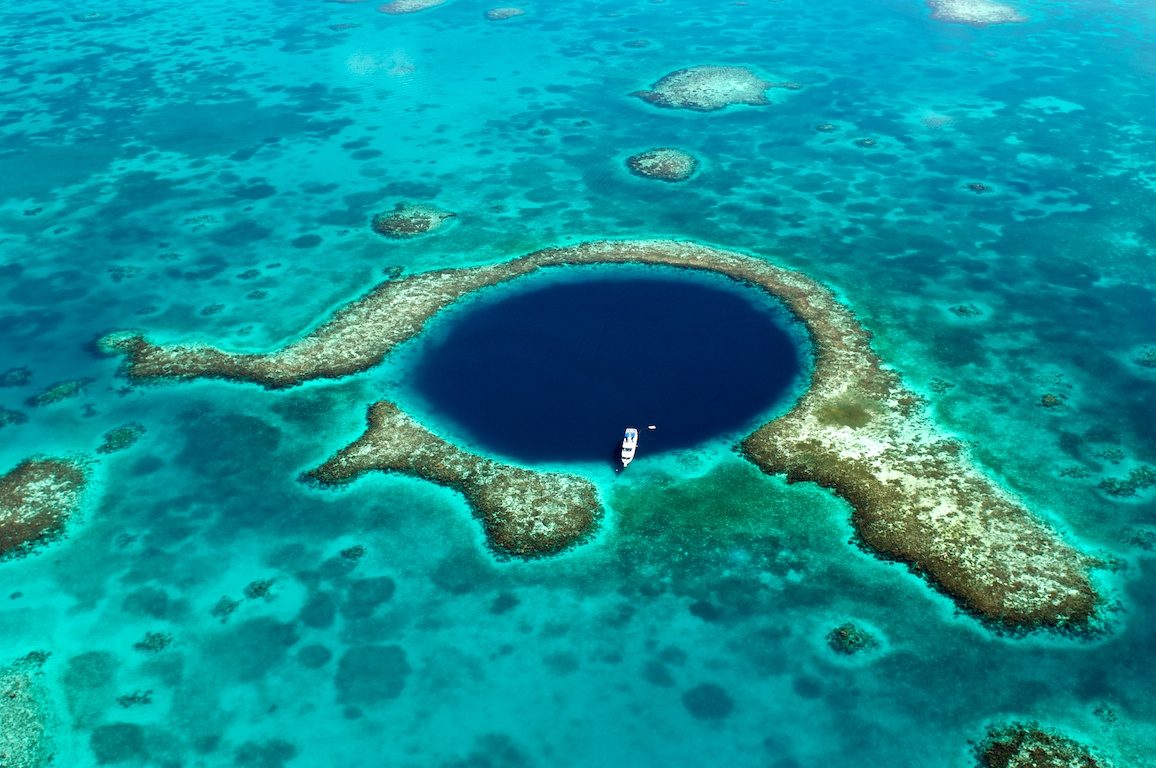
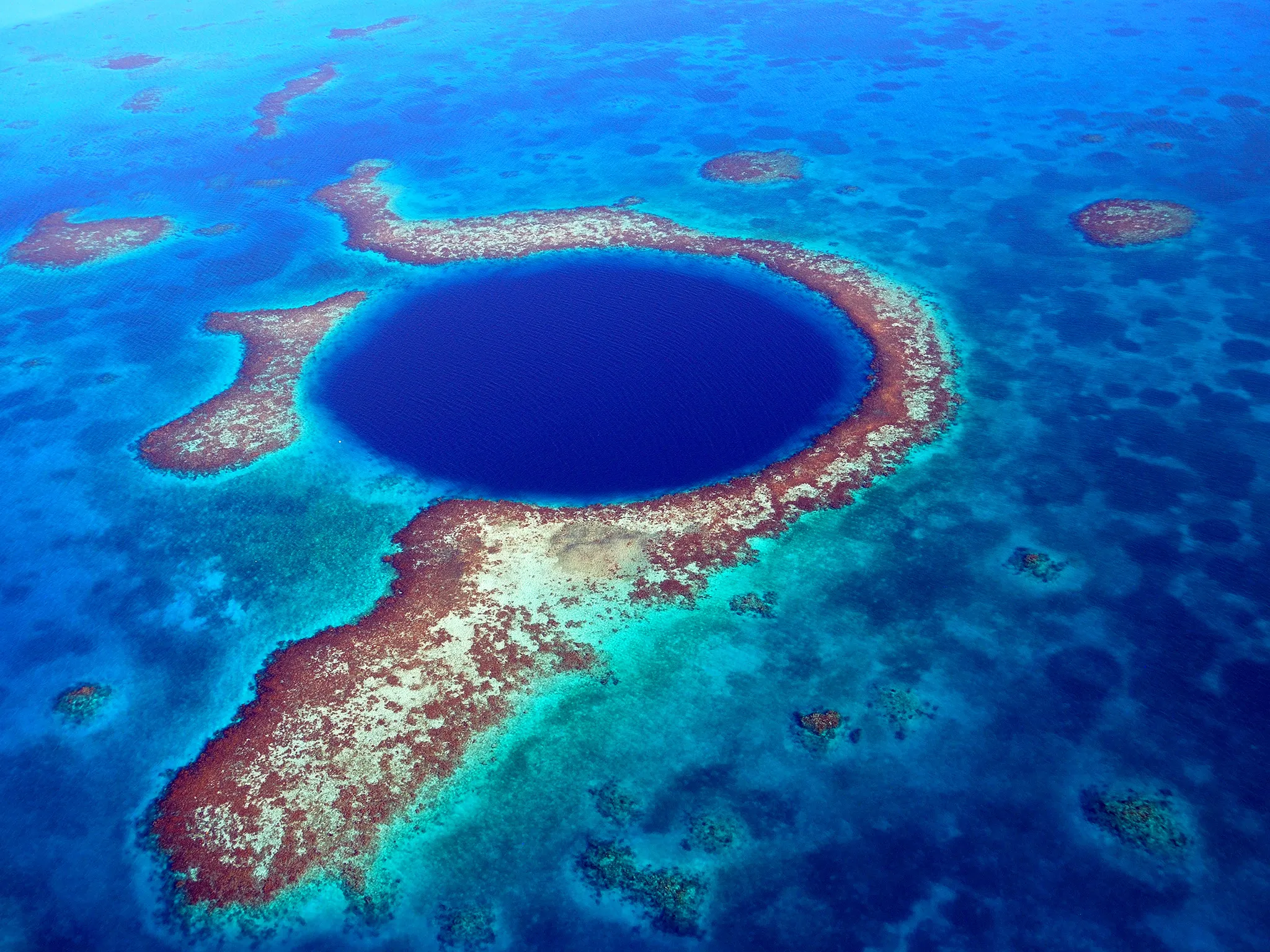
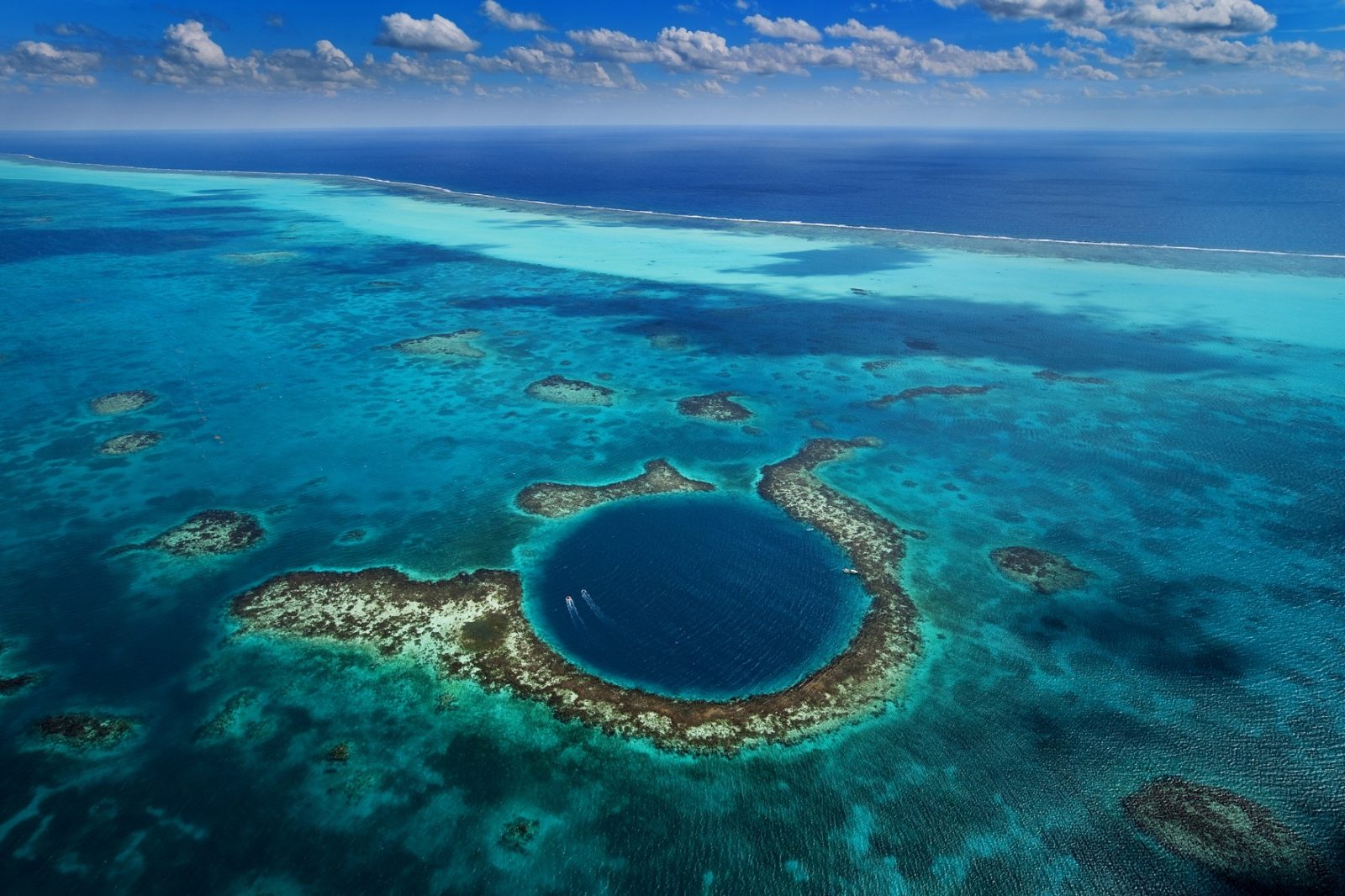
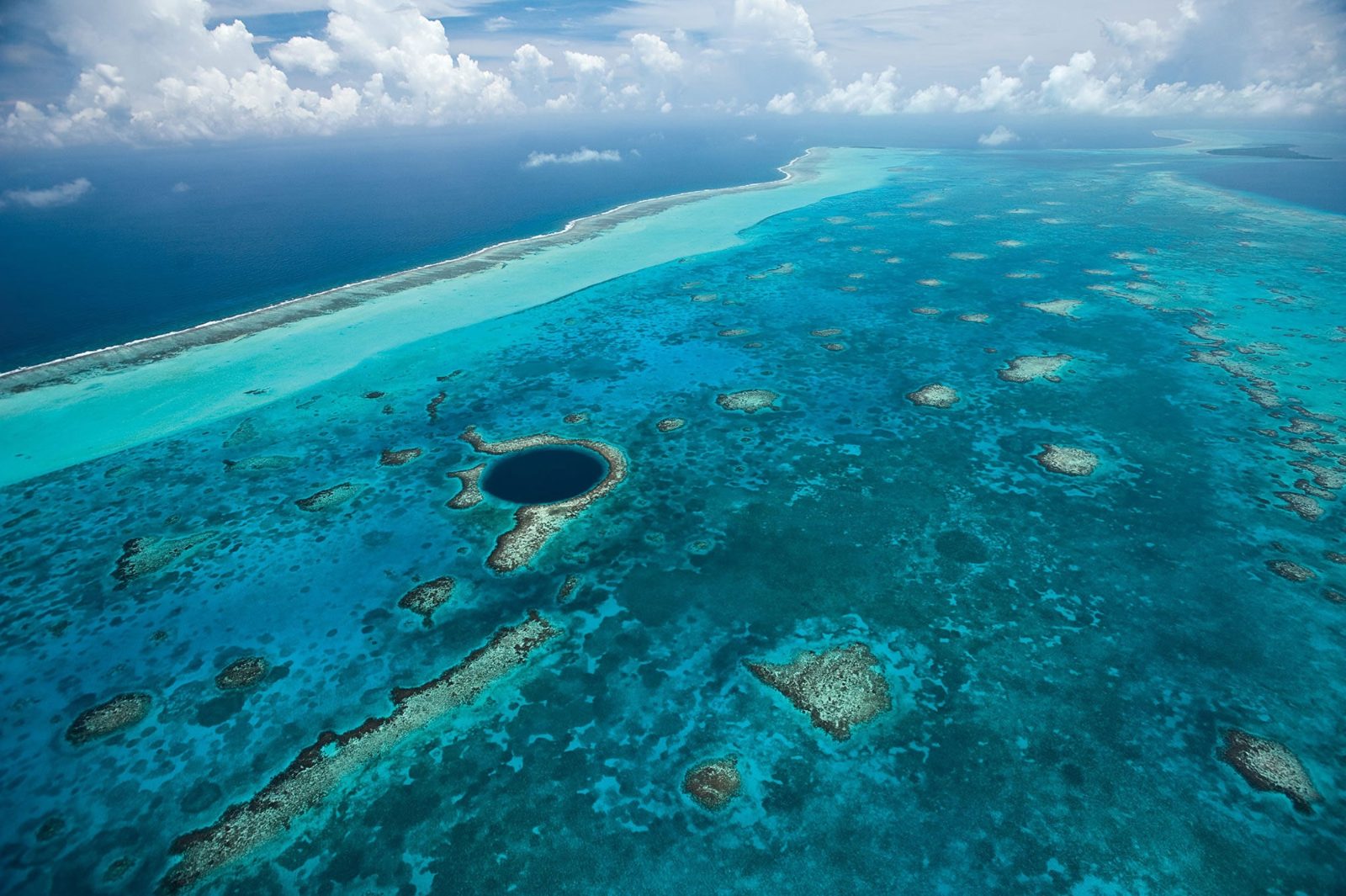
The Blue Hole itself is a near-perfect circle roughly 300 meters across and 124 meters deep, formed as a limestone cave system that collapsed when sea levels rose after the last Ice Age. Its dramatic color shift from turquoise to deep indigo is visible from the air and is why it was famously surveyed by Jacques Cousteau in 1971.
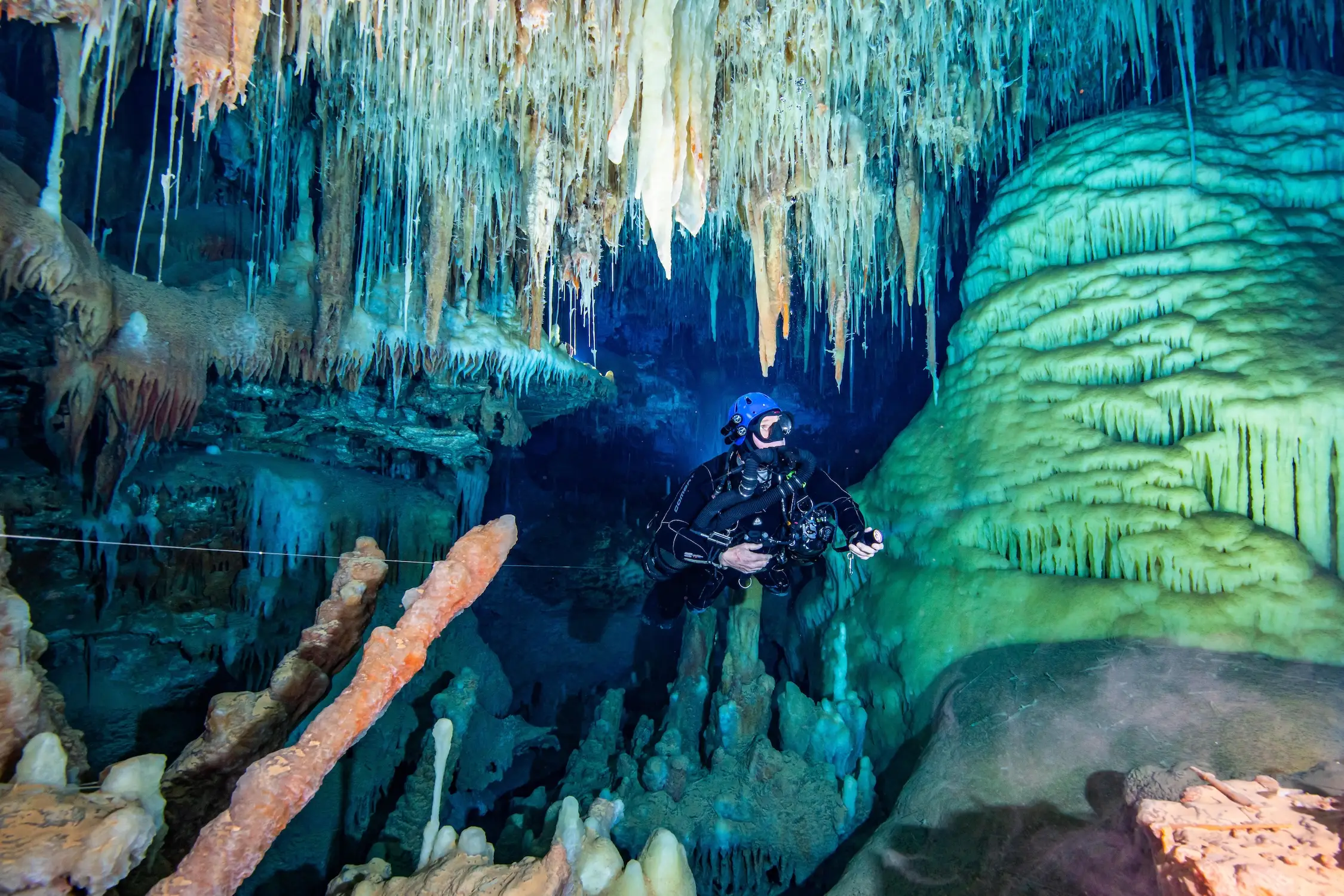
Below roughly 40 meters, divers can see ancient limestone stalactites hanging from what were once dry cave ceilings, some over 3 meters long. These formations confirm the site was an air-filled cave system before it flooded and collapsed thousands of years ago.
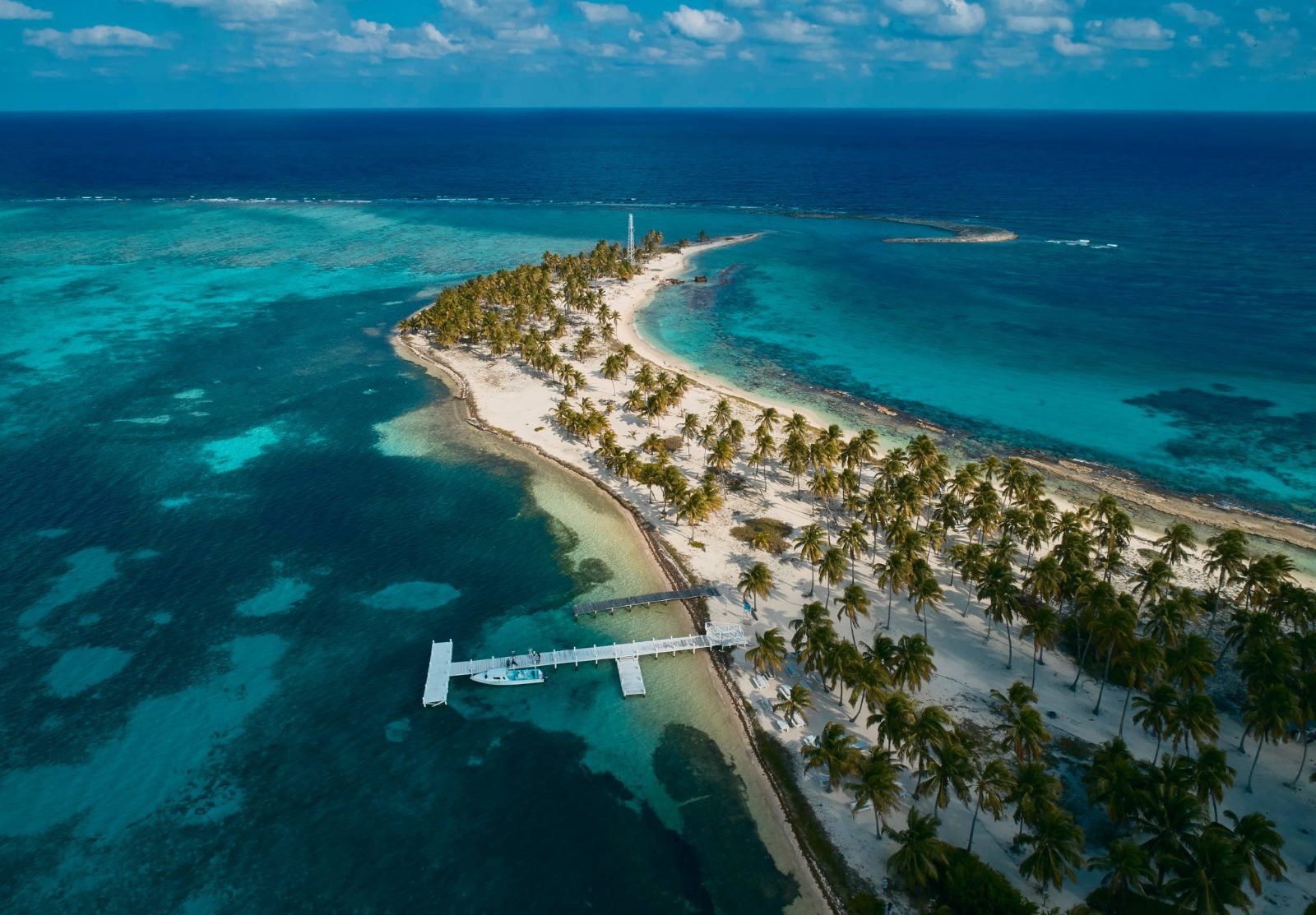
Often visited as part of the same tour, this small island within Lighthouse Reef Atoll hosts one of the only red-footed booby colonies in the region, with an estimated 4,000 nesting birds. A raised wooden observation platform lets visitors view the colony without disturbing the nesting trees.
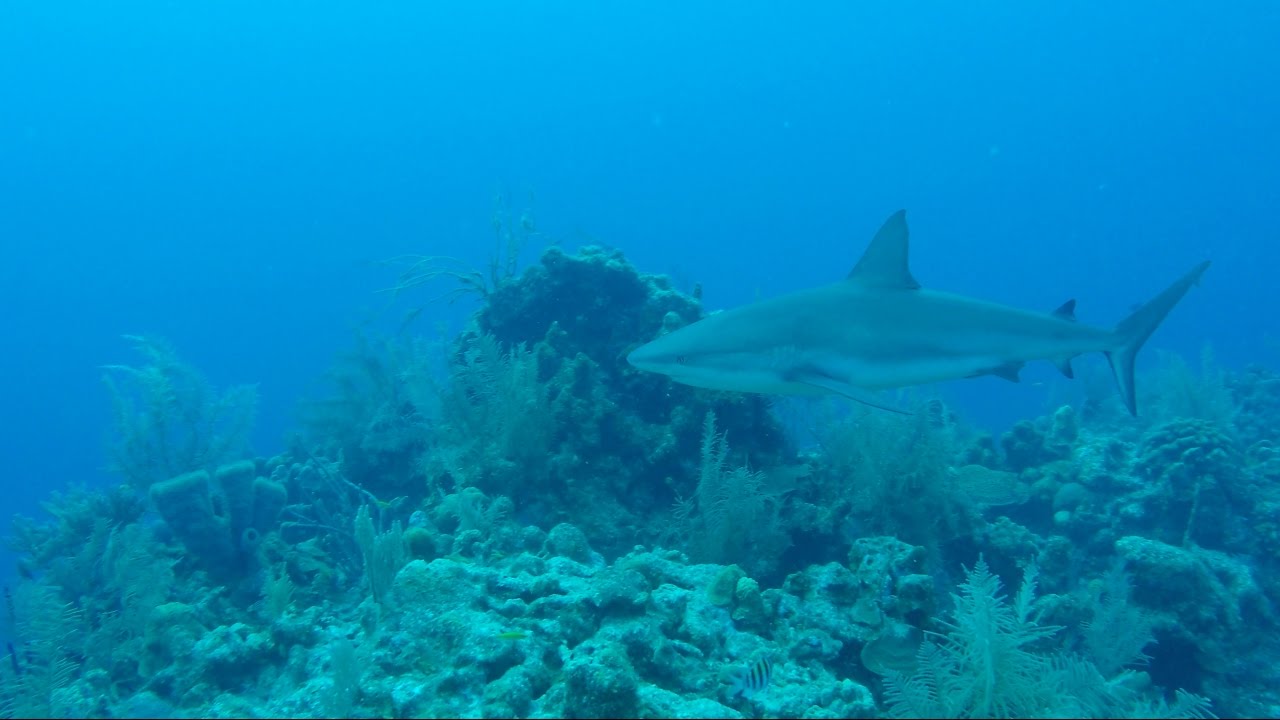
Just outside the Blue Hole's rim, the outer wall of Lighthouse Reef Atoll drops steeply into open ocean and is a common secondary snorkel or dive stop for spotting Caribbean reef sharks and eagle rays.
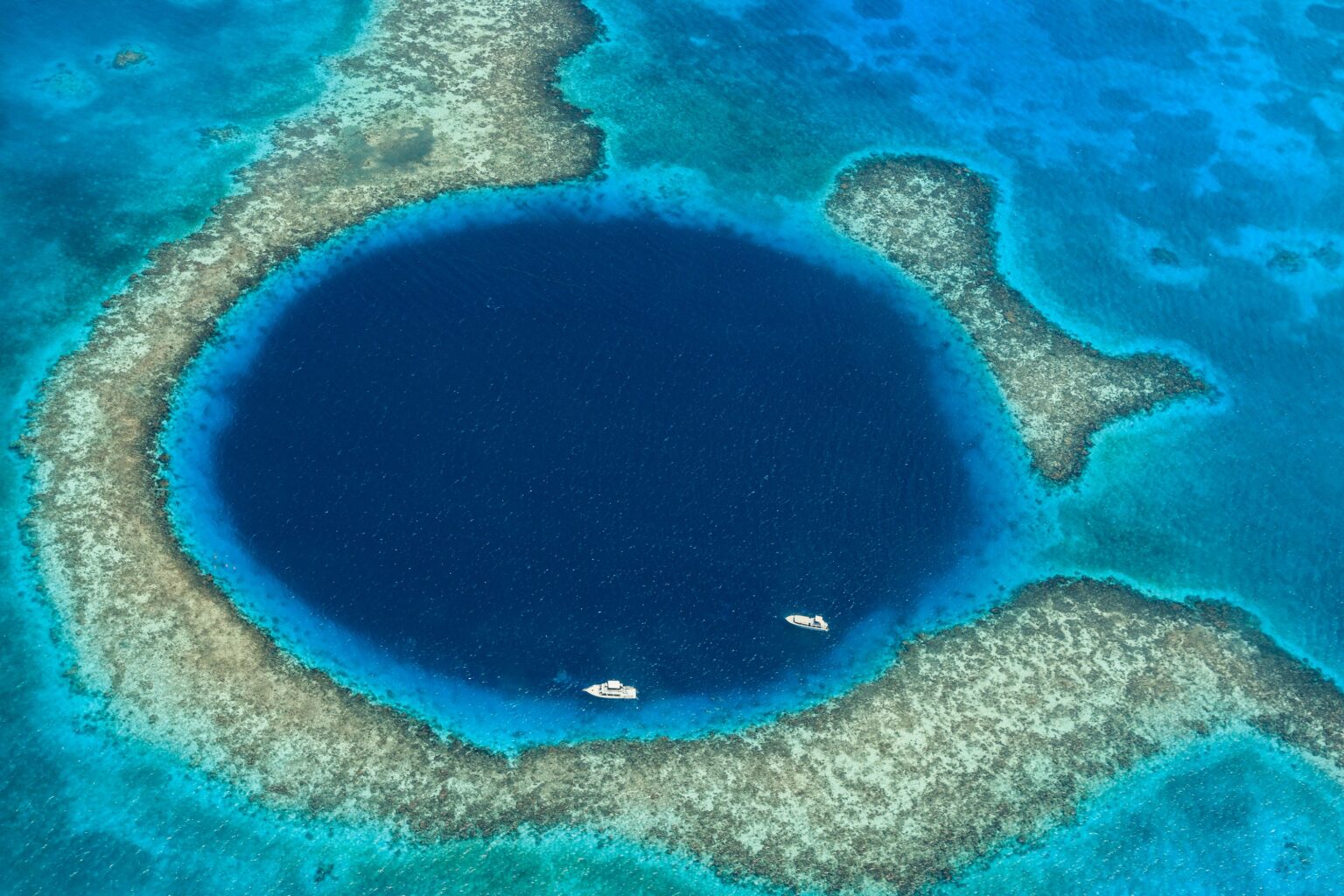
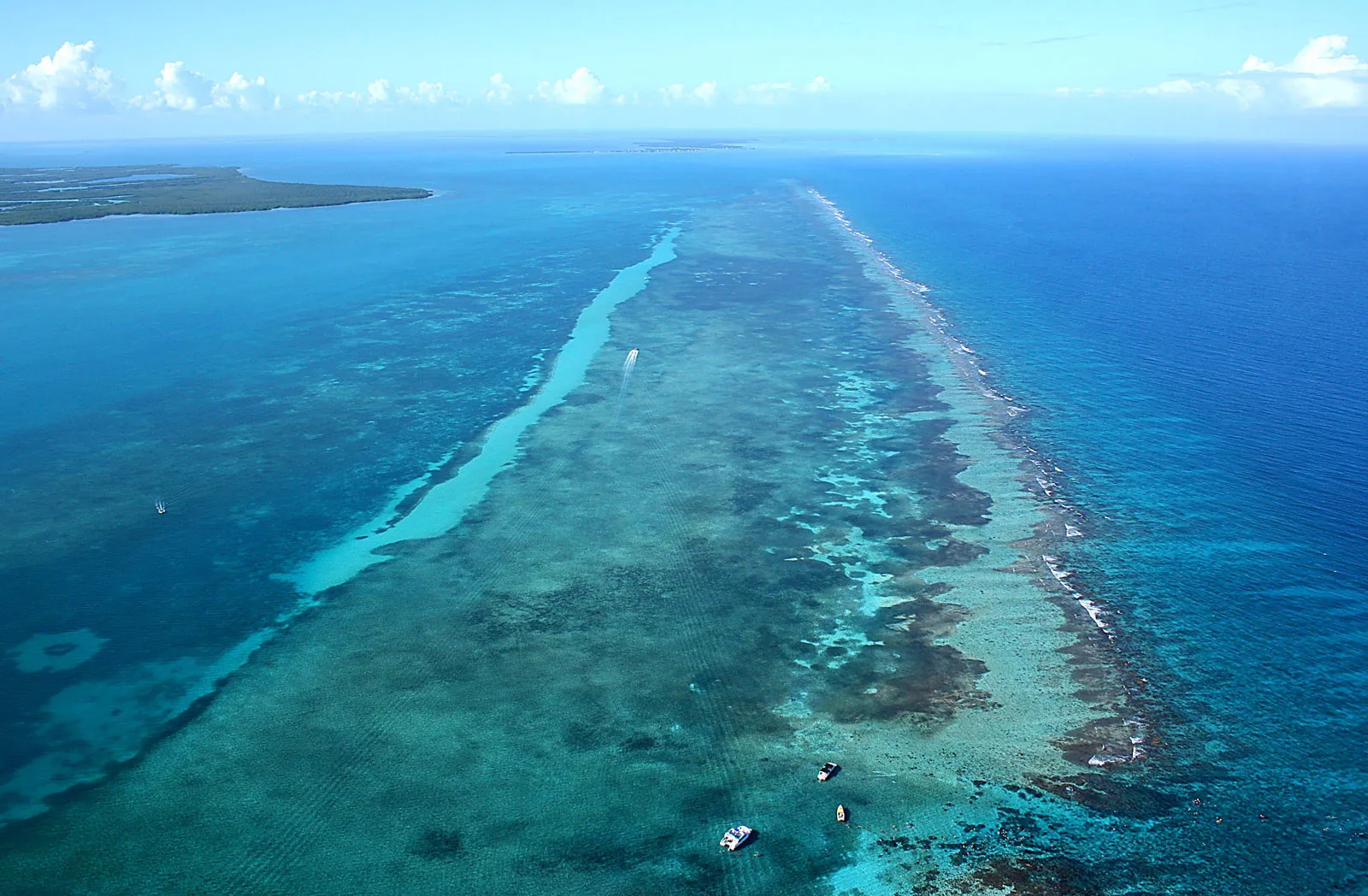
You lift off from Belize City at 8:00, the helicopter banking east over mangrove estuaries and fishing villages. The mainland recedes and the reef appears as a turquoise ribbon, its outer edge marked by white surf. Twenty minutes out, the Blue Hole emerges below—a perfect indigo circle set into lighter shallows.
Your pilot descends to 150 metres and orbits twice, the sinkhole's walls visible beneath the surface, draped in algae where sunlight penetrates. The helicopter turns south and follows the barrier reef, its crest foaming in the trade winds.
On boat-based tours, you anchor at the Blue Hole's southern rim by 10:00. The water is calm inside the reef, clearer than the open ocean. You slip into 15-metre depths and swim along the perimeter, peering into the void where the bottom vanishes into shadow. Sergeant majors and blue tangs cluster near the drop-off. The second stop is Half Moon Caye; you wade ashore and walk a sand trail through littoral forest to the booby colony. Red-footed birds perch on ziricote branches, indifferent to visitors. The final snorkel at Long Caye lasts 45 minutes. Nurse sharks rest on the sandy floor while you drift over coral mounds, the current gentle, visibility extending 30 metres.
All the details about your upcoming adventure in one place
The Great Blue Hole is a 300-metre-wide collapsed limestone cave that plunges 125 metres into the Caribbean seafloor, its cobalt disc visible from space. Formed during the last ice age when sea levels dropped and exposed the reef, the sinkhole's walls preserve stalactites that grew in dry air 150,000 years ago.
Jacques Cousteau declared it one of the top ten dive sites on Earth in 1971, though snorkelers circle its rim while divers descend into the cavern itself. The Blue Hole sits within Lighthouse Reef Atoll, the easternmost of Belize's three atolls, 70 kilometres from the mainland coast. UNESCO inscribed the site as part of the Belize Barrier Reef Reserve System in 1996, recognizing the reef as the second-longest barrier system in the world after Australia's.
Belize blue hole snorkeling tours typically depart Belize City or San Pedro at dawn, reaching the atoll by mid-morning when water clarity peaks. The journey crosses turquoise shallows dotted with coral heads, the reef walls dropping abruptly into oceanic trenches. Most operators combine the Blue Hole with Half Moon Caye, a 45-acre island sanctuary where red-footed boobies nest in dense colonies, and the Aquarium at Long Caye, a shallow reef corridor where nurse sharks patrol the sand channels. The atoll's isolation preserves pristine coral gardens; elkhorn and staghorn formations thrive in the surge zone, while queen angelfish and Nassau grouper navigate the deeper slopes.
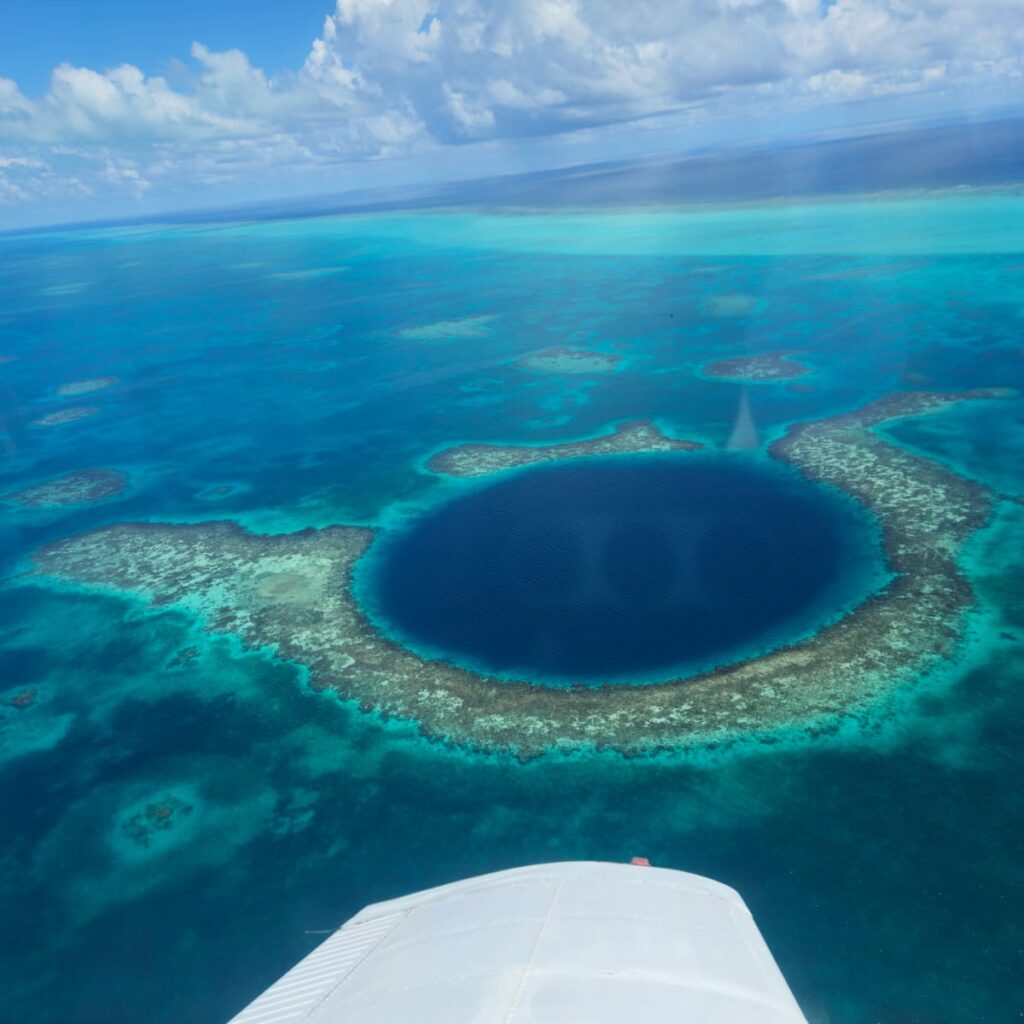
Helicopter tours offer aerial perspectives unavailable from boats. The circular geometry of the Blue Hole becomes apparent only from altitude, its dark centre ringed by shallow turquoise and framed by the reef's outer wall. Pilots circle the sinkhole twice, then follow the barrier reef south toward Turneffe Atoll, the largest atoll in the Caribbean. Turneffe spans 30 kilometres and shelters 200 mangrove cayes, its interior lagoons hosting permit and bonefish. The aerial route reveals the reef's architecture: spur-and-groove channels carved by storm surge, patch reefs scattered across the lagoon floor, and the narrow reef crest where waves break continuously. Flights last 45 minutes and operate daily from Belize City Municipal Airport, weather permitting. The conservation fee of 80 BZD per person supports marine protection and research at the Blue Hole Natural Monument, administered by the Belize Audubon Society since 2000.

Jacques Cousteau declared it one of the top ten dive sites on Earth in 1971, though snorkelers circle its rim while divers descend into the cavern itself.
Wear a swimsuit under quick-dry clothing since snorkelers enter the water directly from the boat with no changing facilities at the Blue Hole. Reef-safe sunscreen is recommended, and a light rash guard helps with sun exposure during the open-water crossing to Lighthouse Reef Atoll.
Boats to the Blue Hole Natural Monument have limited dry storage, so pack belongings in a single small dry bag rather than a full backpack or suitcase. Belize Audubon Society rangers may check that visitors have paid the 80 BZD park fee before permitting entry into the water.
Personal cameras and GoPros are permitted above and below water at no extra charge, though visibility below roughly 40 feet (12 meters) is where the Blue Hole's cavern formations and stalactites become visible to divers rather than snorkelers. Drone use requires advance permission from the Belize Audubon Society since the site sits within a protected natural monument.
Children who join Belize Blue Hole snorkeling tours should already be comfortable swimming in open water, since the site is a deep-water sinkhole with no shallow shelf near the rim. Most tour operators set a minimum age, commonly around 8 to 12 years old, and require a life jacket for younger or less confident swimmers.
The Blue Hole Natural Monument has no piers, ramps, or platforms, so entry is a direct boat-to-water descent using a ladder, which is difficult for visitors with mobility impairments. There are no restroom or accessibility facilities on-site since the monument is a remote open-water atoll roughly 2.5 hours by boat from Belize City or Ambergris Caye.
Snacks and bottled water are typically supplied by the tour boat rather than sold on-site, since the Blue Hole Natural Monument itself has no vendors, restaurant, or freshwater rinse station. Visitors should avoid bringing single-use plastic packaging, as the Belize Audubon Society enforces a no-litter policy across Lighthouse Reef Atoll.
Popular day trip departure day
Busier with weekend charters
Heaviest boat traffic
Hours
Daily 08:00–16:00
Address
Blue Hole Natural Monument, Lighthouse Reef Atoll, Belize
Access
Boat access only, no docks or piers on-site
Best window
08:00–10:00 for calmest water and clearest visibility
Entrance fee
80 BZD per person (Belize Audubon Society park fee)
Car · 20-40 minutes to marina · Parking typically a few BZD per hour
Drive to the departure marina in Belize City, San Pedro, or Caye Caulker, since there is no road access to the Blue Hole itself. Parking is available near most marina departure points for a small daily fee.
Public transport · 30-90 minutes between islands · Water taxi fares vary by route
Water taxis connect Belize City, Caye Caulker, and San Pedro several times daily, and most snorkel tour operators include pickup from these hubs in the tour price.
Taxi · 10-20 minutes · Fare varies by distance
Taxis are the most direct way to reach a marina departure point from a hotel in Belize City or on the cayes.
Most Belize Blue Hole snorkeling tours allow free rescheduling or a full refund if cancelled at least 24 to 48 hours before departure, though exact windows vary by boat operator. The 80 BZD Blue Hole Natural Monument park fee is collected on-site and is separate from any tour operator refund policy.
Recommended time
Half a day to a full day
Most belize blue hole snorkeling tours run as full-day boat trips, departing early to reach Lighthouse Reef Atoll, with 2-3 snorkel stops split between the Blue Hole rim, Halfmoon Caye, and Long Caye, plus surface time and lunch aboard, totaling 8-10 hours door to door. A helicopter flyover option compresses the experience into 2-3 hours since there is no in-water snorkeling, just aerial views. Add time if boat transfers run long due to swell, and subtract nothing from the 08:00-10:00 arrival window since calmer water there speeds up entry and reduces staging delays at the dock. Queues are rare once underway, but morning check-in at departure points can bottleneck if multiple boat tours tours leave the same marina at once.
Crowd levels through the day
Weather · crowds · average price — dots go green to amber to red as each metric rises.
Dry season conditions bring calmer seas and clearer visibility for the Blue Hole crossing. Temperatures average 26-30°C with lower rainfall than summer months.
Warm, humid weather with occasional afternoon showers; sea conditions are generally manageable but can be choppier than spring. This period sees strong demand from North American summer travelers.
Hurricane season peaks in September and October, and rough seas or storm activity can cause tour cancellations. Visitors booking now in late September should monitor weather advisories closely before departure.
Dry season returns with the clearest water and steadier winds, making this a popular and often busier period for boat tours. Cooler evenings around 22-25°C make the crossing more comfortable.
Choose a tour operator licensed by the Belize Tourism Board, since the crossing to Lighthouse Reef Atoll covers open ocean and safety equipment varies between boats.
The 80 BZD Blue Hole Natural Monument entrance fee is typically collected in cash on the boat or at the site, so carry small bills in a dry bag.
The boat ride to the Blue Hole from Belize City or the cayes takes roughly two to three hours each way, so pack motion sickness remedies if prone to seasickness.
There is no storage or shelter at the Blue Hole itself, so a sealed dry bag protects phones, wallets, and passports during the open-water crossing.
Many Belize Blue Hole snorkeling tours pair the sinkhole visit with a stop at Half Moon Caye Natural Monument, so confirm this is included when comparing tour options.
Visitors traveling in September or October should confirm weather conditions in advance, since storm activity during this period can delay or cancel boat departures.
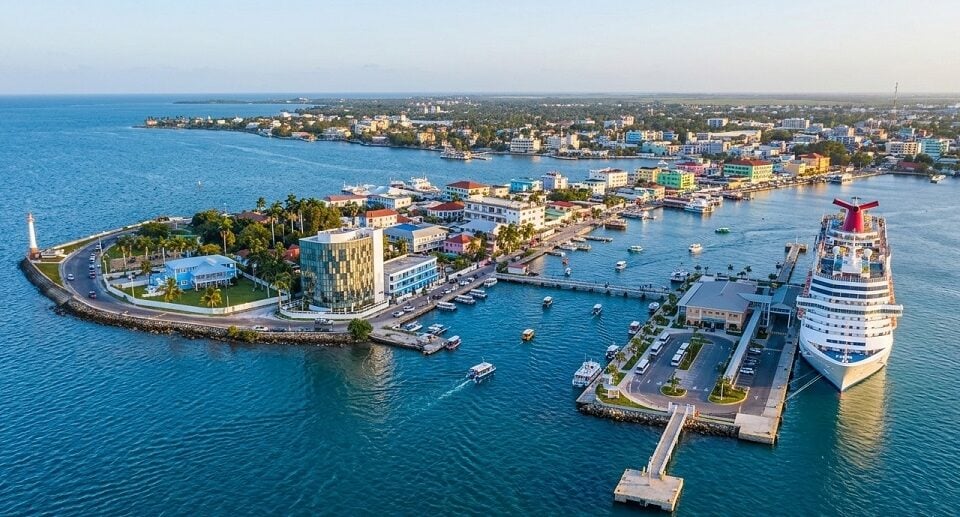
Belize City, Belize
Common departure dock for Blue Hole day tours
Get directions
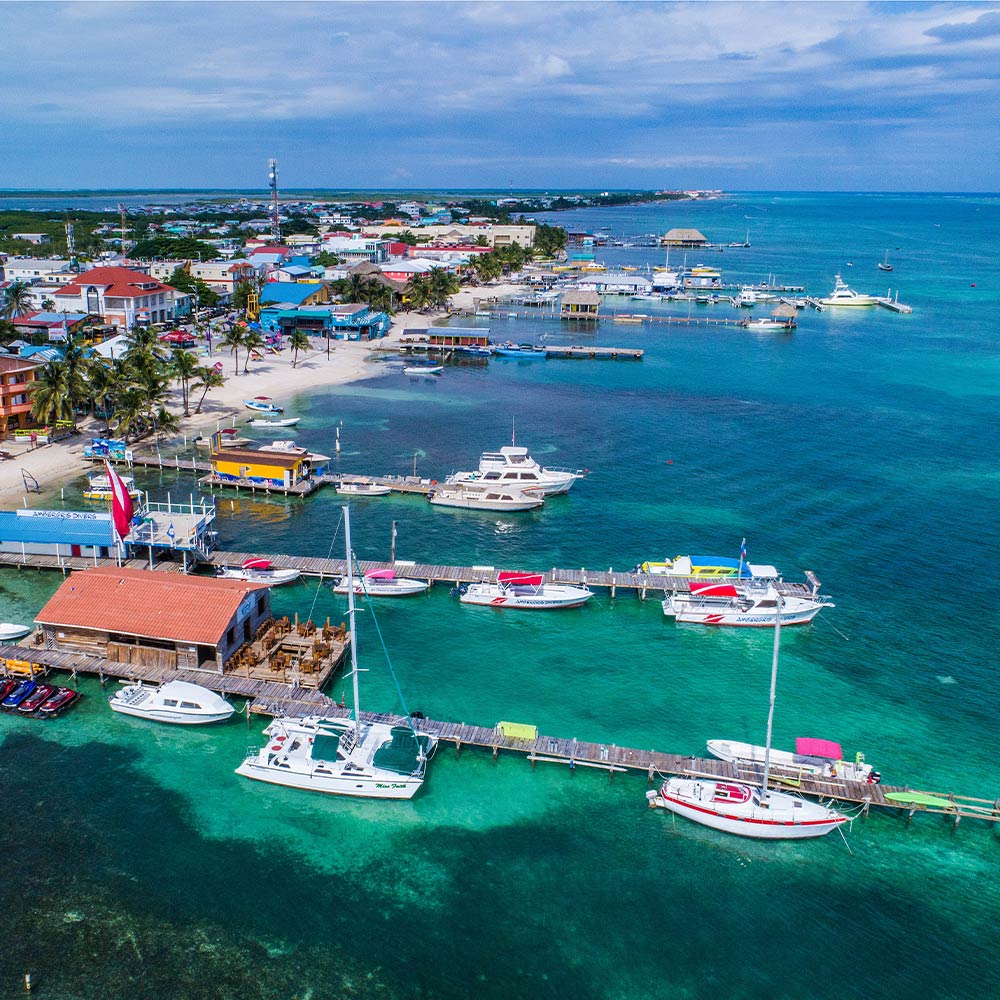
San Pedro, Ambergris Caye, Belize
Departure point for boats based on Ambergris Caye
Get directionsCaye Caulker, Belize
Departure point for boats based on Caye Caulker
Get directionsThe Great Blue Hole formed roughly 153,000 years ago during the Pleistocene epoch, when sea levels stood 300 to 400 feet lower than today. What began as a limestone cave system collapsed under its own weight as glacial melt raised the ocean. The circular sinkhole measures 1,043 feet across and plunges 407 feet into the Caribbean seabed. For millennia, Maya fishermen navigated the surrounding Lighthouse Reef Atoll, but the submerged cathedral remained largely uncharted by the outside world. Jacques Cousteau arrived aboard the Calypso in December 1971, lowering his research submarine into the sapphire void. His team discovered massive stalactites suspended at depths of 130 feet, confirming the site's origins as a dry cave. Cousteau's subsequent documentary ranked the Blue Hole among the top ten dive sites on Earth. The footage sparked international fascination, though access remained limited to technical divers and expedition vessels. By the 1980s, liveaboard operators began scheduling trips from Belize City, and the first belize blue hole snorkeling tours emerged for travelers content to observe the rim's shallow coral gardens rather than descend into the chasm. Belize declared the Blue Hole a Natural Monument in 1996, transferring management to the Belize Audubon Society and imposing an 80 BZD park fee. That same year, UNESCO inscribed the Belize Barrier Reef Reserve System—including Lighthouse Reef—as a World Heritage Site. The designation brought stricter anchoring protocols and seasonal visitor caps. In 2018, a submersible expedition led by Richard Branson and Fabien Cousteau mapped the pit's floor at 407 feet, documenting a hydrogen sulfide layer that preserves fossilized conch shells. Today, belize blue hole snorkeling tours tickets grant access to the monument's shallow ring, where reef sharks and tarpon patrol the drop-off, though the abyss itself remains the domain of advanced technical divers.
Limestone cave collapses as rising seas flood the Yucatán shelf during interglacial period.
Jacques Cousteau films Calypso documentary, documenting stalactites at 130 feet and ranking the site among the world's premier dive locations.
First commercial dive operators begin running multi-day liveaboard expeditions from Belize City to Lighthouse Reef Atoll.
Belize designates the Blue Hole a Natural Monument; UNESCO inscribes the Belize Barrier Reef Reserve System as a World Heritage Site.
Branson-Cousteau expedition maps the floor at 407 feet, revealing hydrogen sulfide layer and fossilized marine life.
The classic wide shot: a perfect dark-blue circle cut into the surrounding turquoise reef, captured from a small plane or helicopter window on the flight out to Lighthouse Reef Atoll. Ask for a window seat on the seaward side and shoot straight down when the plane banks over the rim.
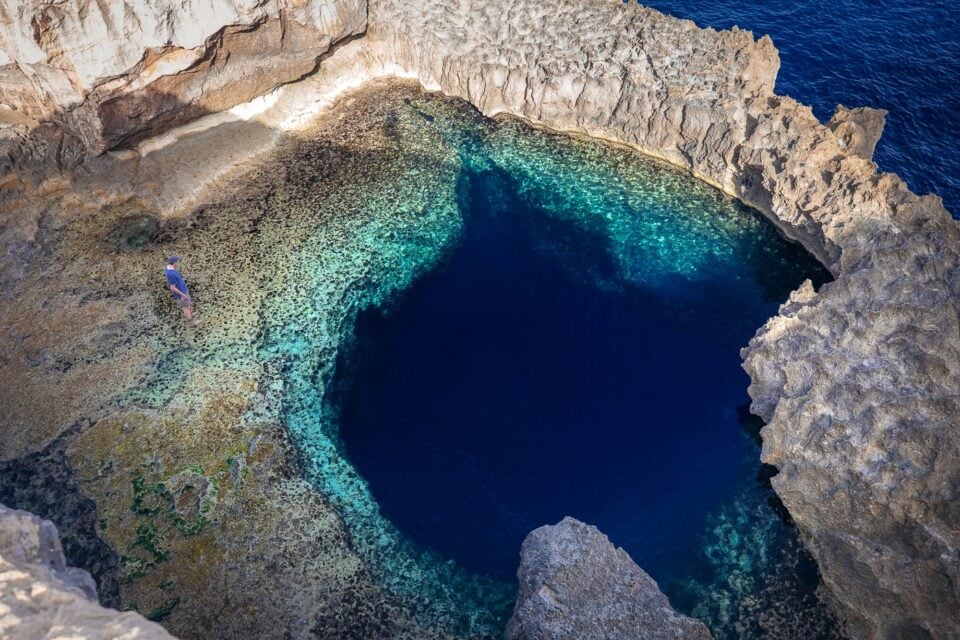
The money shot most operators post: the boat's bow lined up on the Blue Hole's edge as the water shifts from pale shallows to near-black depth in one frame. Stand at the bow rail as the captain slows to moor, since this is the only moment the full color gradient lines up dead ahead.
Snorkeling here on a belize blue hole snorkeling tours itinerary puts you at the lip of a sheer coral wall that plunges from a few meters to open blue, with reef sharks and eagle rays often visible along the ledge. Stay on the shallow shelf near the mooring line rather than crossing over the drop, since currents strengthen past the wall edge.
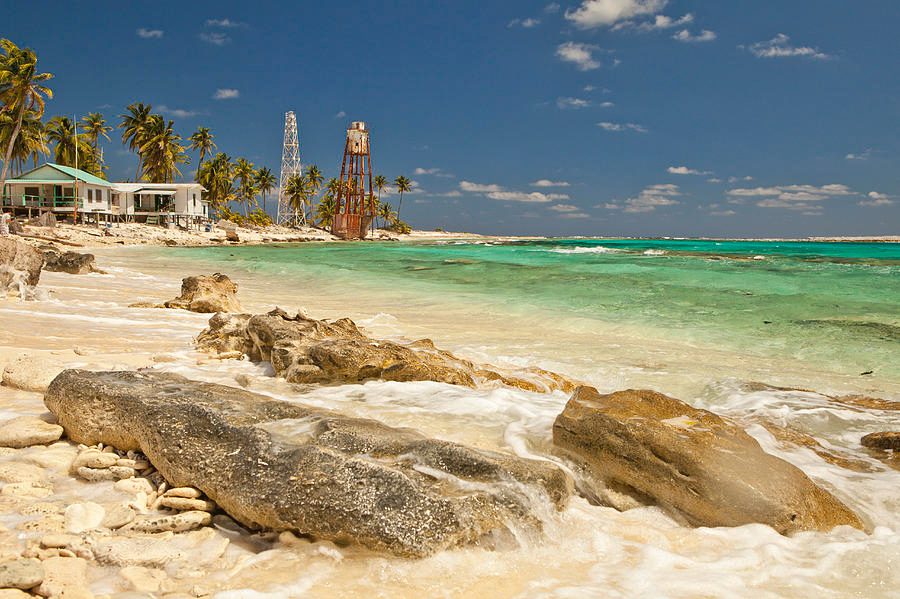
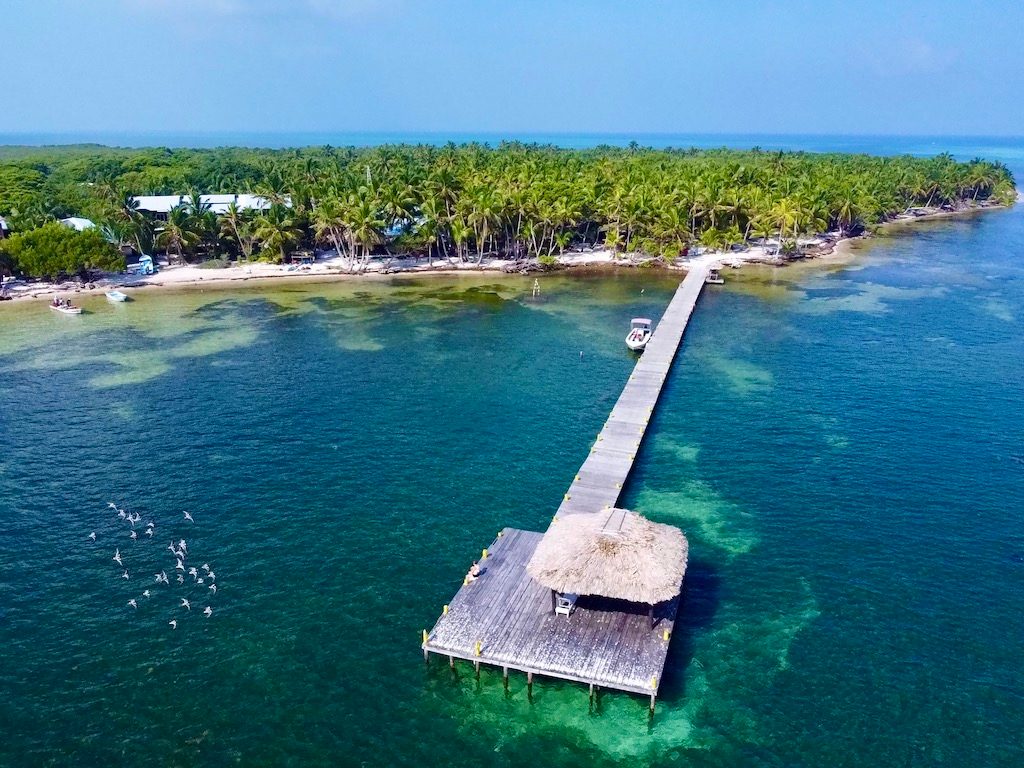
A land-based angle from the caye's lighthouse clearing, looking back over the beach and palm line toward the atoll's turquoise flats. It's a short walk from the ranger station boardwalk and works well as a break-point shot between snorkel stops.
At sea level, the rim itself shows as a sudden color wall where the shallow reef plate drops into the sinkhole, best framed by floating just past the mooring buoys and looking down along the limestone ledge. This is where most visitors get their only in-water photo of the hole's true depth contrast.
Belize blue hole snorkeling tours involve a long open-ocean boat crossing before kids even see the water, so this is a full-day adventure for strong swimmers rather than a casual beach stop. Families should think of it as one big excursion day, not a stroll-in attraction.
Not applicable — there's no dock, walkway, or paved surface at the site itself; guests transfer directly from boat to water, so strollers and wheelchairs stay on the mainland.
Most operators set a minimum age (commonly around 8-10) and require kids to be confident, comfortable swimmers, since the hole itself is deep with limited shallow snorkeling area around the rim.
No baby-change tables, restrooms, or shade structures exist at the Blue Hole; the boat is the only base, so pack diapers, wipes, and sun cover accordingly.
Budget the better part of a day: 2-3 hours each way by boat plus time in the water, so younger kids can tire or get seasick on the long crossing.
Bring snacks and water onboard, as there's nowhere to buy food once you leave the mainland dock; most Belize Barrier Reef tour boats include a simple lunch stop at a nearby caye.
If seas are too rough for a comfortable belize blue hole snorkeling tours tour with young children, ask operators about a shorter reef snorkeling tours option closer to Caye Caulker or Ambergris as a calmer backup.
The Blue Hole Natural Monument sits far offshore on Lighthouse Reef Atoll, so there is no restaurant, café, or vendor of any kind at the site itself — anyone joining belize blue hole snorkeling tours eats what the boat brings. Meals are built into the charter and served on deck or on a nearby caye between dive stops.
Most Lighthouse Reef charters grill snapper or grouper fresh on board or on a sandbar stop, served with rice and beans and coleslaw. It's the standard midday meal on a full-day belize blue hole snorkeling tours tour and usually comes right after the Half Moon Caye stop. Crowded seating on deck at peak lunch hour, so grab a spot early.
Sliced watermelon, pineapple, and papaya are typically laid out alongside the main lunch for a lighter option. Good for a quick bite if you're prone to seasickness and want to avoid heavier food.
Many operators serve a welcome or post-dive rum punch or fruit juice once snorkeling wraps up. Not suited to those diving again same day given local rules on alcohol before dives.
There are no snack stands, cafés, or shops at the Blue Hole itself or on Lighthouse Reef Atoll, so packing anything beyond what the boat provides is not an option once underway.
Everything you need to know for your journey
The Blue Hole Natural Monument is open daily from 08:00 to 16:00, and Belize Blue Hole snorkeling tours schedule departures early to match this window.
The Blue Hole Natural Monument park fee is 80 BZD per person, collected on-site by the Belize Audubon Society.
The best arrival window is between 08:00 and 10:00, when water is calmest and visibility is clearest before afternoon winds pick up.
No, the site has no piers, ramps, or platforms, and entry requires climbing down a boat ladder directly into open water, which makes it difficult for visitors with mobility limitations.
Prohibited items include spearfishing gear, coral or shell collecting, glass containers, single-use plastic bags, and non-reef-safe sunscreen among others.
Yes, personal cameras and GoPros are allowed at no extra charge, though drone use requires advance permission from the Belize Audubon Society.
Wear a swimsuit under quick-dry clothing, since there are no changing facilities and snorkelers enter the water directly from the boat.
Snacks and water are usually provided by the tour boat, since the Blue Hole Natural Monument itself has no vendors or restaurant on-site.
Most Belize Blue Hole snorkeling tours depart by boat from Belize City, San Pedro, or Caye Caulker, since there is no road access to the atoll.
Children are welcome on most Belize Blue Hole snorkeling tours if they are comfortable swimming in open water, and operators commonly set a minimum age around 8 to 12 years old.
Cancellation windows vary by operator, but many allow a full refund or free rescheduling when cancelled 24 to 48 hours before departure.
Half Moon Caye Natural Monument, known for its red-footed booby colony, is commonly combined with Belize Blue Hole snorkeling tours on the same day trip.
A protected caye within Lighthouse Reef Atoll known for a red-footed booby colony and white sand beach.
A small island within the atoll used as a base camp for some dive operators visiting the Blue Hole.
The outer atoll that encloses the Blue Hole Natural Monument and several smaller cayes.
A UNESCO World Heritage Site and the second-largest barrier reef system in the world, stretching along the Belize coast.
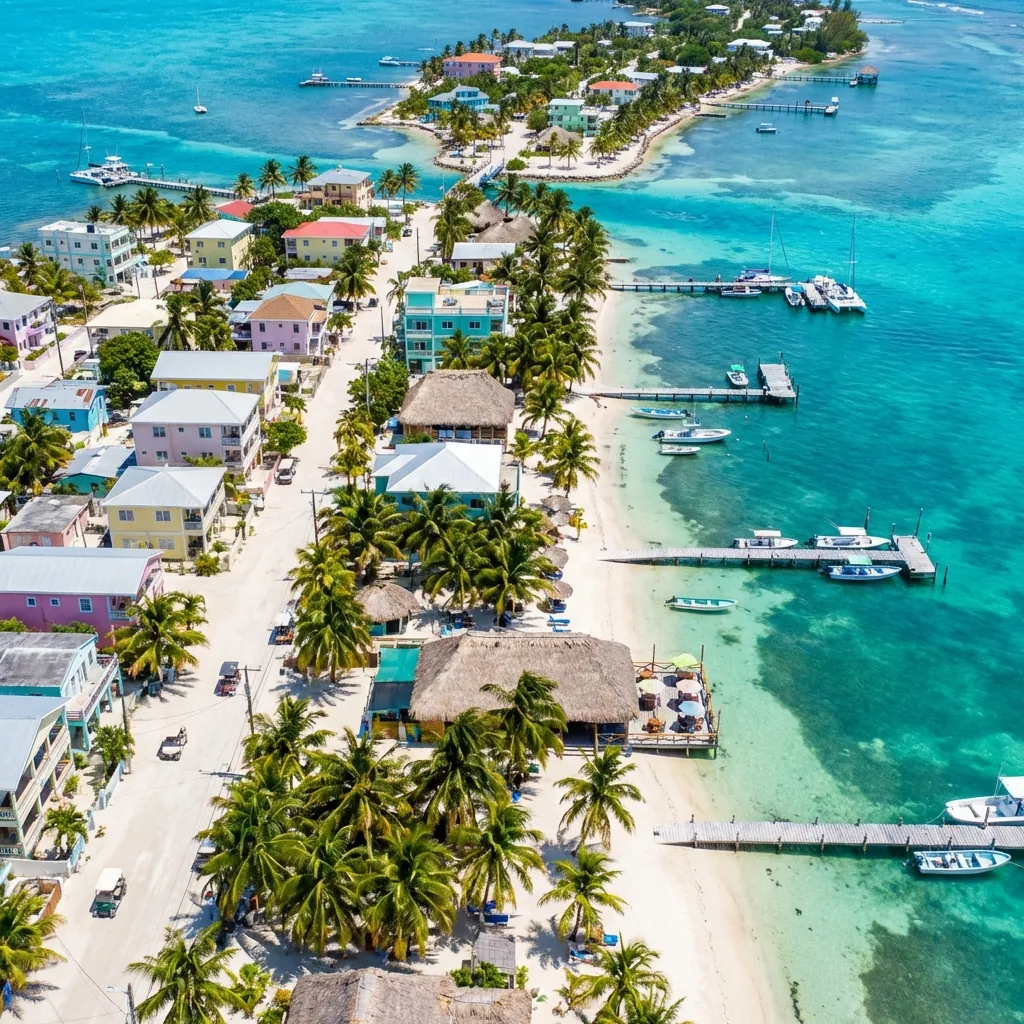
A low-key island base with guesthouses and small hotels near the marina used for Blue Hole boat tours.
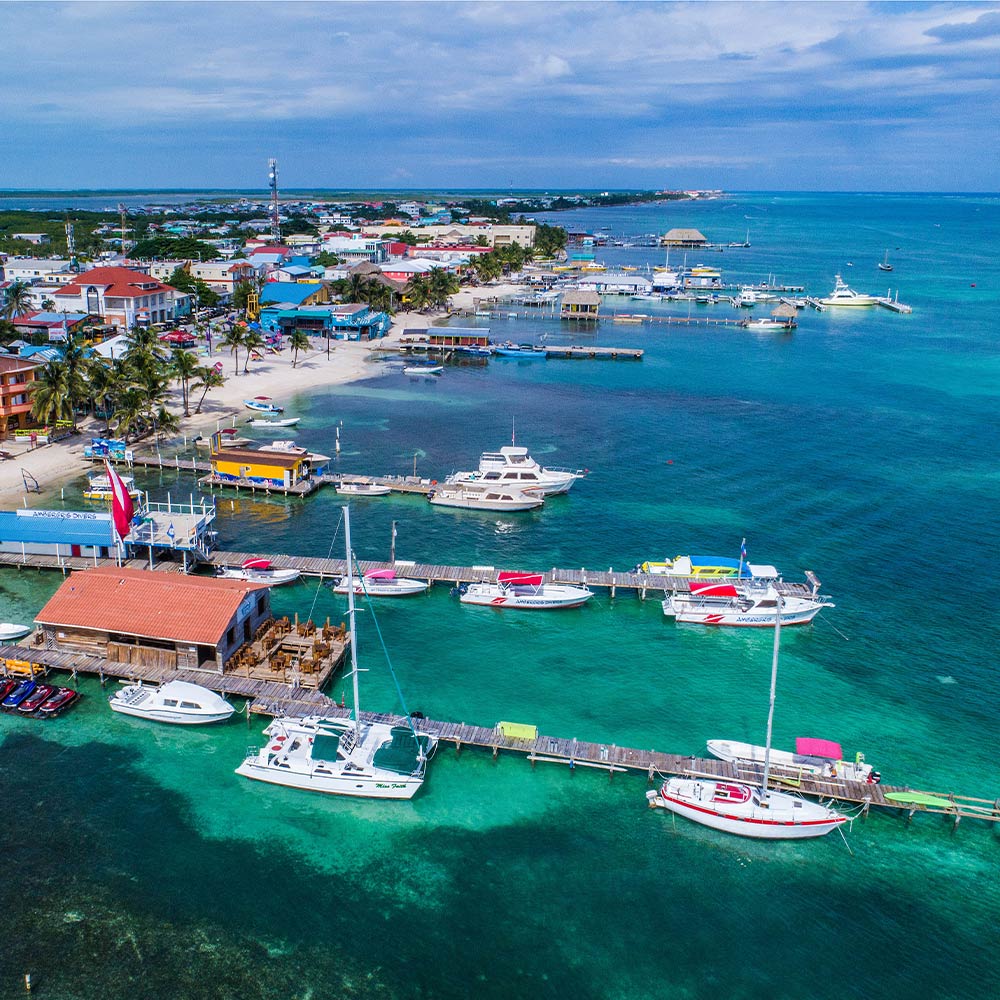
A more developed island town with a range of hotels close to the main dock used for Lighthouse Reef Atoll departures.
Hotels near the Belize City marine terminal offer convenient early-morning access for Blue Hole boat departures.
Join thousands of happy travelers who have discovered this incredible experience
Book Your Experience Now