6 hr
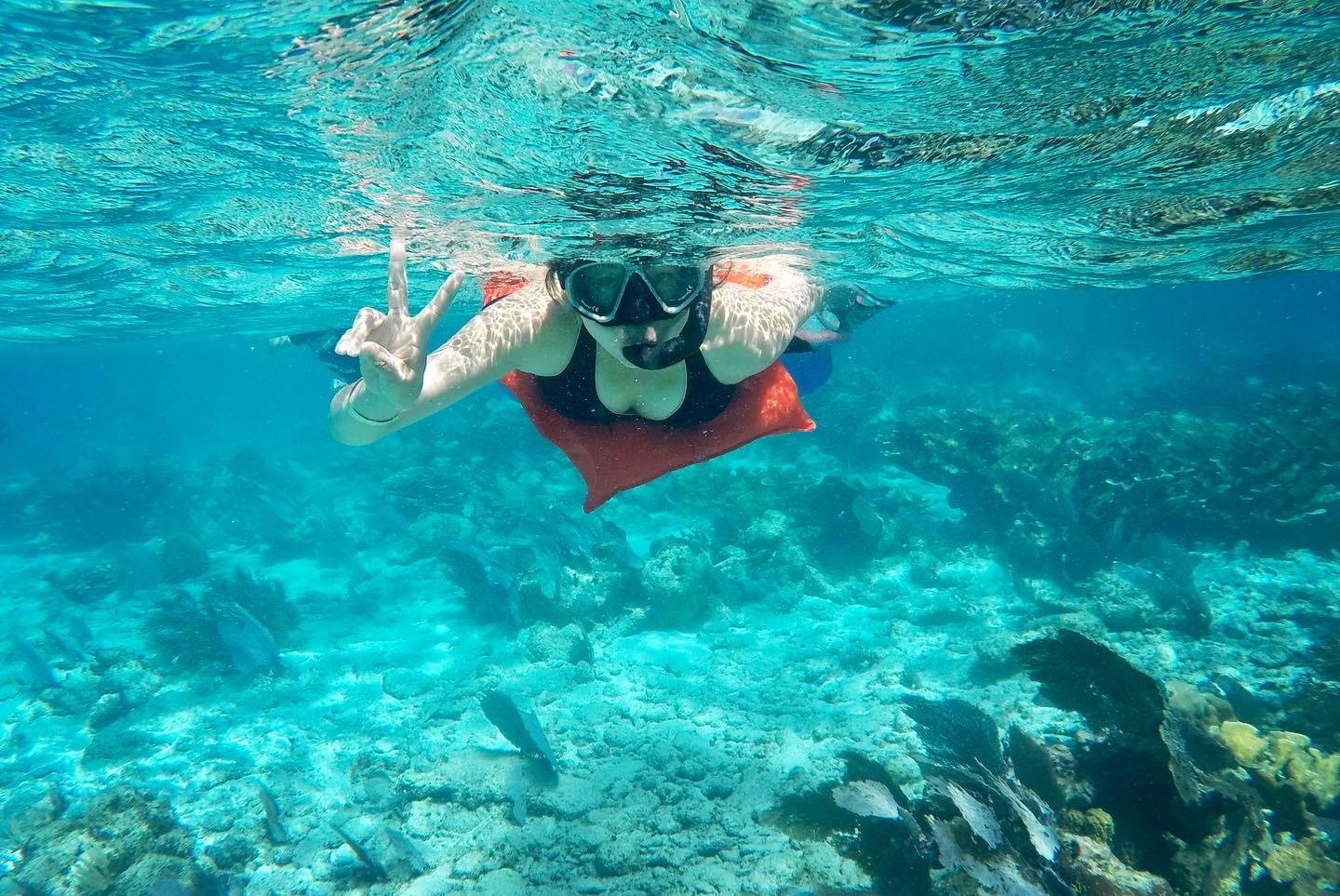
Belize Barrier Reef 7-Stop Snorkeling Adventure
- Expert local guide
- Small group
- Skip-the-line access
- Free cancellation
Belize Barrier Reef Snorkel Tours — Shore Excursions from Port
World Heritage coral gardens, gentle nurse sharks, swift return before departure
Compare fares, pick the fit — all bookings are mobile-voucher and eligible for free cancellation where shown.
6 hr
3 hr
3 hr
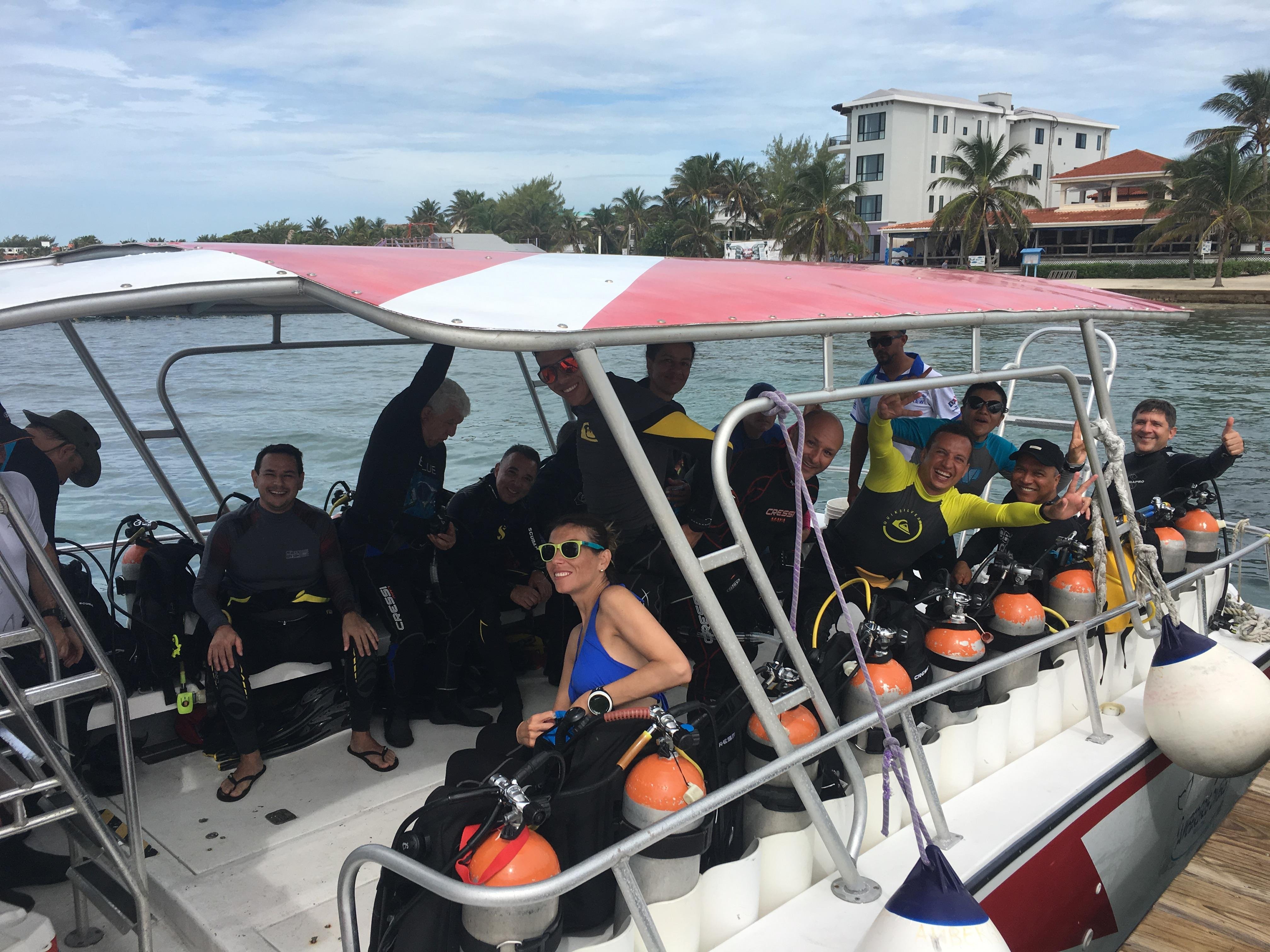
Cruise passengers picking belize snorkel tours for cruise ship excursions need to weigh time in port against how much reef they want to cover, since the Hol Chan/Shark Ray Alley trip, the 7-Stop Reef Adventure, the Two-Tank Scuba Expedition, and the Silk Cayes full-day outing sit at very different lengths and intensities.
| Hol Chan & Shark Ray Alley 3-hour snorkel |
Top pick 7-Stop Reef Adventure 6-hour extended snorkel |
Two-Tank Scuba Expedition certified/intro dives | |
|---|---|---|---|
| Duration | 3 hours | 6 hours | 4-5 hours |
| Stops/sites visited | 2 sites (Hol Chan cut, Shark Ray Alley) | 7 sites across reef and channel | 2 dive sites |
| Snorkel vs scuba | Snorkel | Snorkel | Scuba |
| Best for cruise time window | Half-day port calls, short stops | Full-day port calls only | Half to full-day port calls |
| Physical intensity | Low | Moderate, longer time in water | Moderate to high, gear and buoyancy skills |
| Price tier | Entry-level | Mid-range | Higher tier, includes gear |
| Best for | First-timers with limited port hours | Reef-focused first-timers with a full day | Certified divers or PADI intro-course takers |
| See tickets & prices |
Worth it for active snorkelers with time
Belize snorkel tours for cruise ship passengers deliver solid value if you prioritize marine life over beach time. The mandatory 10 USD Hol Chan Marine Reserve conservation fee applies to most tours, with full packages running 65–130 USD depending on stops and duration. You're paying for access to the world's second-largest barrier reef system, nurse shark encounters at Shark Ray Alley, and sea turtle sightings—experiences landlocked excursions can't match. The catch: transit eats 90 minutes round-trip from the port to Ambergris Caye or Caye Caulker, leaving 2–3 hours in-water on a 5–6 hour total commitment. Tours departing 08:00–09:00 dodge midday crowds and afternoon chop, critical when your ship sails at 16:00. If you're comfortable in open water and won't stress about tight return windows, belize snorkel tours for cruise ship schedules work. Nervous swimmers or families wanting beach flexibility should weighshore alternatives—the reef isn't forgiving for hesitant snorkelers, and rough morning seas occasionally force cancellations.
Bottom line: Strong pick for confident snorkelers who value rare marine encounters over relaxed beach days, provided you book the earliest departure and budget the full shore window.
Most cruise passengers doing belize snorkel tours for cruise ship excursions rate Hol Chan and Shark Ray Alley the more rewarding stop, since the marine reserve's cut and channel concentrate more species in a smaller area than Caye Caulker's split reserve zones.
|
Top pick Hol Chan / Shark Ray Alley |
Caye Caulker Marine Reserve | |
|---|---|---|
| What you see underwater | Coral cut, nurse sharks, rays, groupers | Seagrass flats, reef fish, occasional turtles |
| Boat ride distance | 20-30 min from San Pedro | 45-60 min from cruise port |
| Wildlife encounters | Nurse sharks and stingrays close-up | Turtles and reef fish, fewer large species |
| Crowd levels | Busy midday with cruise groups | Lighter, fewer tour operators |
| Duration | Half-day, 3-4 hours typical | Half-day, 3-4 hours typical |
| Price | 10 USD conservation fee plus tour cost | Comparable reserve fee plus tour cost |
| See tickets & prices |
Verdict: Hol Chan and Shark Ray Alley deliver denser wildlife encounters in a shorter boat ride, while Caye Caulker offers a calmer, less crowded reef for visitors willing to travel farther.
Hand-picked experiences loved by thousands of travelers
3 hours 30 minutes
Free Cancellation
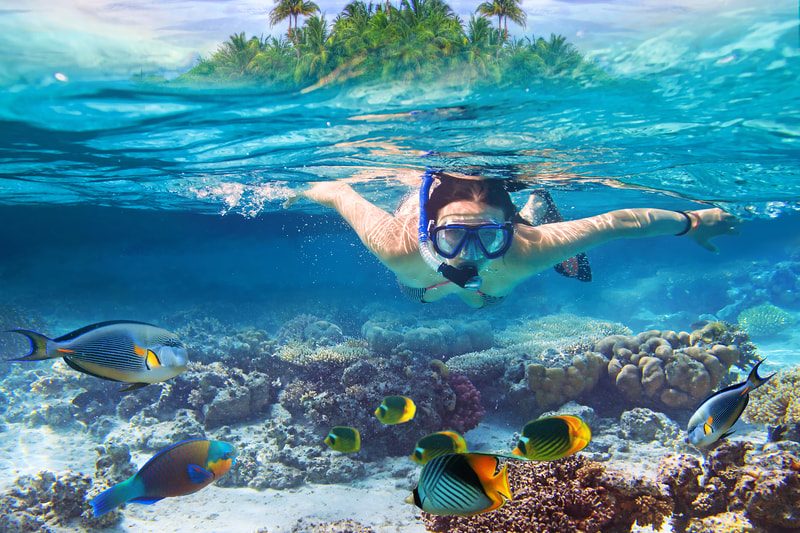
Dive into Belize's underwater paradise with nurse sharks, stingrays, and vibrant coral reefs
4 hours 30 minutes
Free Cancellation
Swim with nurse sharks and rays, explore coral reefs, then unwind with ceviche as the sun sets over Belize
4 hours
Free Cancellation
Dive twice into Belize's crystal-clear Caribbean waters and encounter vibrant coral gardens teeming with marine life.
6 hours 30 minutes
Free Cancellation
Swim with sharks and rays, explore coral reefs, and unwind at one of Belize's most beloved beach spots
Full day (approximately 6-7 hours)
Free Cancellation
Dive into Belize's barrier reef waters to swim alongside sea turtles, rays, and reef sharks at pristine coral islands
7 hours
Free Cancellation
Discover Belize's underwater paradise with nurse sharks, rays, and vibrant coral at this UNESCO site
12 hours
Free Cancellation
Luxury SUV transfer, boat ride to secluded Sapolitos Cays, snorkeling, island lunch, and local immersion
3 hours
Free Cancellation
Half-day aquatic journey through pristine coral gardens, swimming with rays and hand-feeding tarpon
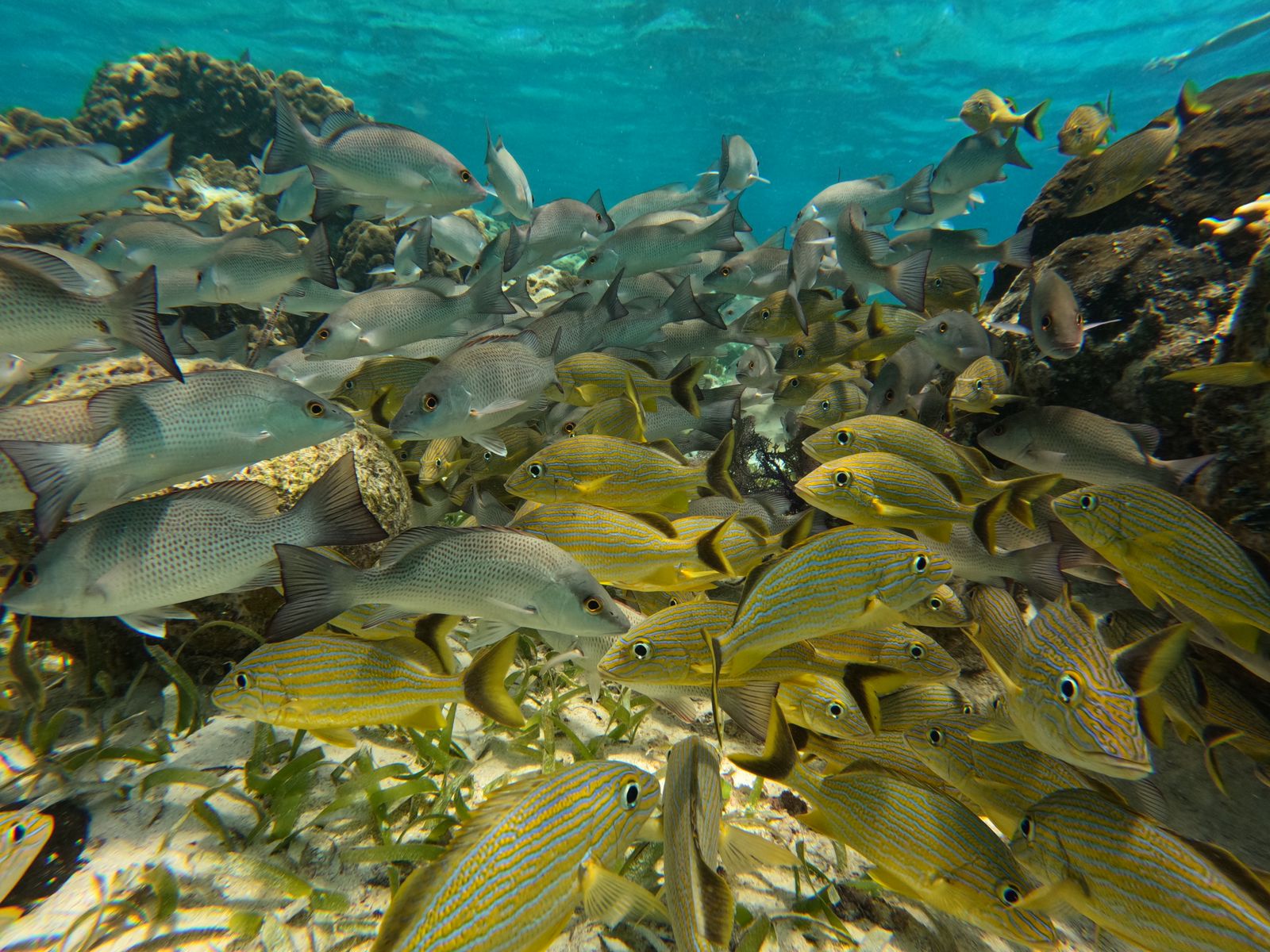
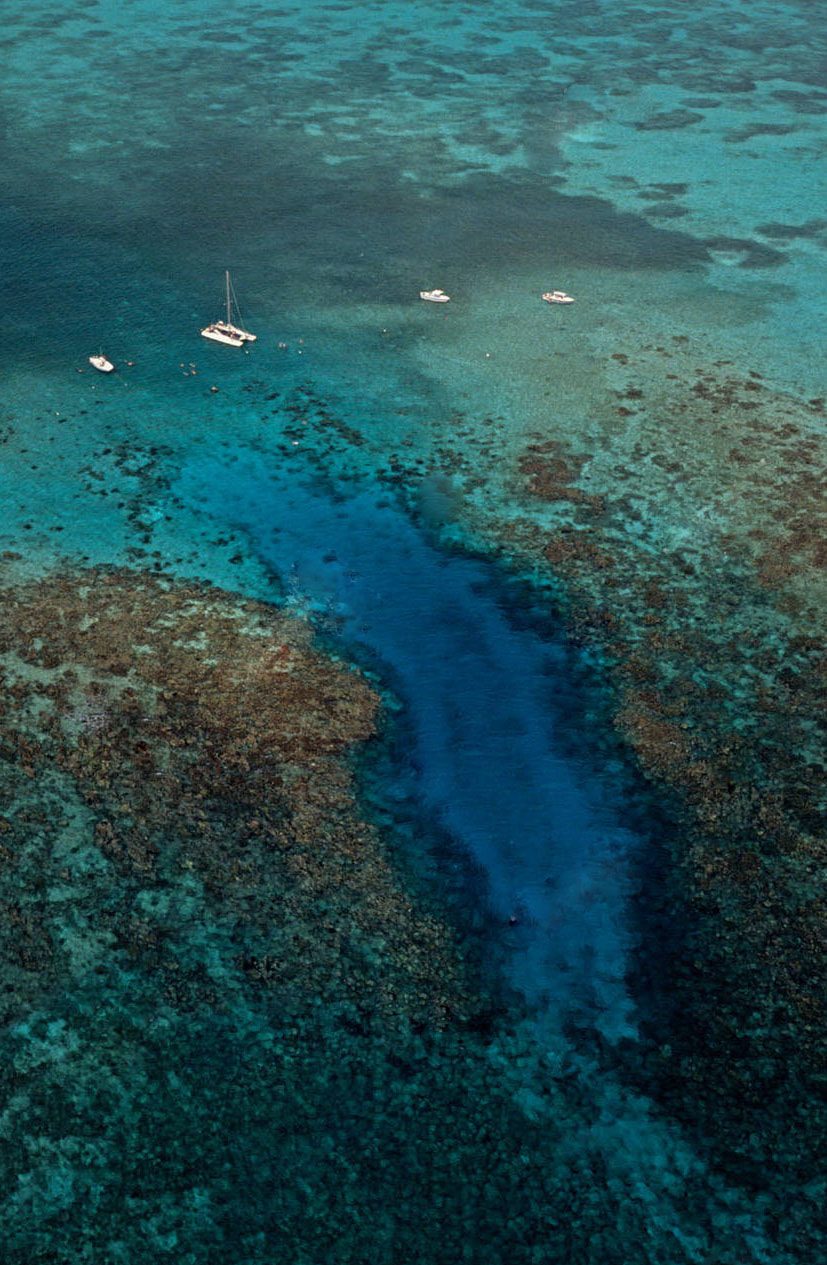
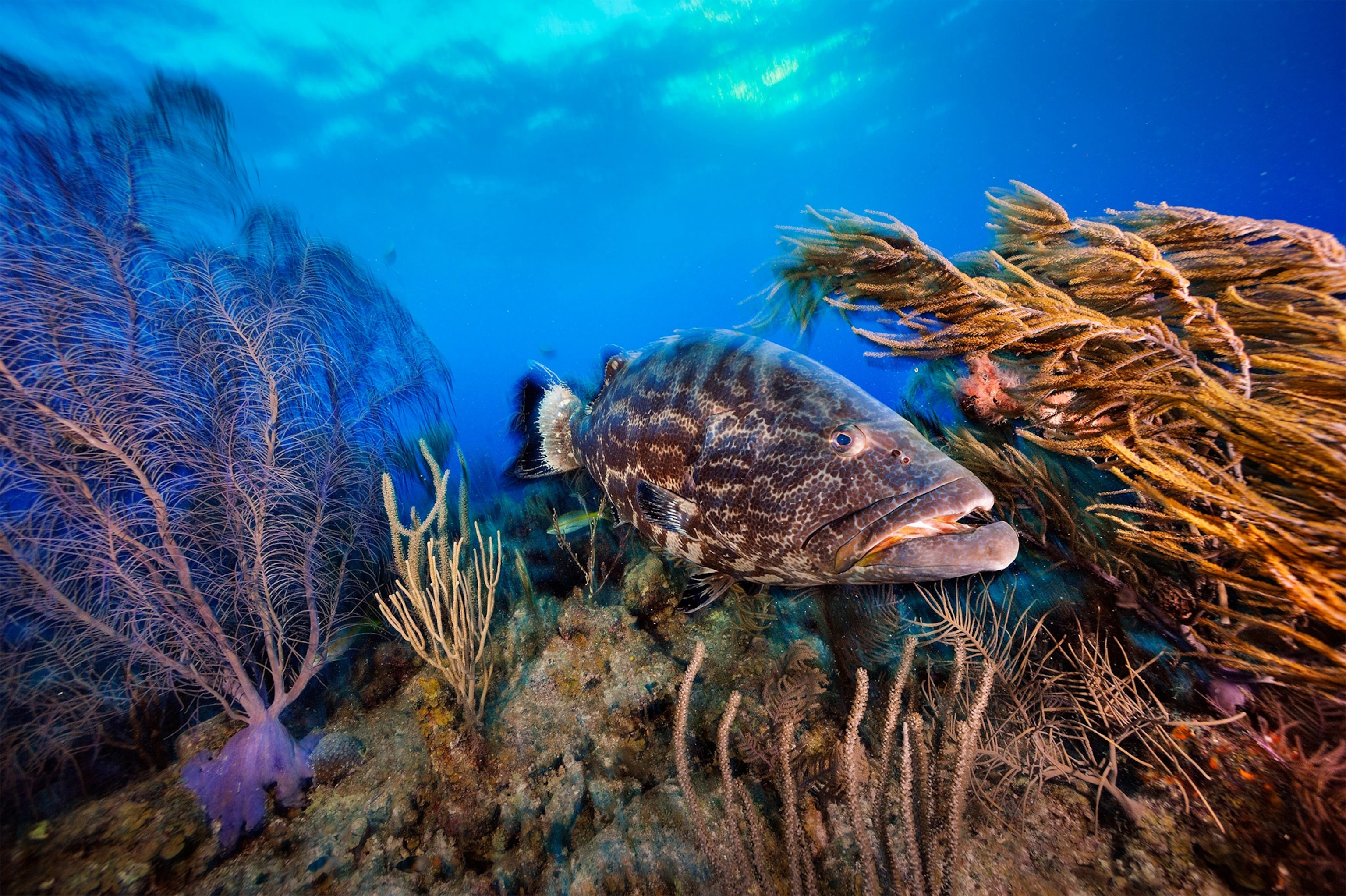
A narrow natural cut through the reef reaching depths of about 30 feet, home to groupers, moray eels, and schools of snapper. It gives the reserve its name, as "Hol Chan" means "little channel" in Yucatec Maya.
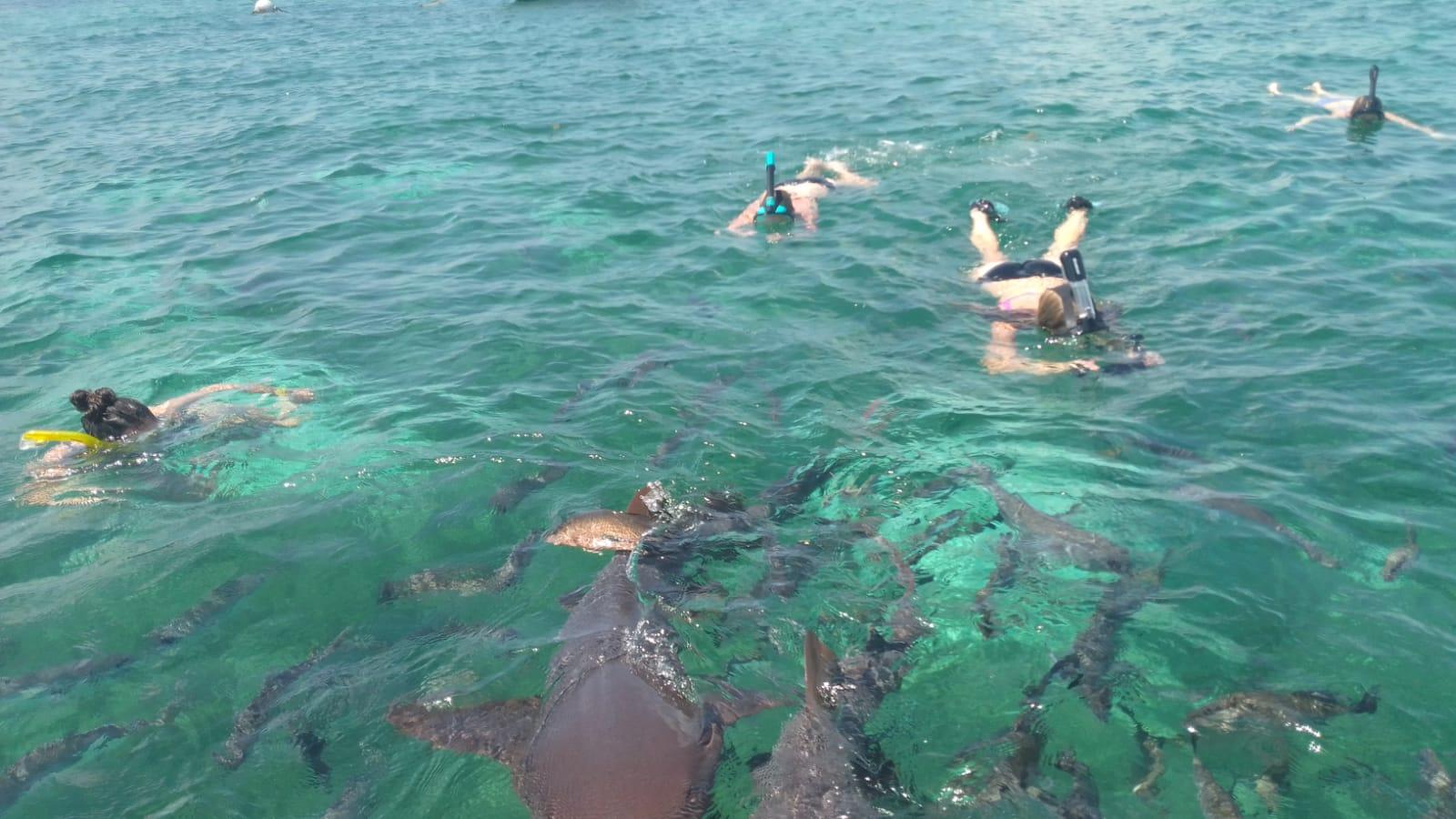
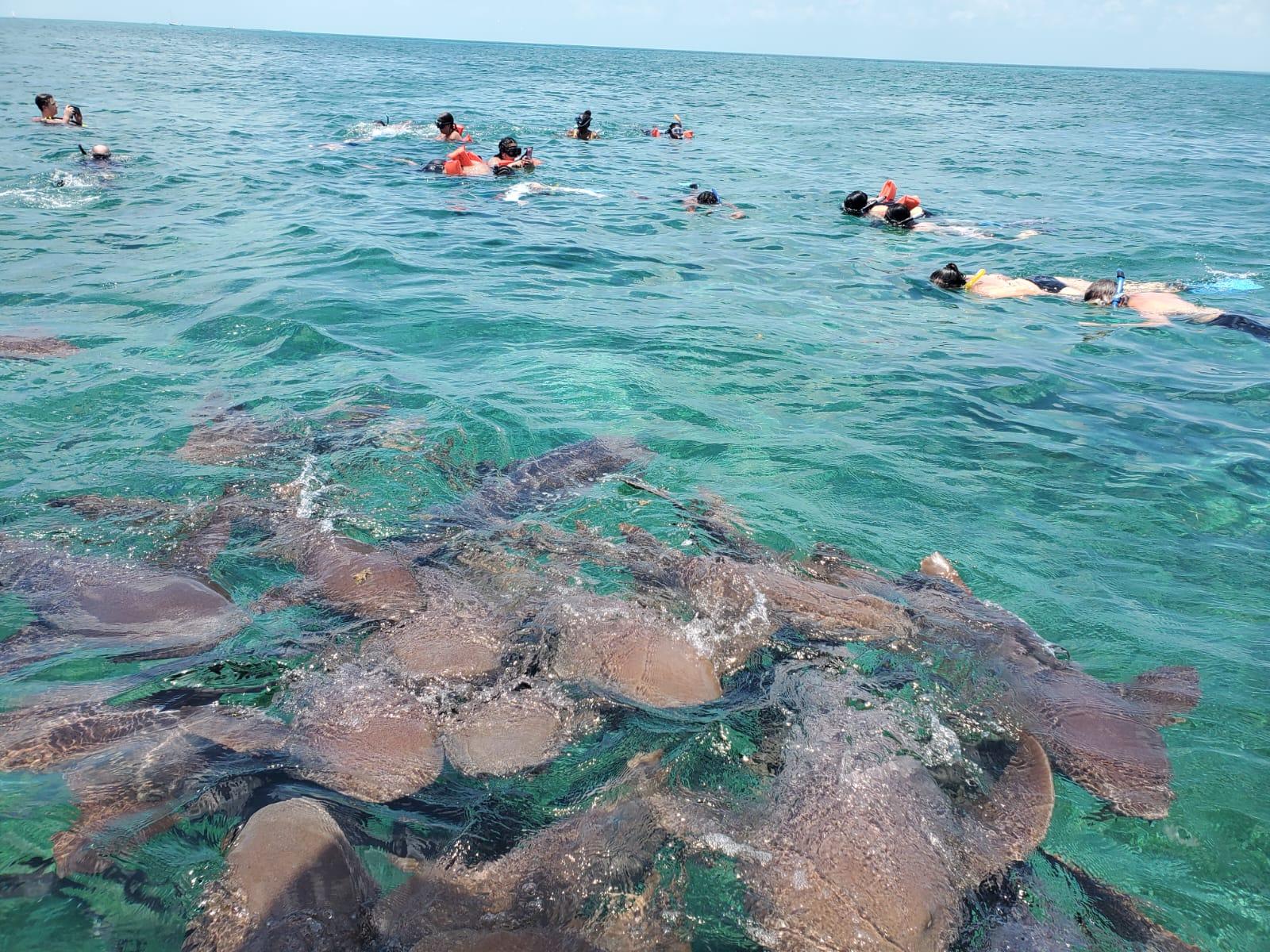
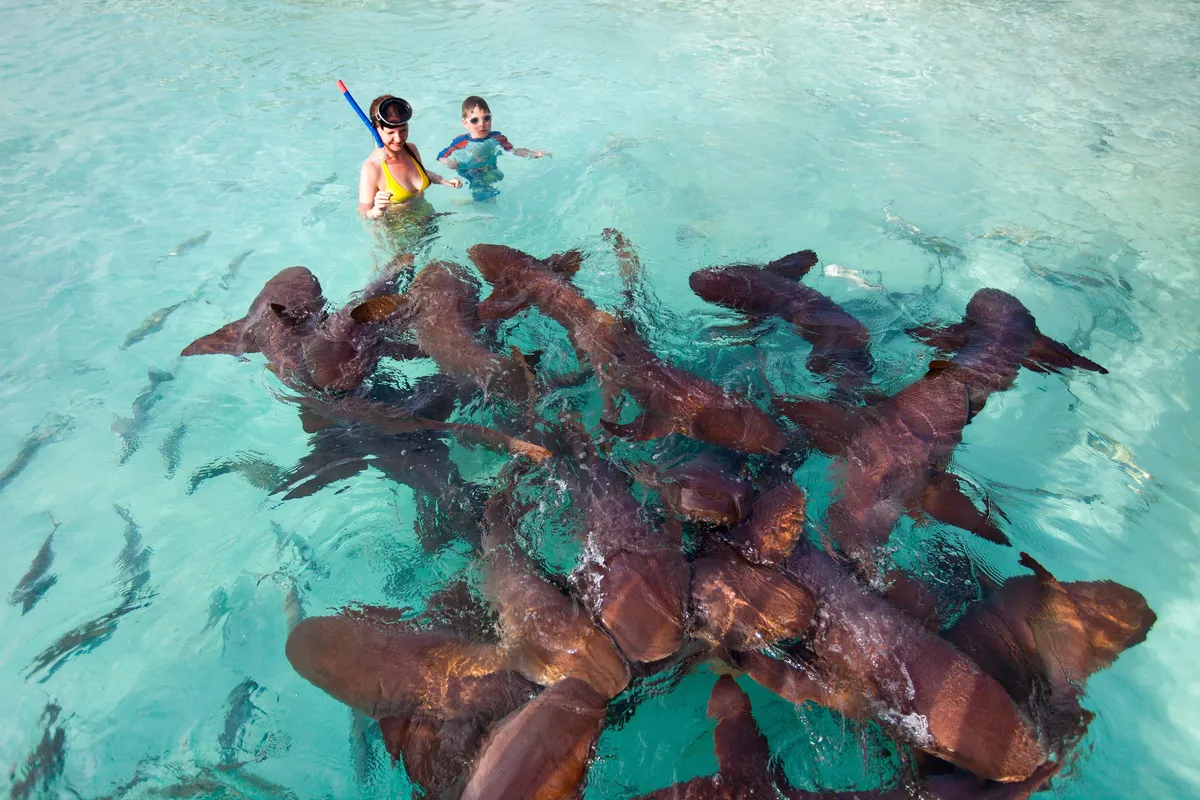
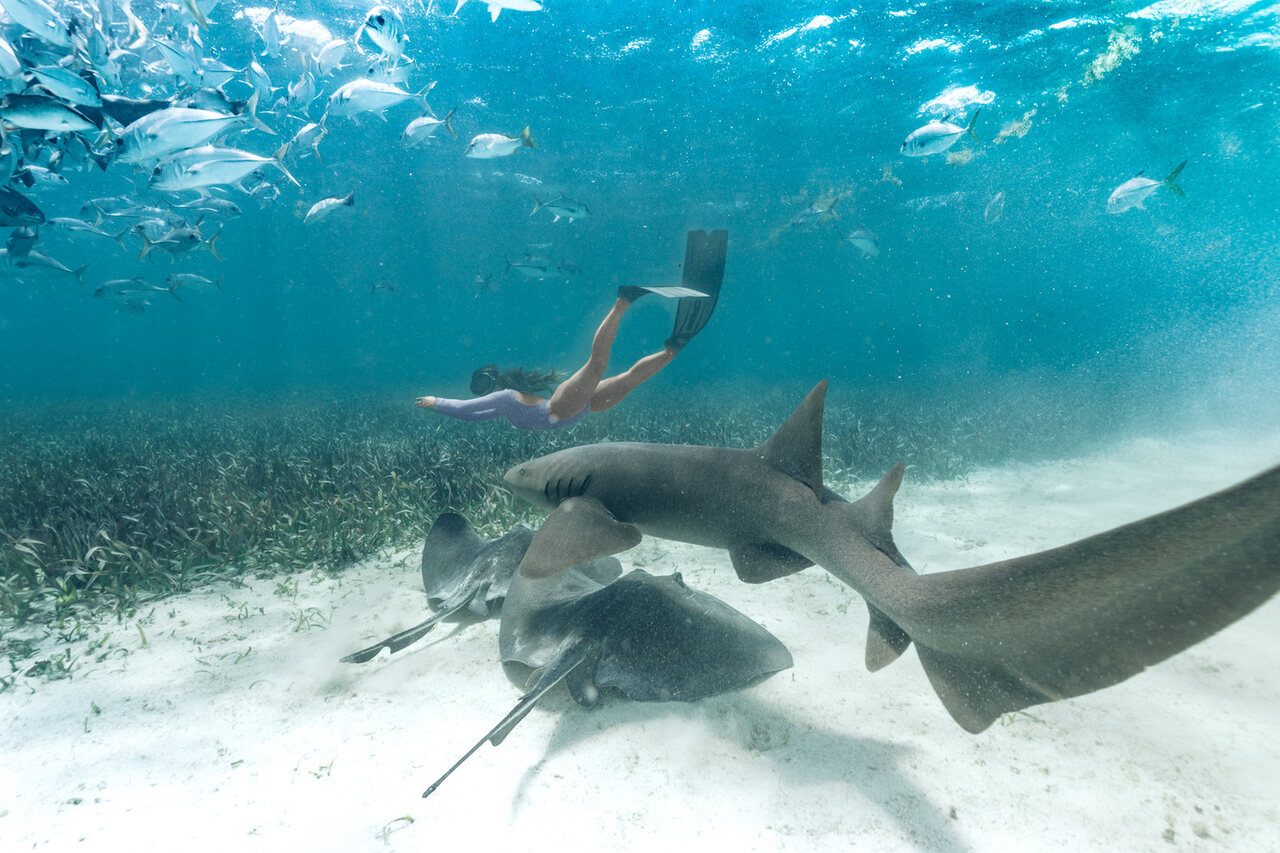
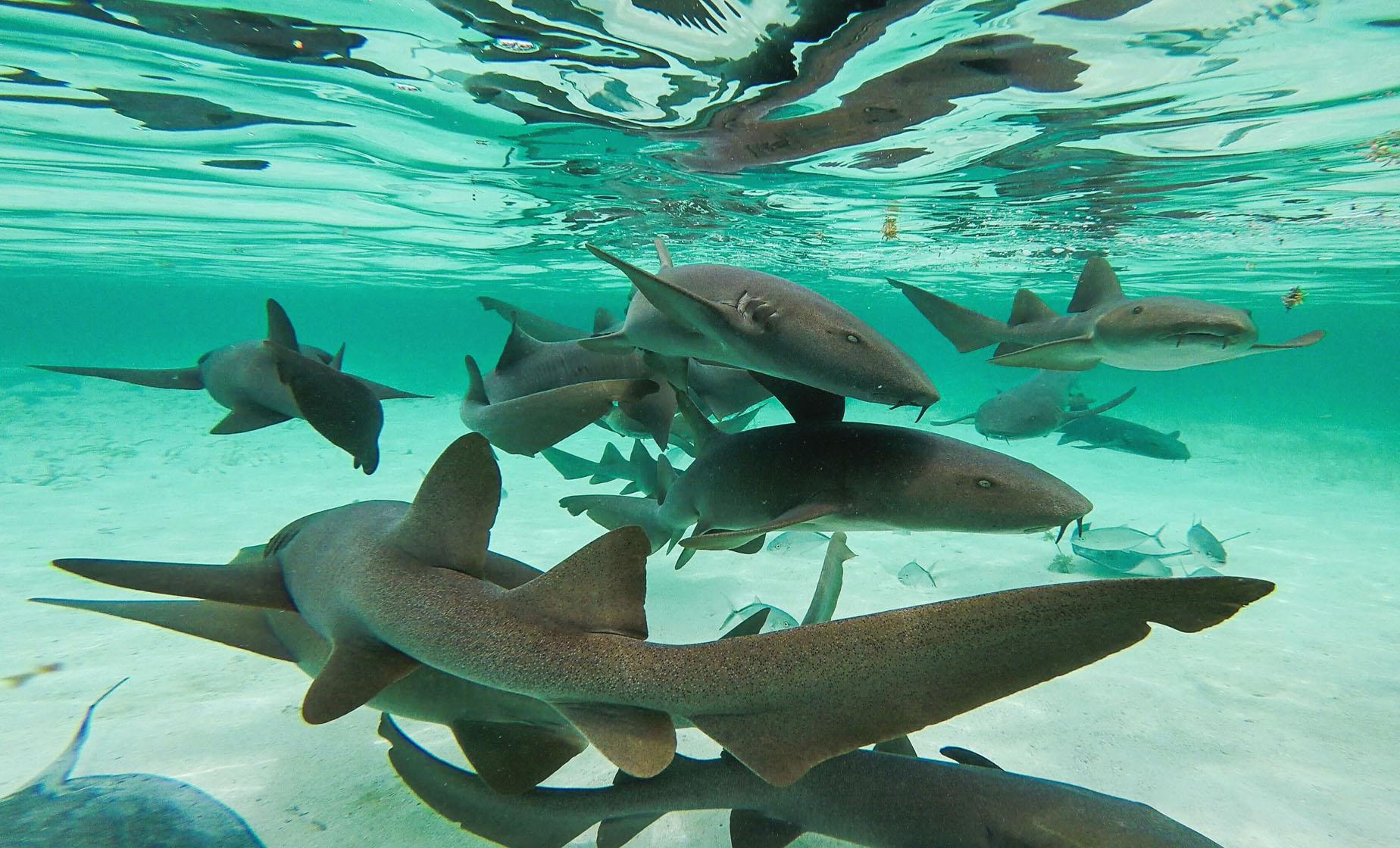
A shallow sandbar zone within the reserve where nurse sharks and southern stingrays congregate, originally drawn by fishermen cleaning their catch decades ago. Depths here rarely exceed 10 feet, making it accessible to first-time snorkelers.
A section of Hol Chan dense with elkhorn and brain coral formations, established as part of Belize's first marine protected area in 1987. Visibility here often exceeds 60 feet on calm days.
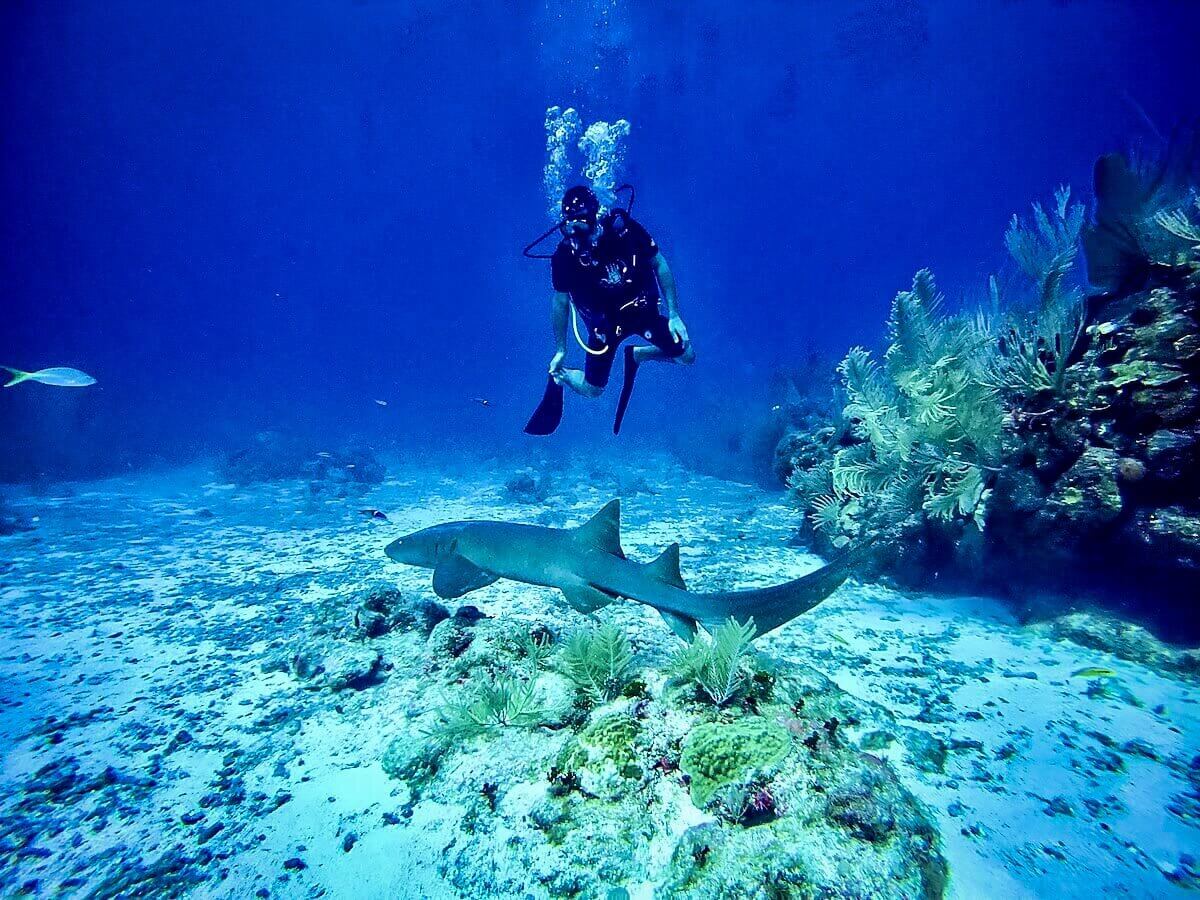
A deeper sinkhole-like feature near the reserve boundary, popular with divers for its dramatic drop-off and larger pelagic sightings. The site connects the shallow reef flats to open ocean waters.
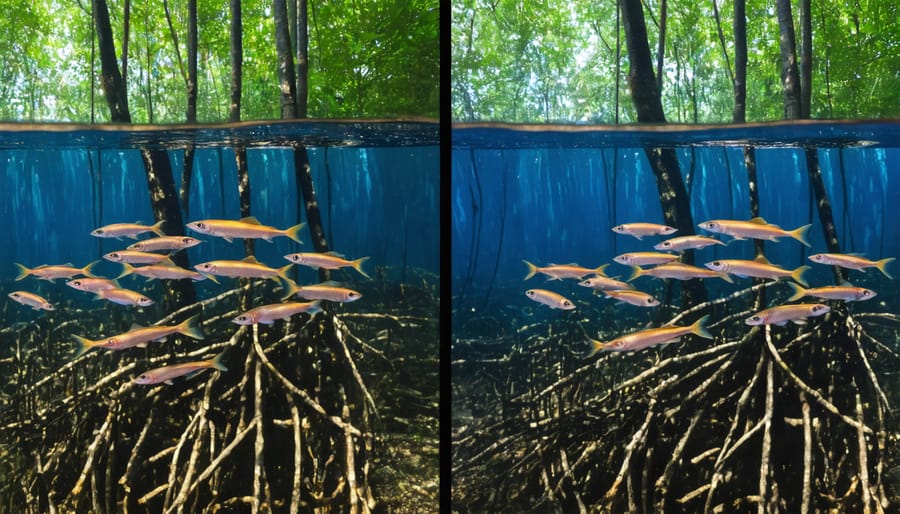
A protected mangrove-lined area within Hol Chan that serves as a nursery for juvenile fish and lobster before they move to the reef. Roots here filter sediment and stabilize the shoreline against erosion.
All the details about your upcoming adventure in one place
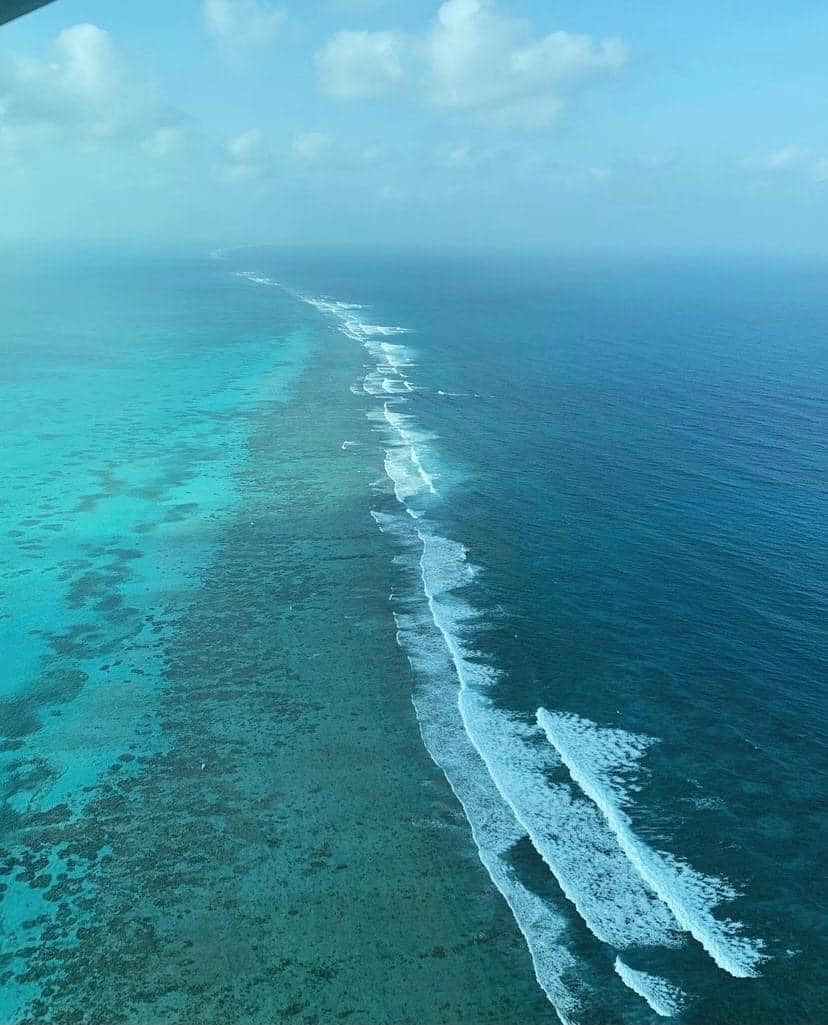
The Belize Barrier Reef stretches 300 kilometers along the coast, making it the second-longest coral system in the world and a UNESCO World Heritage Site since 1996. Charles Darwin surveyed these waters aboard the HMS Beagle in 1842, calling them "the most remarkable reef in the West Indies."
Within this vast marine corridor, Hol Chan Marine Reserve occupies just five square kilometers yet concentrates the barrier's richest biodiversity into a network of shallow cuts and channels named for the Mayan phrase "little channel."
Belize snorkel tours for cruise ship passengers arriving at the Tourism Village in Belize City or Fort Street in downtown prioritize Hol Chan and the adjacent Shark Ray Alley feeding zone, both accessible by a 45-minute water taxi ride from San Pedro. The reserve was established in 1987 to protect elkhorn and staghorn coral formations that reach within two meters of the surface, creating ideal conditions for visitors with limited open-water experience. Tour operators structure itineraries around port schedules, with most excursions departing between 08:00 and 10:30 to exploit calmer morning conditions and return passengers by early afternoon.
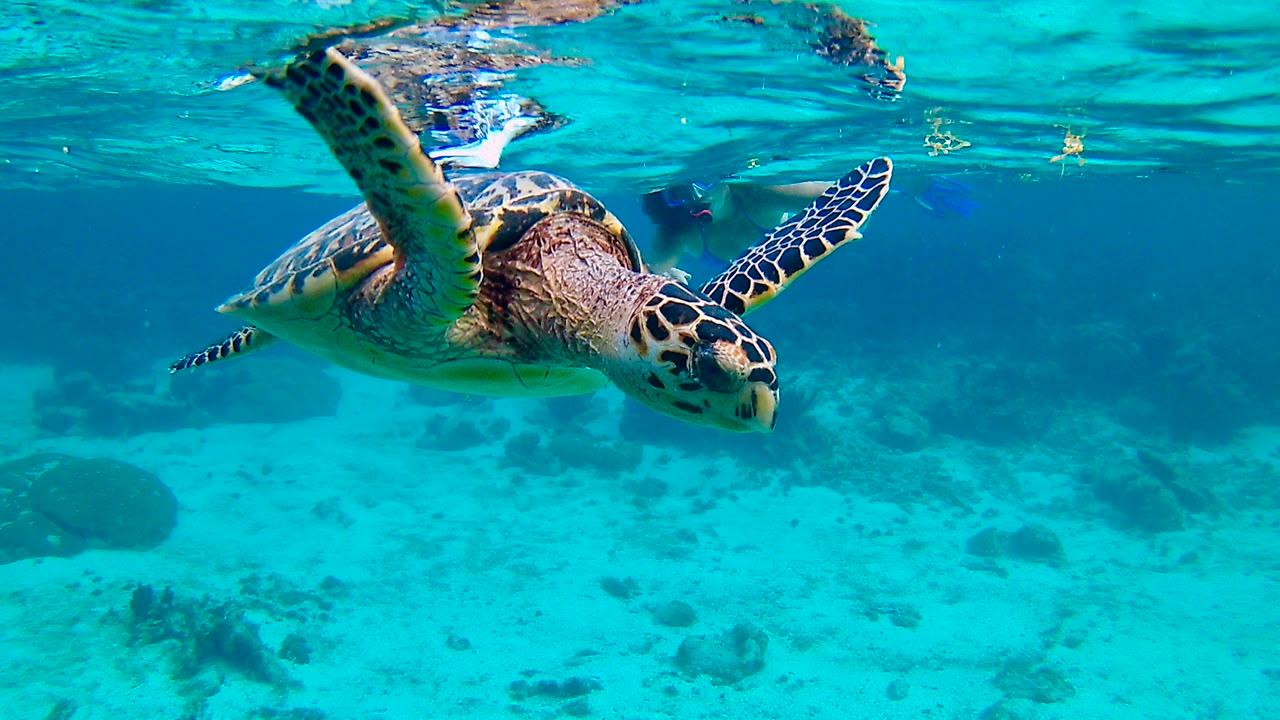
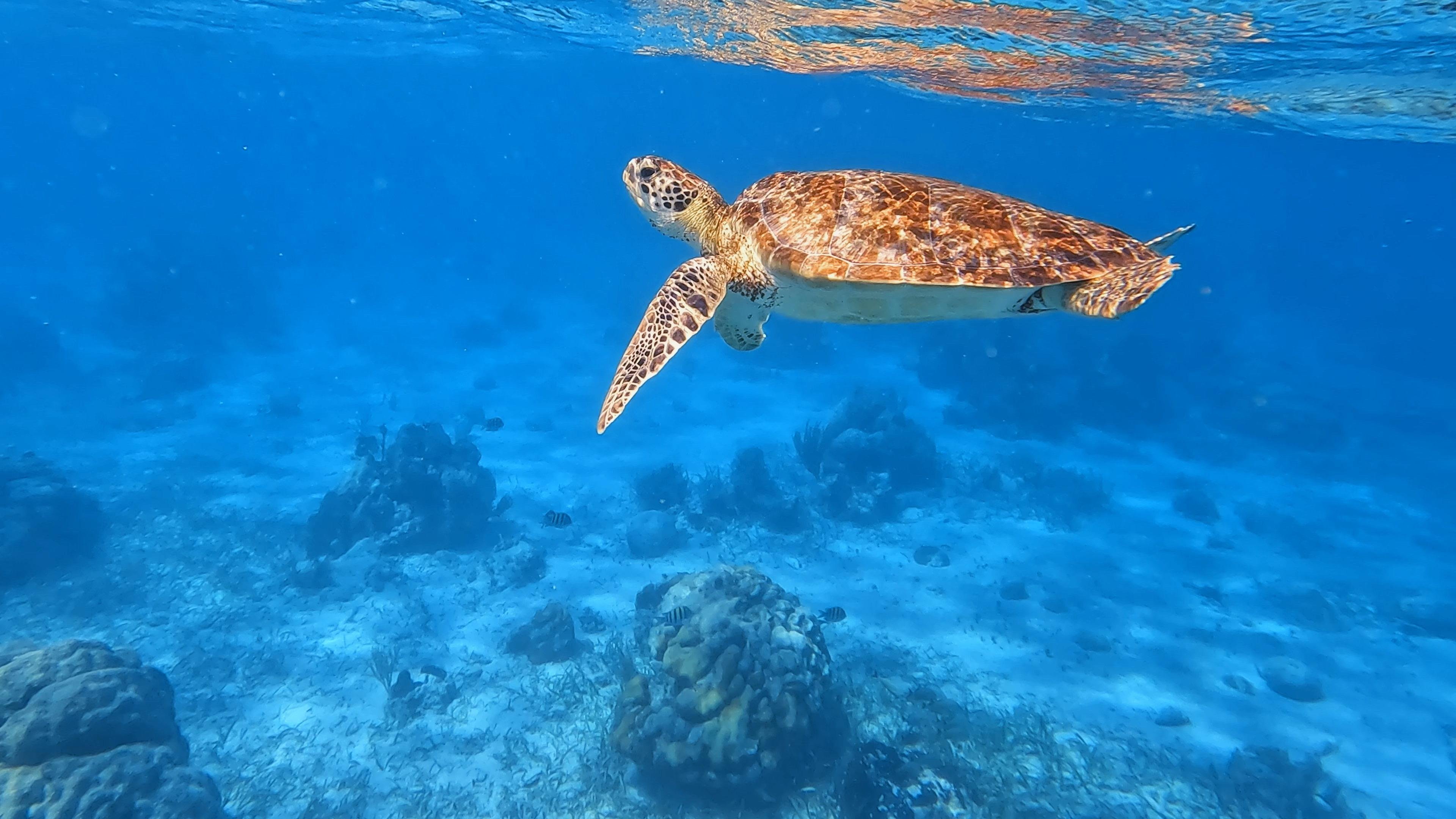
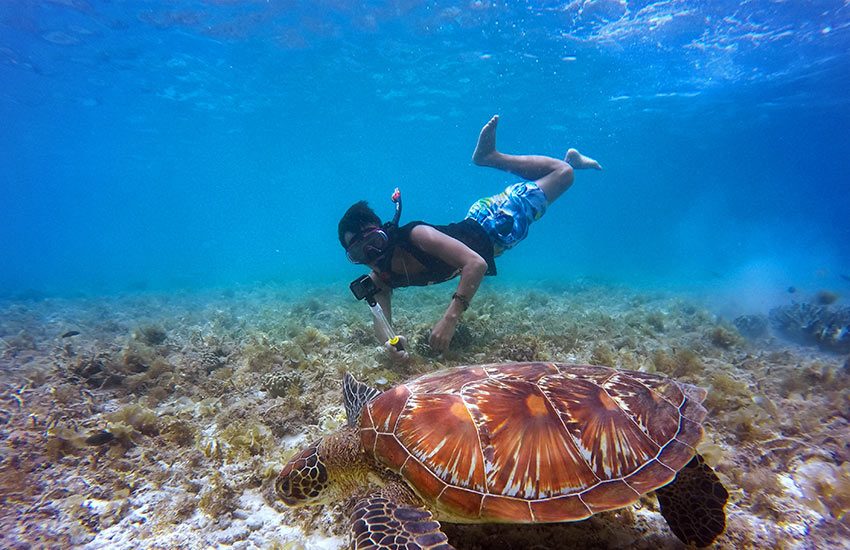
The reserve's geographic advantage lies in its position at the southern tip of Ambergris Caye, where the barrier reef breaks into a series of coral-lined channels that funnel nutrients and marine traffic. Green sea turtles graze on turtle grass beds in the shallows, southern stingrays glide over sand flats, and nurse sharks—docile bottom feeders reaching two meters in length—gather in predictable aggregations at Shark Ray Alley. These congregations began decades ago when fishermen cleaned their catch in the area, and the sharks' learned behavior now anchors the region's tourism economy.
Conservation pressure mounts as visitor numbers climb. The Hol Chan Marine Reserve charges a 10 USD per-person fee to foreign visitors, funds that support patrol boats and mooring buoy systems designed to prevent anchor damage. Tour companies now cap group sizes and enforce no-touch policies, acknowledging that coral polyps can take years to recover from a single careless fin kick. The reserve's four zones—reef, seagrass bed, mangrove forest, and open water—are managed independently, with snorkeling confined to designated corridors where depth and current allow safe passage. This controlled access model has become a template for Caribbean marine parks attempting to balance ecological integrity with the economic demands of cruise tourism.
Charles Darwin called them the most remarkable reef in the West Indies.
Most Belize snorkel tours for cruise ship passengers can cancel or reschedule free of charge up to 24 hours before departure, with refunds processed to the original payment method. The 10 USD Hol Chan Marine Reserve conservation fee is paid on-site per foreign visitor and is separate from any tour operator cancellation terms.
Weather · crowds · average price — dots go green to amber to red as each metric rises.
Dry season brings calmer seas and clearer visibility, with air temperatures around 75–80°F. Cruise ship traffic peaks in this window, so boats and reef sites can feel busier.
Water is warm and generally calm before the rainy season begins, making this a reliable stretch for Belize snorkel tours for cruise ship visibility. Crowds thin slightly compared to peak winter months.
Rainy season brings brief afternoon showers and warmer water around 82–85°F, with occasional choppier crossings to Hol Chan Marine Reserve. Mornings before storms build are usually the clearest.
This is hurricane season in Belize, so trips can be affected by storm systems and rough water, though September through November also sees fewer cruise arrivals overall. Operators monitor weather closely and may reschedule boat departures.
Morning boats reach Hol Chan Marine Reserve between 08:00 and 10:30, before the water gets choppy from midday wind.
Regular sunscreen is discouraged near the coral, so pack a mineral-based formula before boarding.
Open boats crossing to the reserve take spray, so store phones and cash in a sealed dry bag.
The 10 USD Hol Chan fee is charged separately from tour prices and is typically paid in cash on the boat or at the ranger station.
Shark Ray Alley guides ask guests to keep hands close to the body and avoid grabbing at the animals.
Rainy season months bring more variable crossings, so morning departures tend to have calmer water year-round.
The Belize Barrier Reef, stretching 190 miles along the Central American coast, was formed over millions of years as corals colonized the submerged limestone shelf left by receding ice-age seas. By the time Spanish explorers charted these waters in the early sixteenth century, the reef had already become a navigational hazard feared for its hidden shallows and jagged coral heads. Colonial ships avoided the inner lagoon, leaving the reef largely undisturbed until the mid-twentieth century when sport fishing lodges began appearing on Ambergris Caye. In 1965, Jacques Cousteau sailed the Calypso to Lighthouse Reef and filmed the Great Blue Hole, calling Belize one of the world's premier dive destinations. His documentary introduced international audiences to the reef's extraordinary biodiversity—over five hundred fish species and sixty-five coral types—sparking the first wave of recreational divers and snorkelers. Hol Chan Marine Reserve was established in 1987 after local fishermen observed rapid coral degradation near San Pedro. The reserve's four square miles became the Caribbean's first legislated marine protected area, prohibiting fishing and anchoring within its boundaries. By the early 1990s, cruise lines had added Belize City to Caribbean itineraries, and operators began offering half-day belize snorkel tours for cruise ship passengers to Hol Chan and Shark Ray Alley. The UNESCO World Heritage designation in 1996 brought stricter conservation protocols: mandatory guide escorts, visitor caps, and the ten-dollar conservation fee introduced in 2001. Hurricane Iris devastated southern sections of the reef in 2001, destroying an estimated forty percent of coral cover in some zones, though Hol Chan's protected status aided faster recovery. Coral bleaching events in 2016 and 2023 triggered temporary closures and prompted new mooring-buoy installations to prevent anchor damage. Today the reserve records over seventy thousand annual visitors, most arriving aboard day-trip vessels from the cruise terminal, making structured guided snorkeling the primary access method for foreign travelers exploring this fragile marine ecosystem.
The narrow natural channel cut through the reef where the current pulls clear water between coral walls lined with grouper and snapper. Stand near the boat mooring line at the channel mouth to frame the drop-off where the shallow flat gives way to deeper blue. Currents run strong here so photographers should stick close to the guide.
A shallow sandy patch just outside the main reserve where nurse sharks and southern stingrays circle the boats, making it the most reliable eye-level wildlife shot on any belize snorkel tours for cruise ship itinerary. Kneel or float low at the sandy bottom rather than over coral to get the animals silhouetted against the pale seabed.
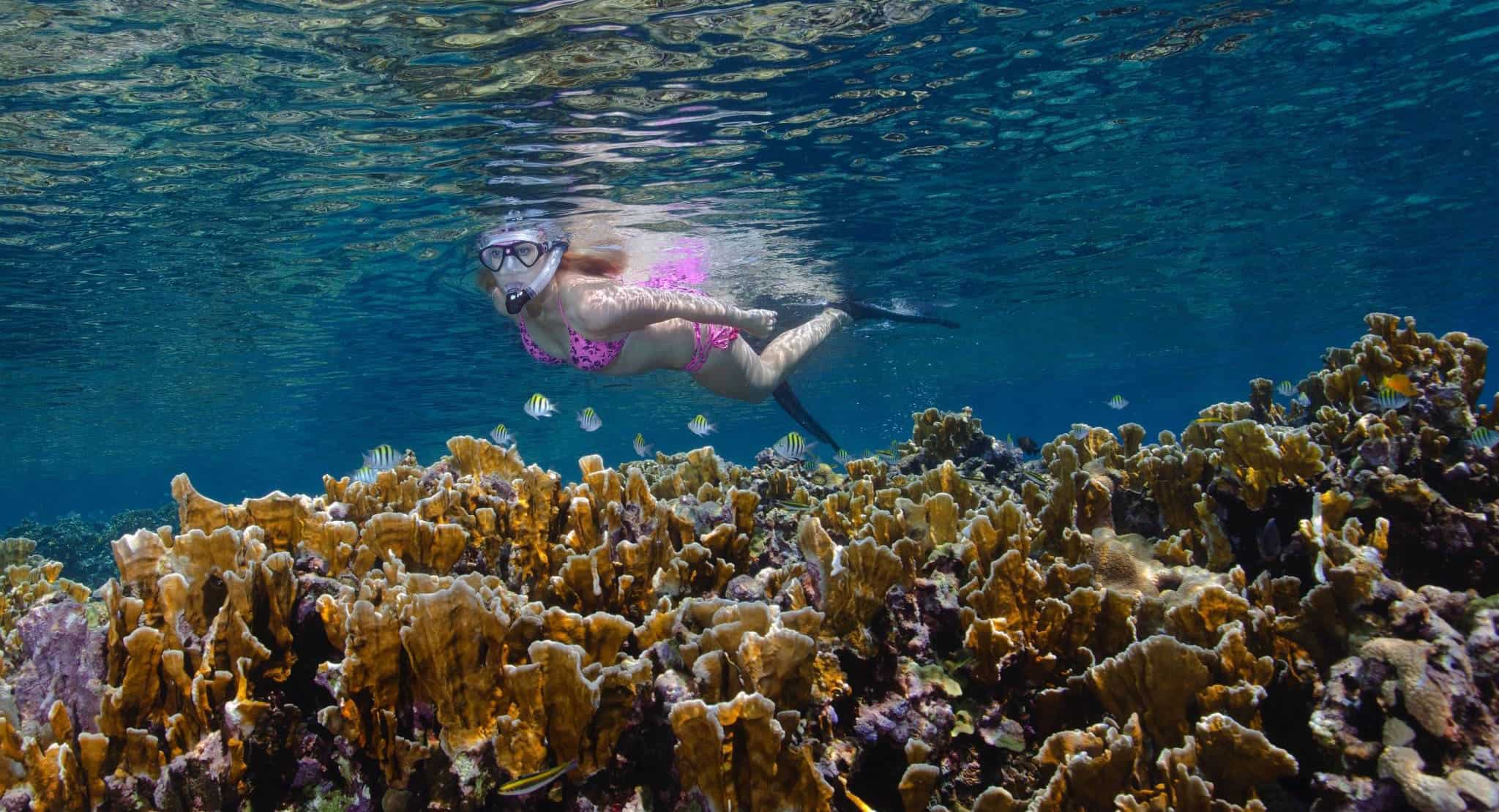
A dense cluster of brain and fan coral heads in shallow water inside Hol Chan's Zone A, popular for wide reef-scape shots with parrotfish and sergeant majors in frame. Position yourself a few meters above the coral crowns to avoid fin contact and get full color in the frame.
A secondary channel edge near the reserve boundary where the wall drops and larger pelagic fish pass through, giving a moody blue-gradient composition popular with underwater photographers doing a Hol Chan Marine Reserve tour. Best shot from mid-water looking toward the wall rather than down at the sand.
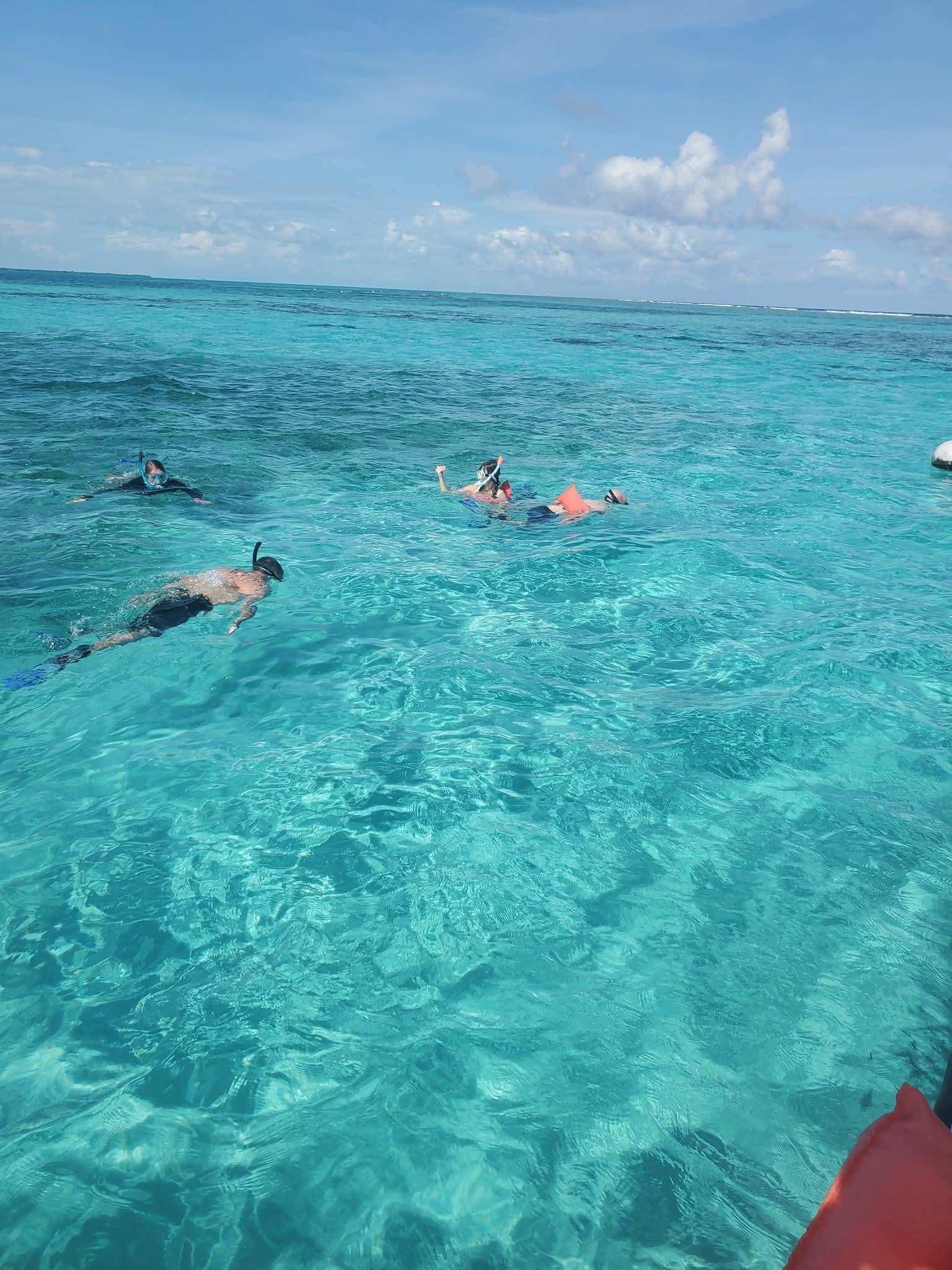
The open boat channel leaving San Pedro where the turquoise shallows meet the darker reef line, a common surface shot for visitors documenting the boat ride out before descending at Hol Chan. Shoot from the boat deck as it slows near the reserve marker buoys.
Families booking belize snorkel tours for cruise ship excursions should expect a short boat ride to Hol Chan Marine Reserve, life jackets for every swimmer, and a guide pace built around group stamina rather than a fixed script. Kids who are confident in open water get the most out of the reef time, while younger ones may tire before the boat heads back.
Not usable on tour boats or dock ramps at Hol Chan; leave strollers on the ship or with a non-snorkeling adult, since San Pedro's boat landings involve steps and narrow gangways.
Most operators expect kids to swim independently and wear a mask comfortably, so children under 6-7 often struggle; strong swimmers age 8 and up adapt fastest to fins and current.
Hol Chan itself has no baby-change room or nursery; boats typically have a small shaded cabin and a marine toilet, so handle diaper changes before boarding.
Shorter trips suit toddlers and cautious swimmers, giving one reef stop and a rest break before energy fades; longer trips work better for older kids who can handle multiple snorkel stops back to back.
Ask staff to size vests for each child before departure, since ill-fitting jackets ride up in current and make young swimmers anxious near the reef wall.
Trips run rain or shine as long as seas stay calm, so pack a dry change of clothes for the ride back rather than expecting a cancellation.
Dining options are concentrated in San Pedro town, providing quick access before or after belize snorkel tours for cruise ship excursions to the reef. Most venues are within walking distance of the primary departure piers, allowing travelers to grab a meal during their limited shore time.
Famous for its sand-floor dining and local seafood specialties, this venue is a classic stop for those booking belize snorkel tours for cruise ship tours. It fills up quickly during the lunch rush, so aim for a table right after your morning boat returns.
Everything you need to know for your journey
Boats require climbing down a ladder or platform to enter the water, so visitors with significant mobility restrictions should confirm boat accessibility directly with their operator before booking.
Spearfishing gear, fishing hooks, coral or shell collection, non-reef-safe sunscreen, and drones without authorization are among the items not allowed inside the reserve.
Yes, underwater cameras and GoPros are common on Belize snorkel tours for cruise ship excursions, though flash photography near marine life should be avoided.
Light, quick-dry clothing over a swimsuit works best, along with reef-safe sunscreen since standard sunscreen is discouraged near the coral.
Eating and drinking are not allowed in the water, though bottled water and light snacks are typically fine on the boat between snorkel stops.
Most operators allow free cancellation or rescheduling up to 24 hours before departure, with refunds returned to the original payment method.
Shark Ray Alley, Caye Caulker, and San Pedro Town are commonly paired with Belize snorkel tours for cruise ship tickets for a fuller day on Ambergris Caye.
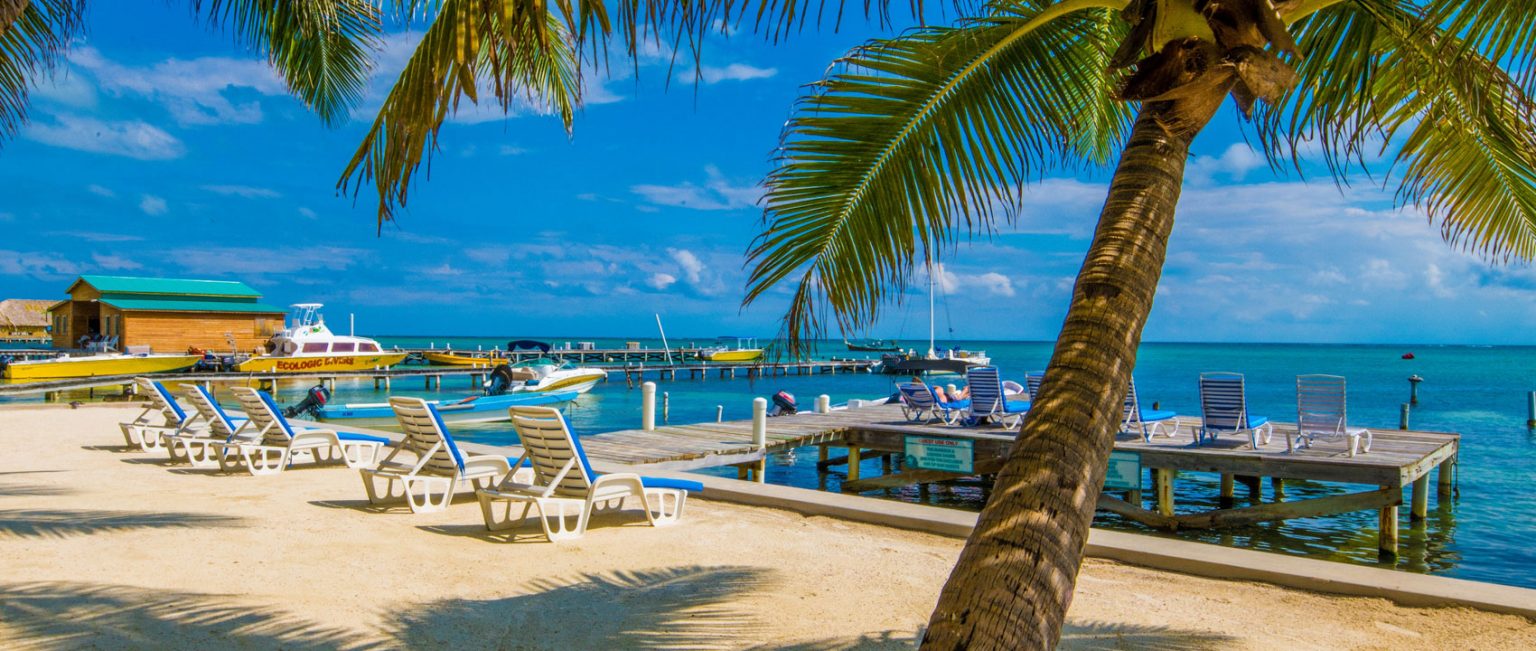
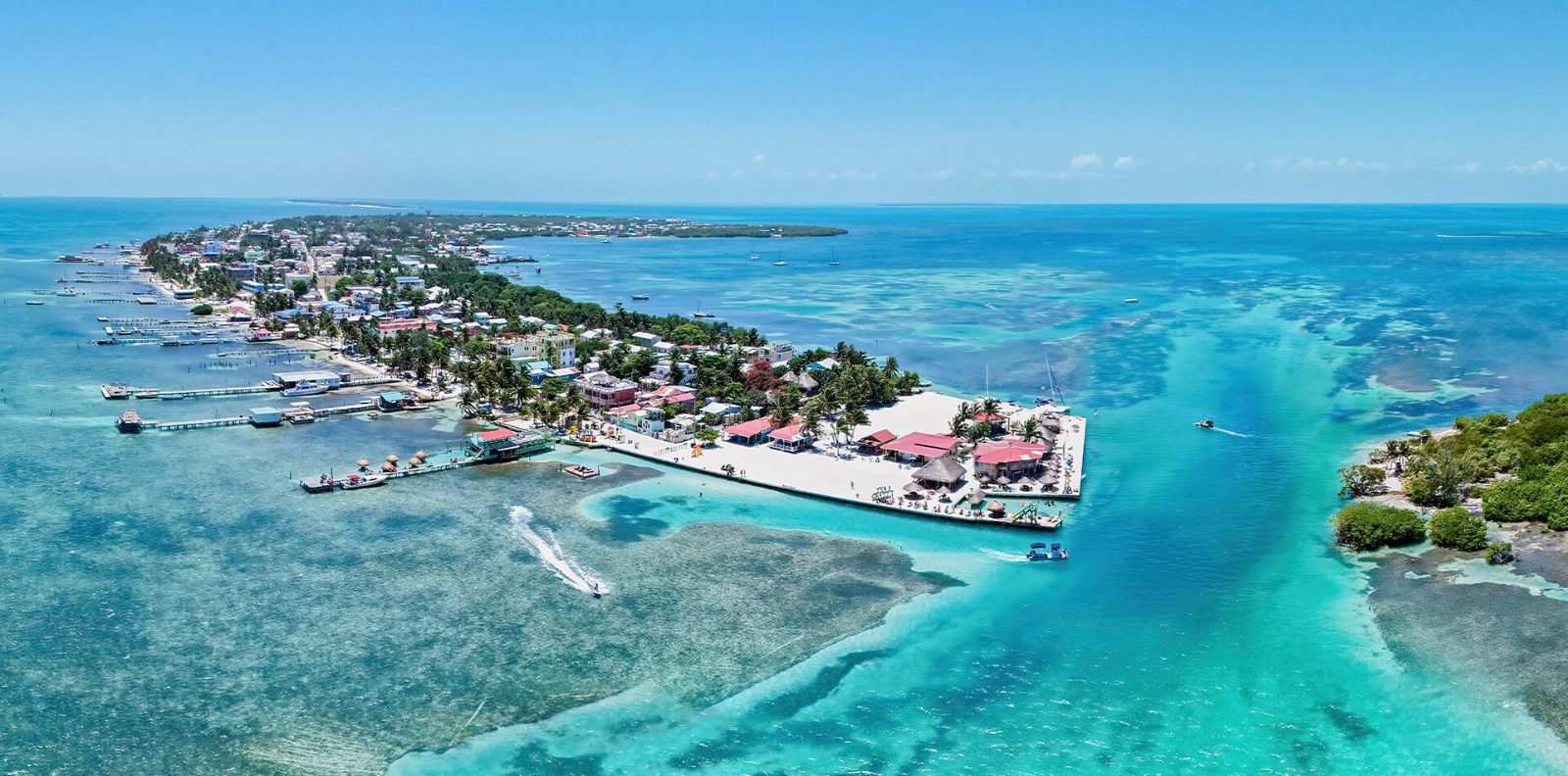
Colorful beach town with waterfront restaurants, golf cart traffic, and Caribbean-style architecture.
Smaller, car-free island known for its laid-back split and shallow swimming areas.
Shallow sandbar area where nurse sharks and stingrays gather, often paired with Hol Chan visits.
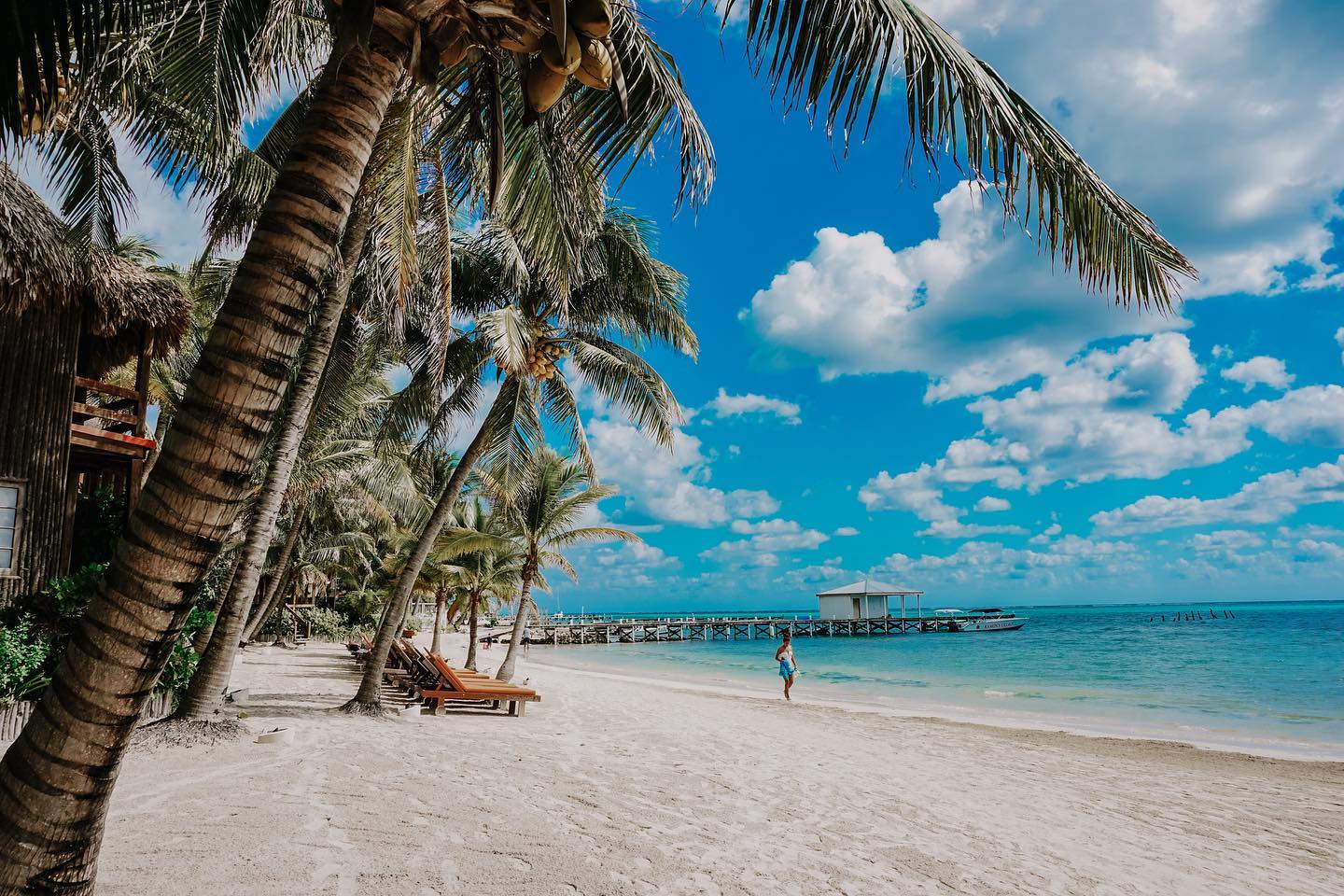
Public stretches of sand along the island's eastern shore near town.
Central area with the highest concentration of dive shops, restaurants, and tour departure docks.
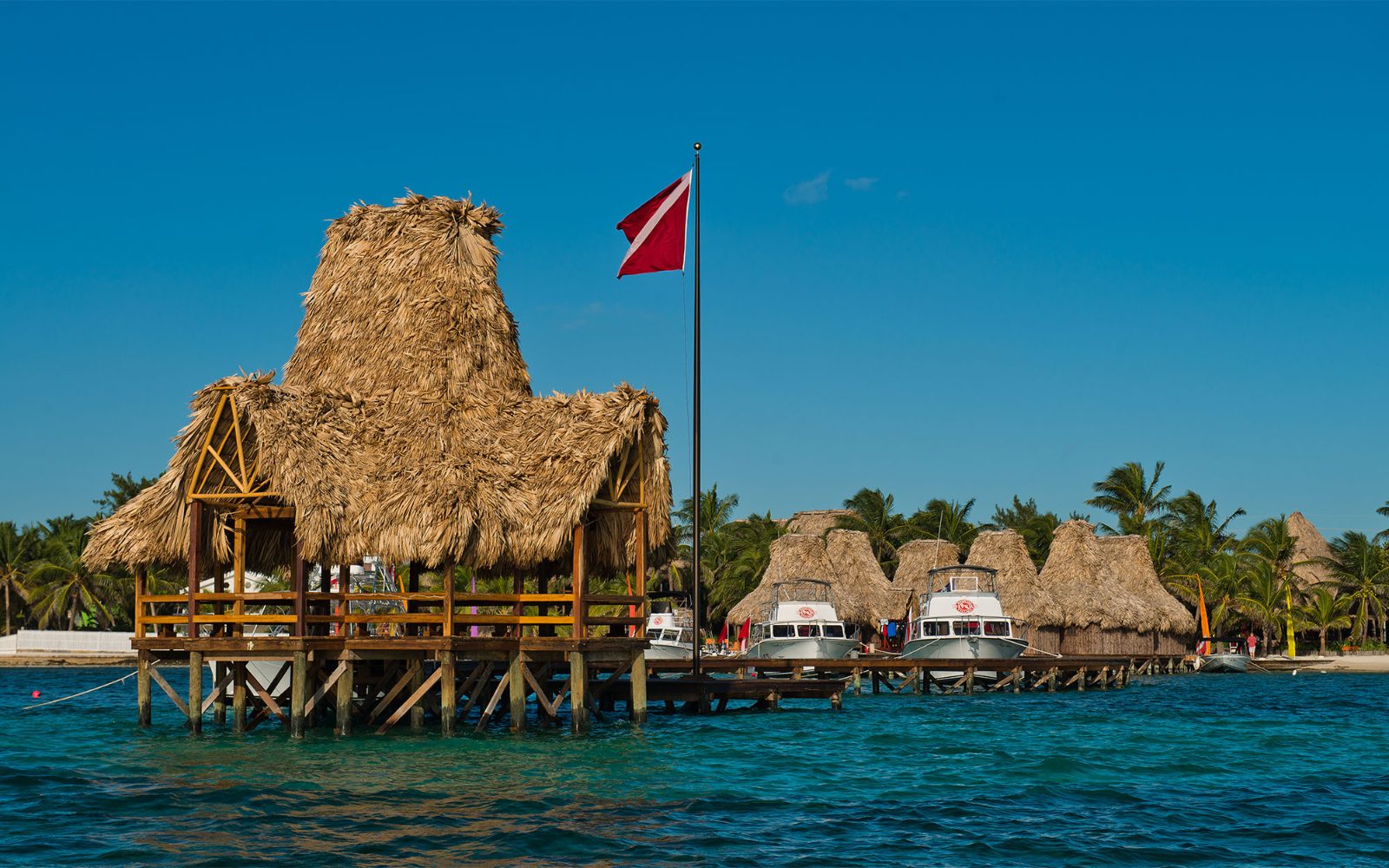
Thatched-roof beachfront cabanas near central San Pedro.
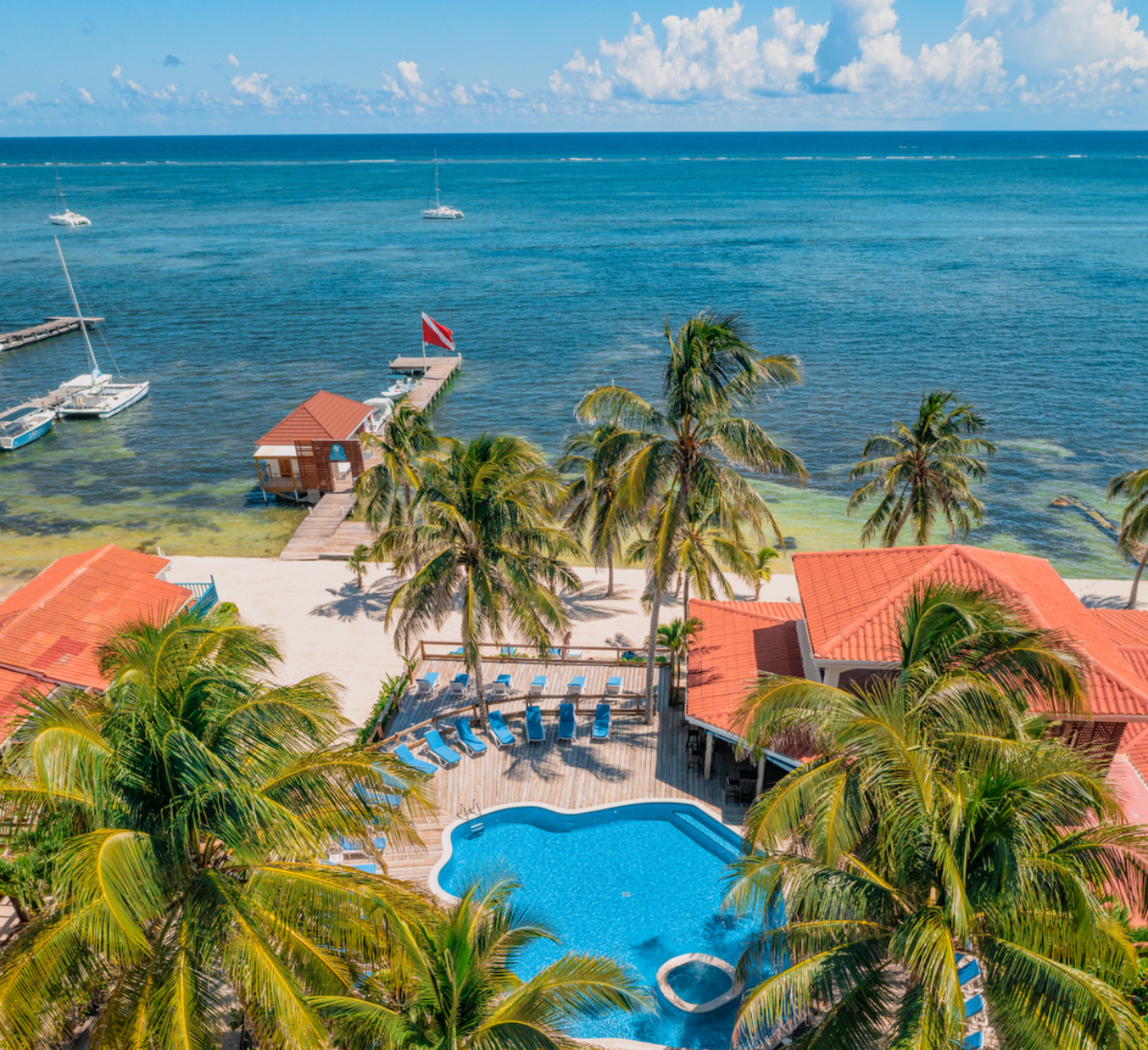
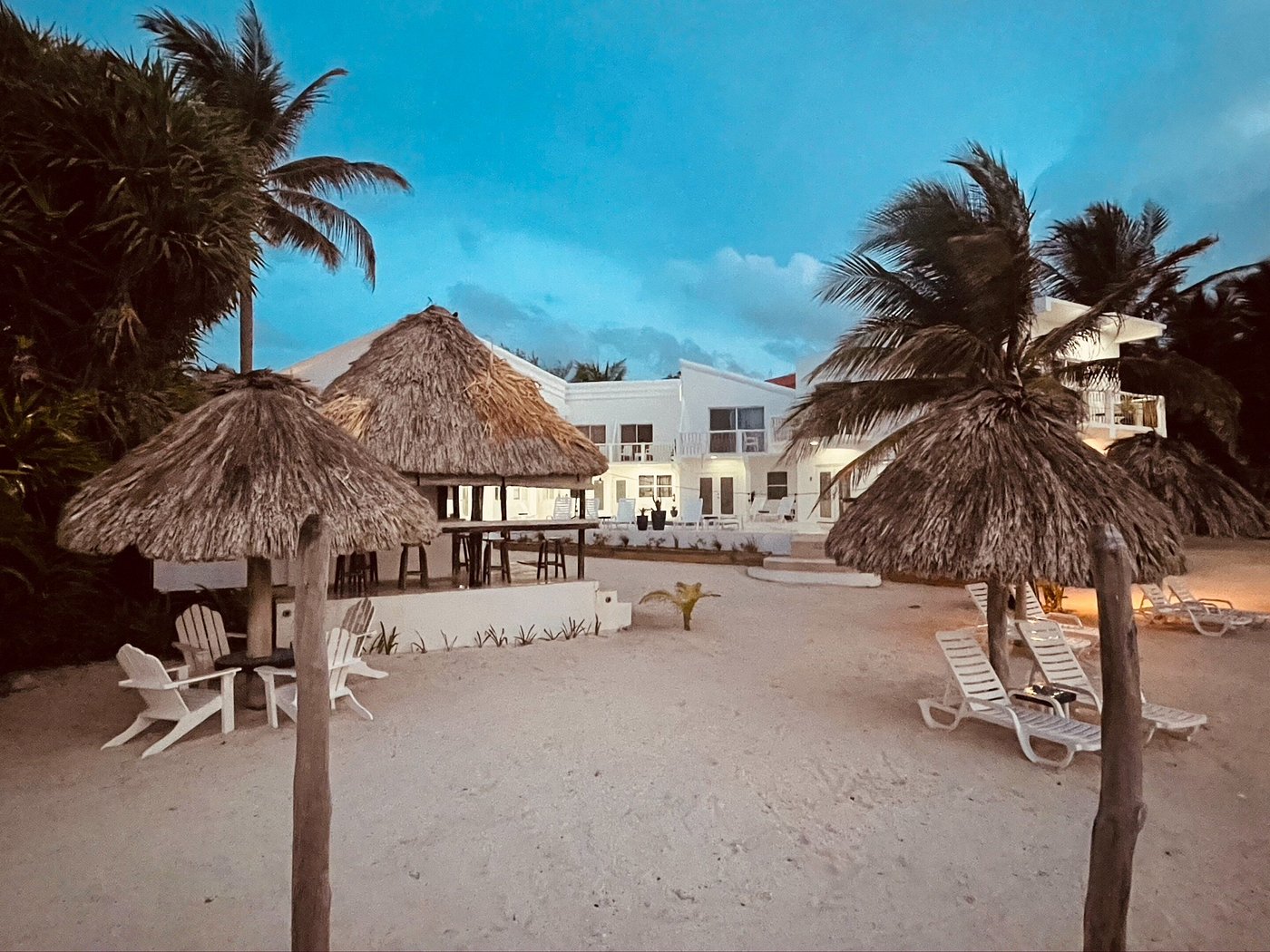
Small beachfront property north of San Pedro town center.
Join thousands of happy travelers who have discovered this incredible experience
Book Your Experience Now